
How to Clean a Foundation Brush
author: Fay Brush
2025-08-02
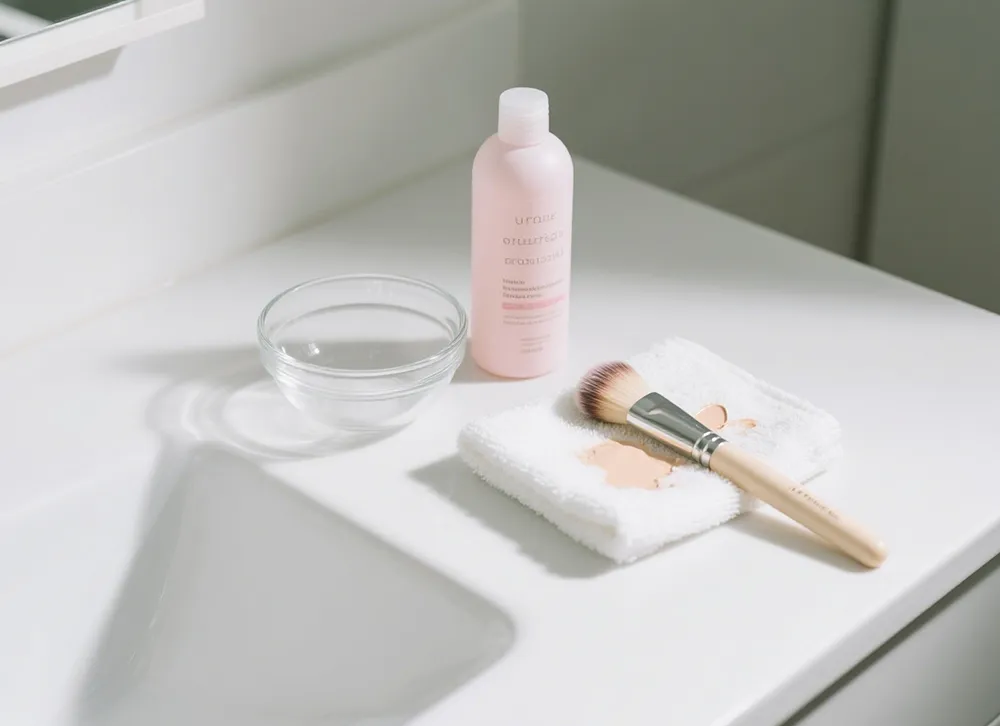
How to Clean a Foundation Brush: A Step-by-Step Guide (With Key Differences from Other Brushes)
If you’re a makeup lover, you know that clean brushes are non-negotiable for flawless application and healthy skin. But when it comes to foundation brushes, the cleaning process isn’t the same as for your eyeshadow or blush brushes. Why? Because foundation—whether liquid, cream, or stick—leaves behind sticky, pigmented residues that cling to bristles differently than powdery products. Let’s break down how to clean a foundation brush properly, why it’s unique, and the mistakes to avoid.
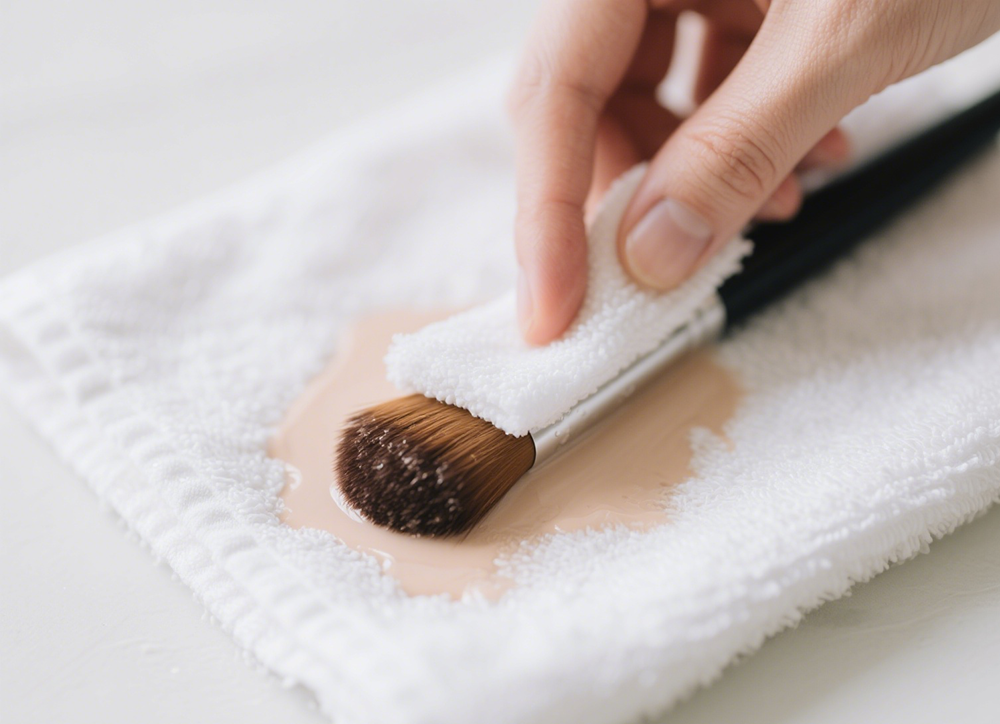
Why Foundation Brushes Need Special Attention
Foundation is designed to adhere to skin, which means its formula (often water-based, oil-based, or silicone-based) bonds tightly to brush bristles. Unlike powder brushes, which can often be spot-cleaned with a dry sponge or quick spray, foundation brushes require deep, thorough cleaning to remove every trace of product. Here’s why:
- Product buildup traps bacteria: Leftover foundation creates a moist environment where bacteria thrive, leading to breakouts or skin irritation.
- Residue ruins application: Dried foundation makes bristles stiff, preventing smooth, even coverage.
- Longevity depends on care: Foundation’s heavy formula can degrade bristles over time if not fully removed, shortening your brush’s lifespan.
Step-by-Step: How to Clean a Foundation Brush
1. Gather Your Supplies
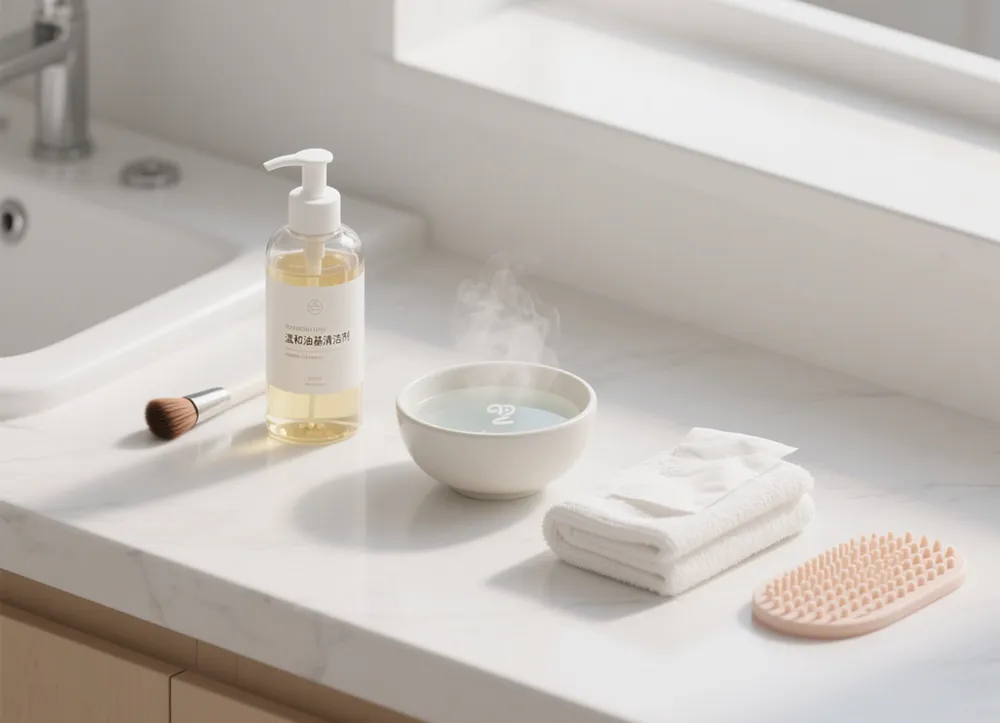
You’ll need:
- A gentle, oil-based or sulfate-free brush cleanser (regular soap can dry out natural bristles).
- A shallow bowl or sink with lukewarm water (avoid hot water—it damages bristles).
- A clean towel or paper towels.
- Optional: A brush cleaning mat (to dislodge stubborn residue in bristle roots).
2. Pre-Rinse the Brush
Hold the brush under lukewarm running water, bristles facing downward. Never submerge the ferrule (the metal part connecting bristles to the handle) in water—this can loosen the glue holding bristles in place. Let water flow through the bristles to rinse off surface foundation.
3. Lather with Cleanser
Apply a small amount of cleanser to the palm of your hand. Swirl the brush bristles in the cleanser, using gentle circular motions. Focus on the bristle tips and the base (where most residue hides). If using a cleaning mat, press the brush into the textured surface and swirl to break up tough buildup.
4. Rinse Until Water Runs Clear
Hold the brush under lukewarm water again, bristles down, and rinse until no more product comes out. This may take a few rinses—don’t rush! Residue left behind will harden as the brush dries, making your next cleaning harder.
5. Reshape and Dry
Gently squeeze excess water from the bristles (avoid twisting, which can damage them). Reshape the brush to its original form with your fingers. Lay the brush flat on a clean towel, or hang it upside down (bristles pointing down) to dry. Never dry a brush upright—water can seep into the ferrule and loosen the glue, causing bristles to fall out.
Key Differences: Foundation Brushes vs. Other Brushes
- Frequency: Clean foundation brushes after every use (or at least 2-3 times a week) to prevent bacteria buildup. Powder brushes (like blush or eyeshadow brushes) can be cleaned once a week.
- Cleanser type: Powder brushes can often use mild soap or dry cleansers, but foundation brushes need oil-based or dedicated brush cleansers to dissolve creamy formulas.
- Rinsing time: Foundation residue takes longer to rinse out than powder—don’t stop until the water is completely clear.
- Drying position: All brushes should dry with bristles down, but this is critical for foundation brushes, as their frequent use means more water exposure.
Common Mistakes to Avoid
- Using hot water: It weakens bristles and strips natural oils (important for natural hair brushes).
- Skipping deep cleaning: Spot-cleaning with a spray is okay for touch-ups, but foundation brushes need a full wash to remove all residue.
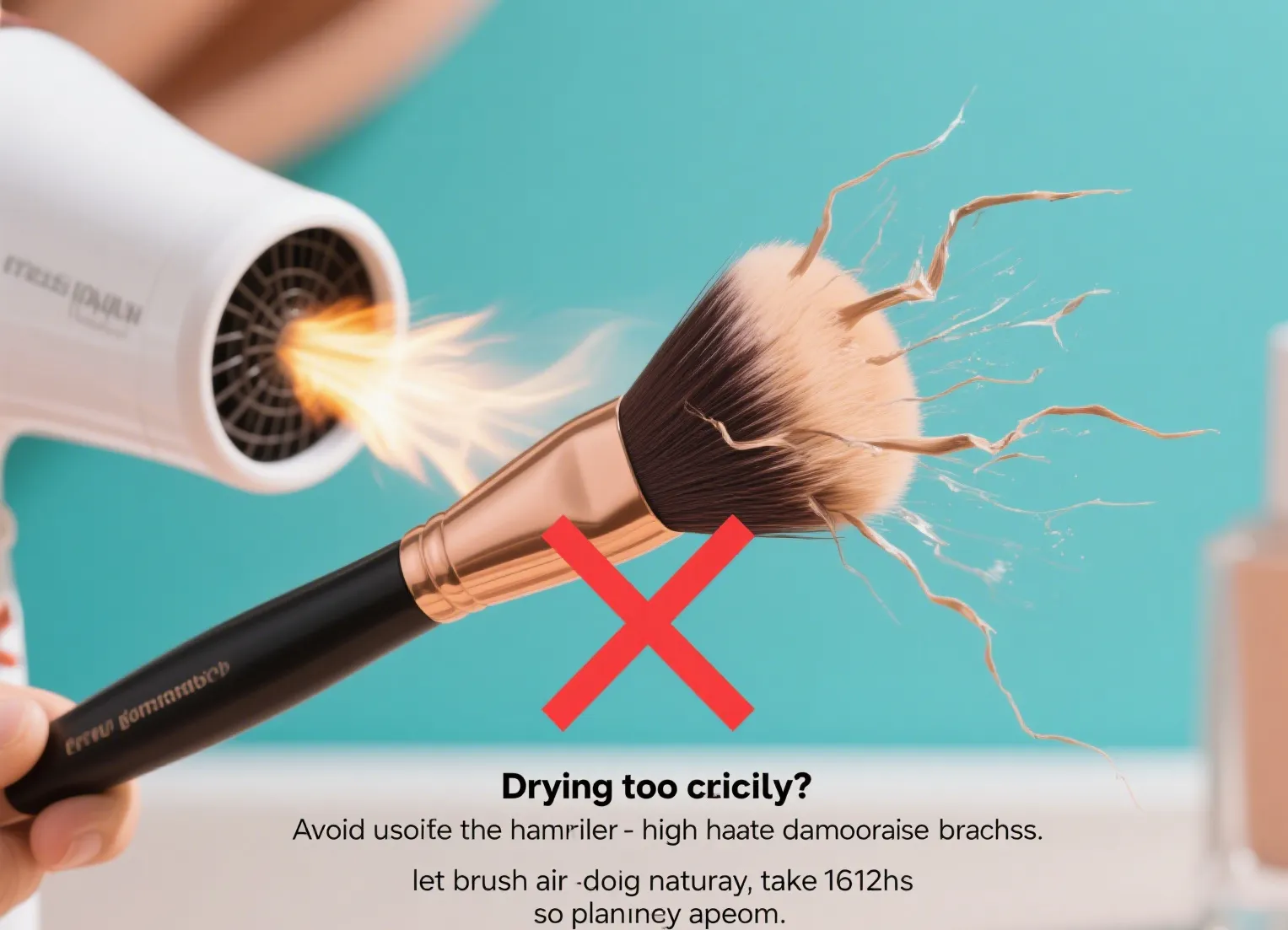
- Drying too quickly: Avoid using a hair dryer—high heat damages bristles. Let the brush air-dry naturally (this can take 6-12 hours, so plan ahead!).
Final Thoughts
A clean foundation brush is the secret to smooth, even makeup application and healthy skin. By following these steps—and remembering the key differences from other brushes—you’ll keep your brush in top shape for longer, ensuring flawless results every time.
Blush Brushes for Liquid and Cream Products
The Types of Retractable Makeup Brushes
Related Article
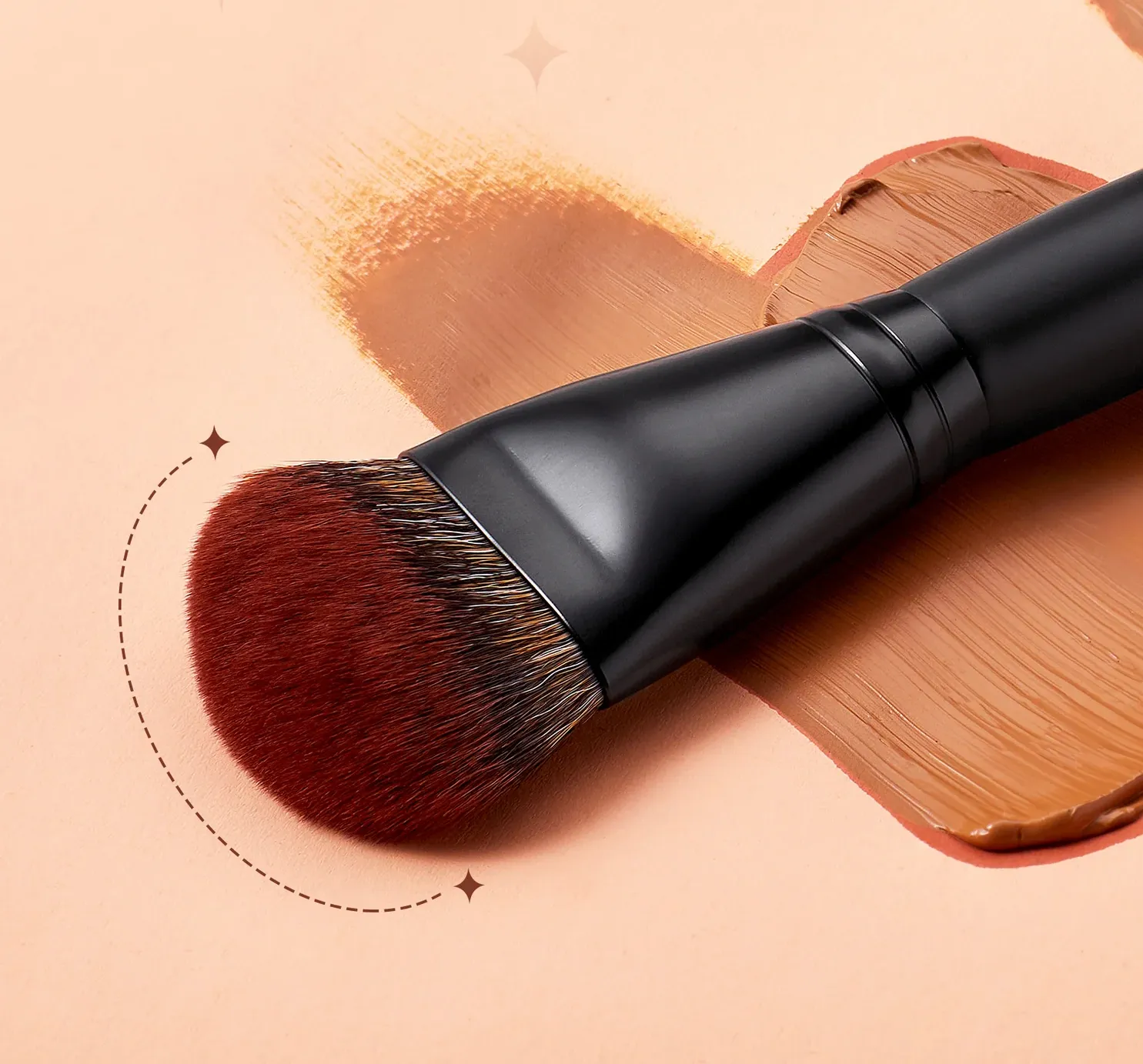
Complete OEM sourcing guide for foundation brushes. Stable annual output over 1,000,000 pcs, strict control on production craftsmanship, adhesive glue and performance testing for beauty brands worldwide.
Foundation Brush OEM Guide | Private Label Foundation Brush Manufacturer
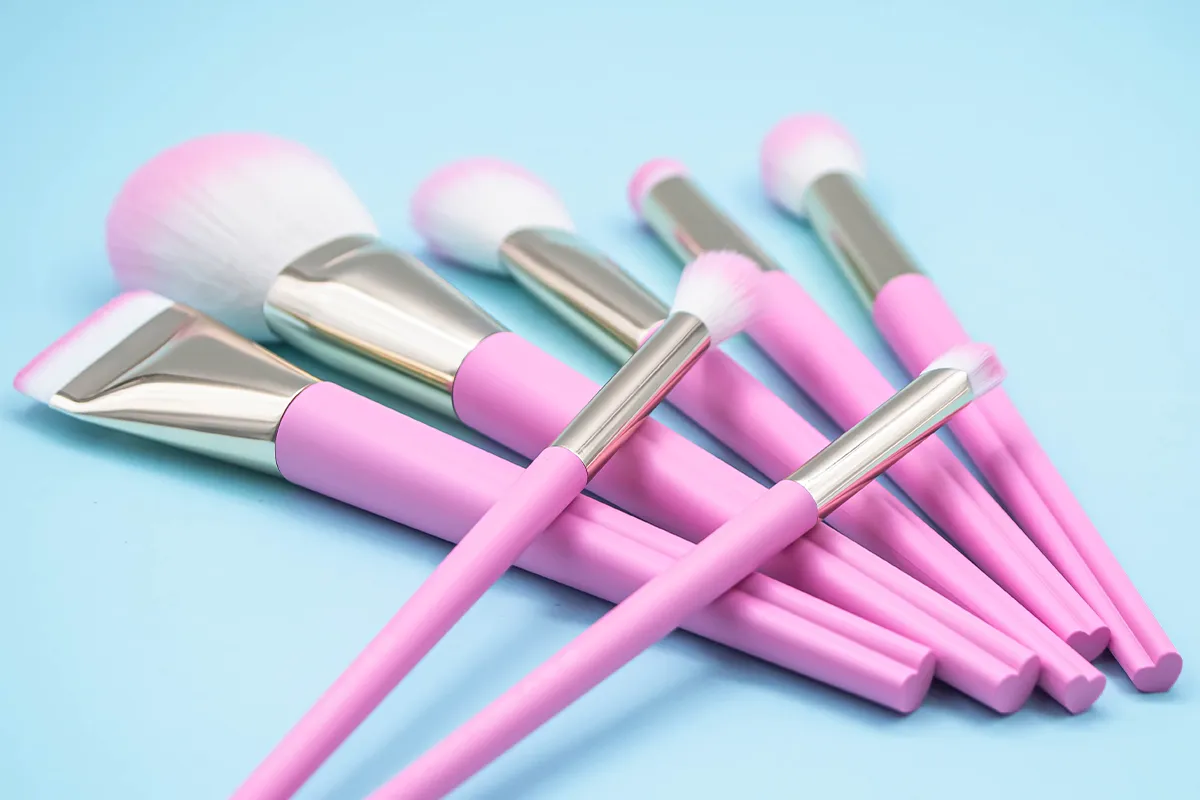
One factory, one quality system, one compliance pack. How makeup brushes, hair brushes, makeup bags, lash tools and mirrors work together in a 2026 B2B program.
The One-Stop Beauty Tools Sourcing Guide

CONTACT US

+86 769 81900169

sales@faybrush.com

#172 Huancun Rd, Jinxiaotang Zhutang, Fenggang, Dongguan, 523681 China