
How to Disinfect Makeup Brushes
author: Fay Brush
2025-05-29
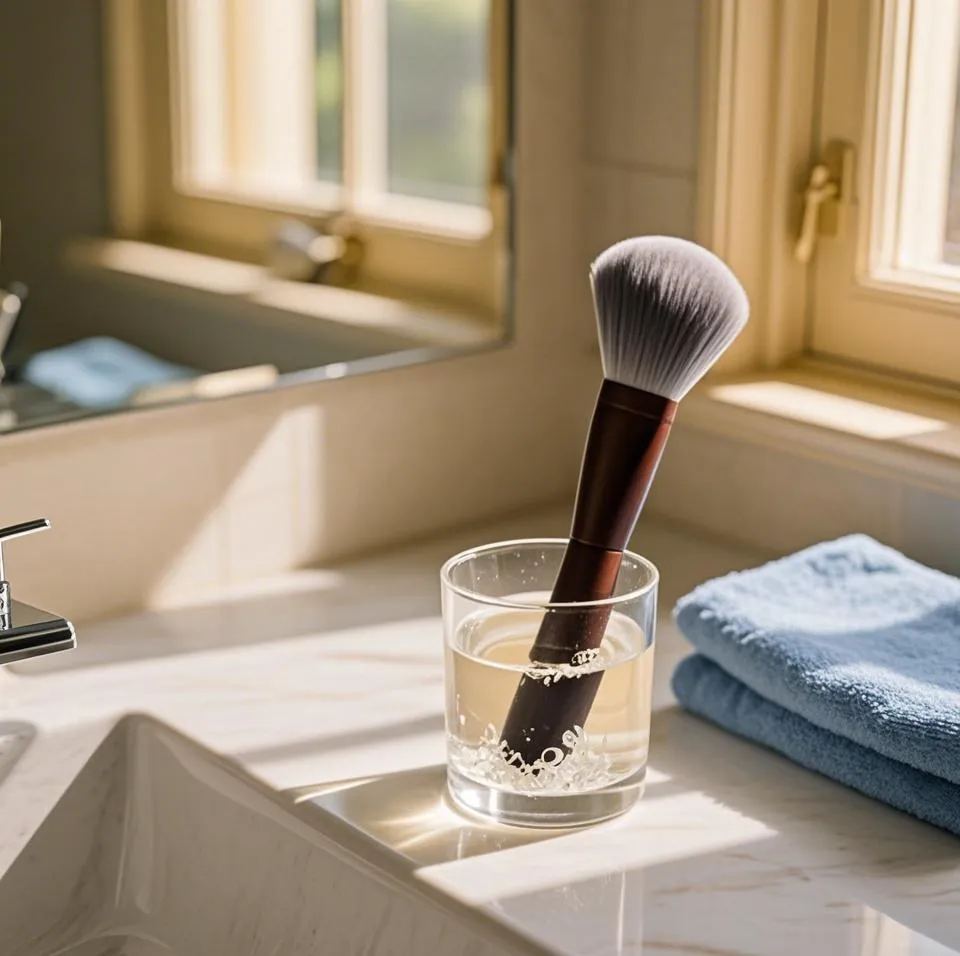
How to Disinfect Makeup Brushes: A Step-by-Step Guide
Dirty brushes can harbor bacteria, leading to breakouts, irritations, and a less-than-perfect makeup finish. In this blog post, we'll walk you through the essential steps to disinfect makeup brushes effectively, ensuring they're safe and ready for use.
Why Disinfect Your Makeup Brushes?
Before diving into the process, let's understand why disinfecting makeup brushes is so important. Makeup brushes come into contact with your skin, makeup products, and the environment. Over time, they accumulate dead skin cells, oil, dirt, and bacteria. Using contaminated brushes can transfer these unwanted substances back onto your skin, causing various skin issues. Regular disinfection not only extends the lifespan of your brushes but also protects your skin health.
Preparing for Disinfection
Gather Your Supplies
To start the disinfection process, you'll need a few key items:
- Mild shampoo or brush cleaner: Choose a gentle formula that won't damage the bristles.
- Warm water: Lukewarm water is ideal for effectively cleaning without harming the brushes.
- Towel: A clean, soft towel for drying the brushes.
- Container: A cup or bowl to hold the cleaning solution.
Sort Your Brushes
Group your brushes by type and size. This helps ensure that each brush gets the appropriate cleaning attention. For example, powder brushes may require a different cleaning approach compared to eyeshadow brushes.
Step-by-Step Disinfection Process
Step 1: Remove Excess Makeup
Before deep cleaning, gently tap the brushes against a tissue or the palm of your hand to remove any loose makeup. You can also swirl them on a clean towel to get rid of additional product buildup.
Step 2: Create the Cleaning Solution
Fill your container with warm water and add a small amount of mild shampoo or brush cleaner. Stir the mixture gently to create a soapy solution. Avoid using hot water, as it can damage the bristles and loosen the glue holding the brush together.
Step 3: Clean the Brushes
Dip the bristles of each brush into the cleaning solution, being careful not to get the handle wet, as moisture can cause it to crack or deform over time. Swirl the brushes gently in the solution, focusing on the base of the bristles where most of the dirt and oil accumulate. Then, run the bristles under lukewarm running water to rinse out the soap and makeup residue. Repeat this process until the water runs clear.
Step 4: Disinfect
To disinfect the brushes, you can use isopropyl alcohol (at least 70% concentration). Pour a small amount of alcohol into a clean container and dip the bristles of the brushes into it. Swirl the brushes briefly, then rinse them thoroughly with water. The alcohol will kill bacteria and germs on the bristles.
Step 5: Dry the Brushes
Gently squeeze out any excess water from the brushes using the towel, being careful not to pull or tug on the bristles. Then, reshape the bristles to their original form and lay the brushes flat on a clean towel. Make sure the bristles hang over the edge of the towel so that water doesn't pool in the handle. Air-dry the brushes completely in a well-ventilated area, away from direct sunlight or heat sources. This may take several hours or overnight, depending on the brush size and thickness.
Tips for Maintaining Clean Brushes
- Clean your brushes regularly: Aim to clean your brushes at least once a week. If you use them frequently or have sensitive skin, consider cleaning them more often.
- Spot clean between uses: For a quick touch-up, use a brush cleansing spray to remove surface makeup and bacteria between full cleanings.
- Store your brushes properly: Keep your brushes in a clean, dry place, preferably in a brush holder or container to protect them from dust and dirt.
By following these steps and tips, you can keep your makeup brushes clean, disinfected, and in top condition, ensuring a flawless makeup application and healthy skin.
How to Clean a Foundation Makeup Brush?
What Are the Best Eye Makeup Brushes?
Related Article
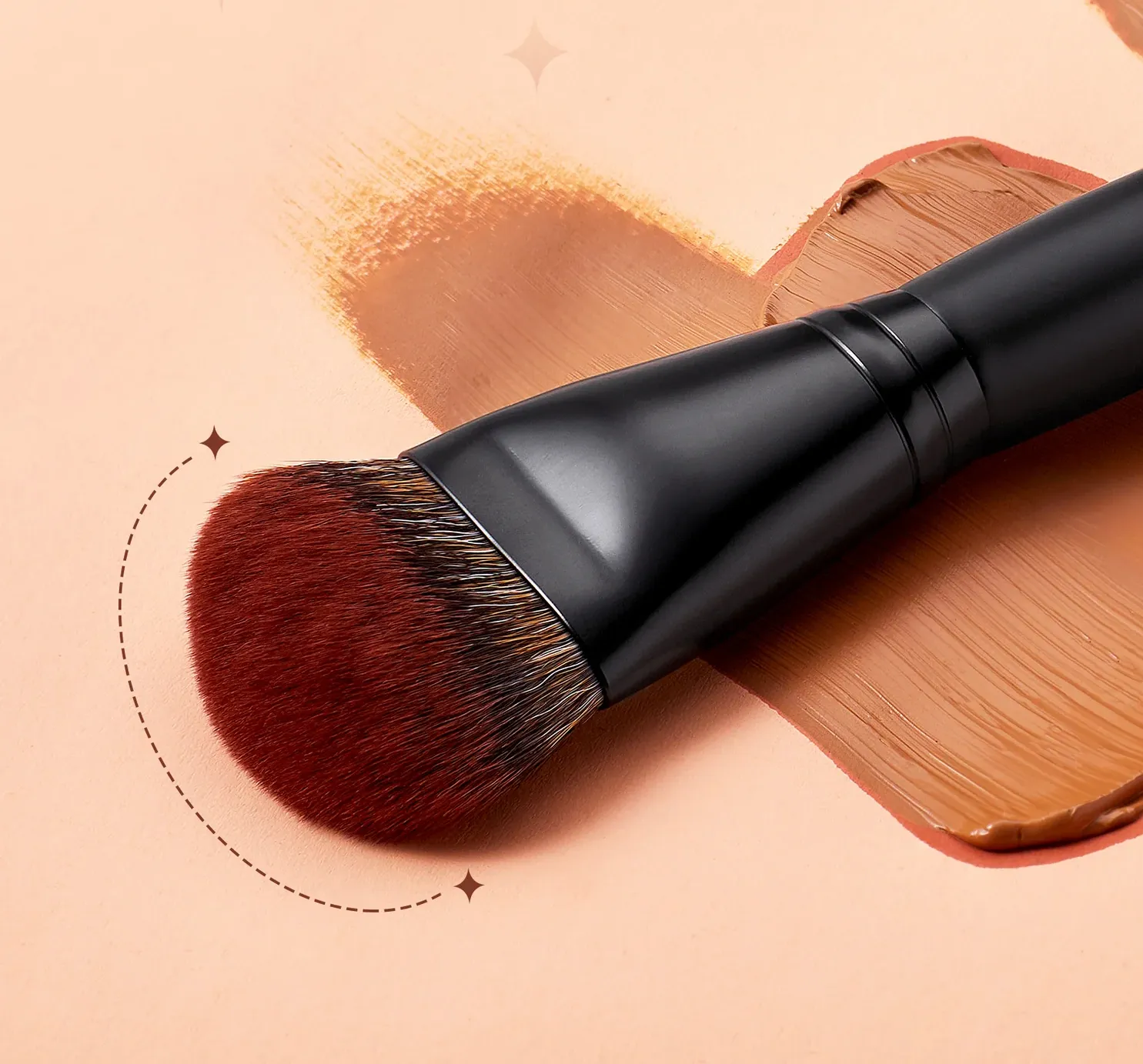
Complete OEM sourcing guide for foundation brushes. Stable annual output over 1,000,000 pcs, strict control on production craftsmanship, adhesive glue and performance testing for beauty brands worldwide.
Foundation Brush OEM Guide | Private Label Foundation Brush Manufacturer
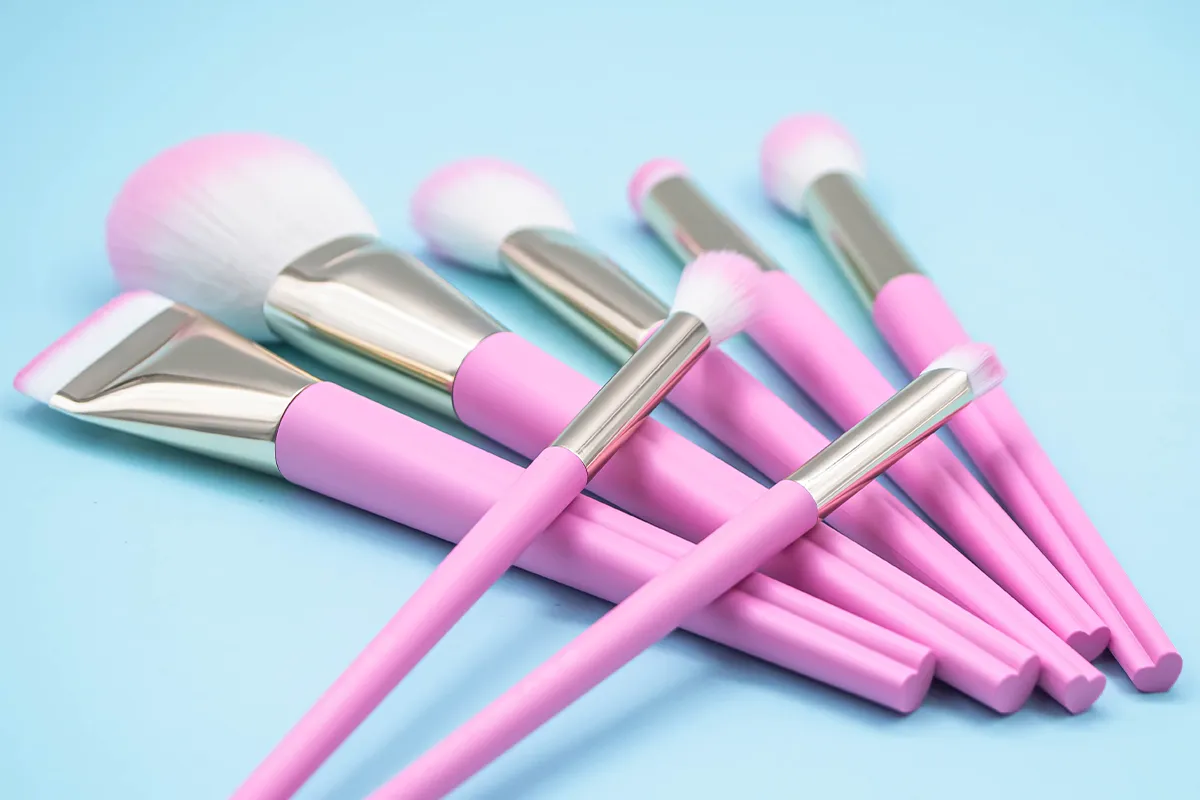
One factory, one quality system, one compliance pack. How makeup brushes, hair brushes, makeup bags, lash tools and mirrors work together in a 2026 B2B program.
The One-Stop Beauty Tools Sourcing Guide

CONTACT US

+86 769 81900169

sales@faybrush.com

#172 Huancun Rd, Jinxiaotang Zhutang, Fenggang, Dongguan, 523681 China