
How Makeup Brushes Are Made and Production Process
How Makeup Brushes are Made ande Productin Process
In this guide, we’ll give you a new perspective by exploring the materials needed to make makeup brushes, the steps in the production process, and a one-stop makeup brush manufacturer for all your custom makeup brush needs.
Part 1: The components and materials of makeup brush
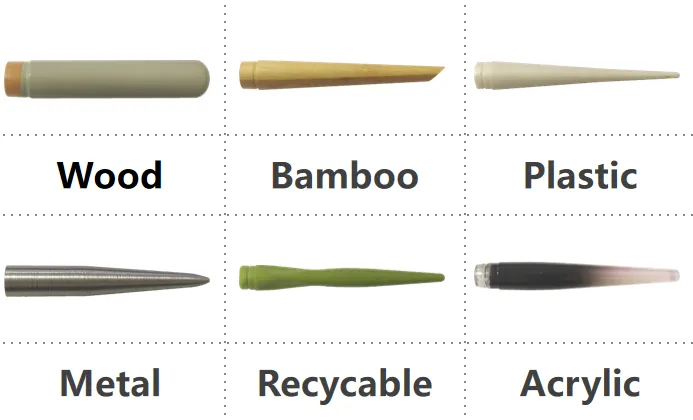
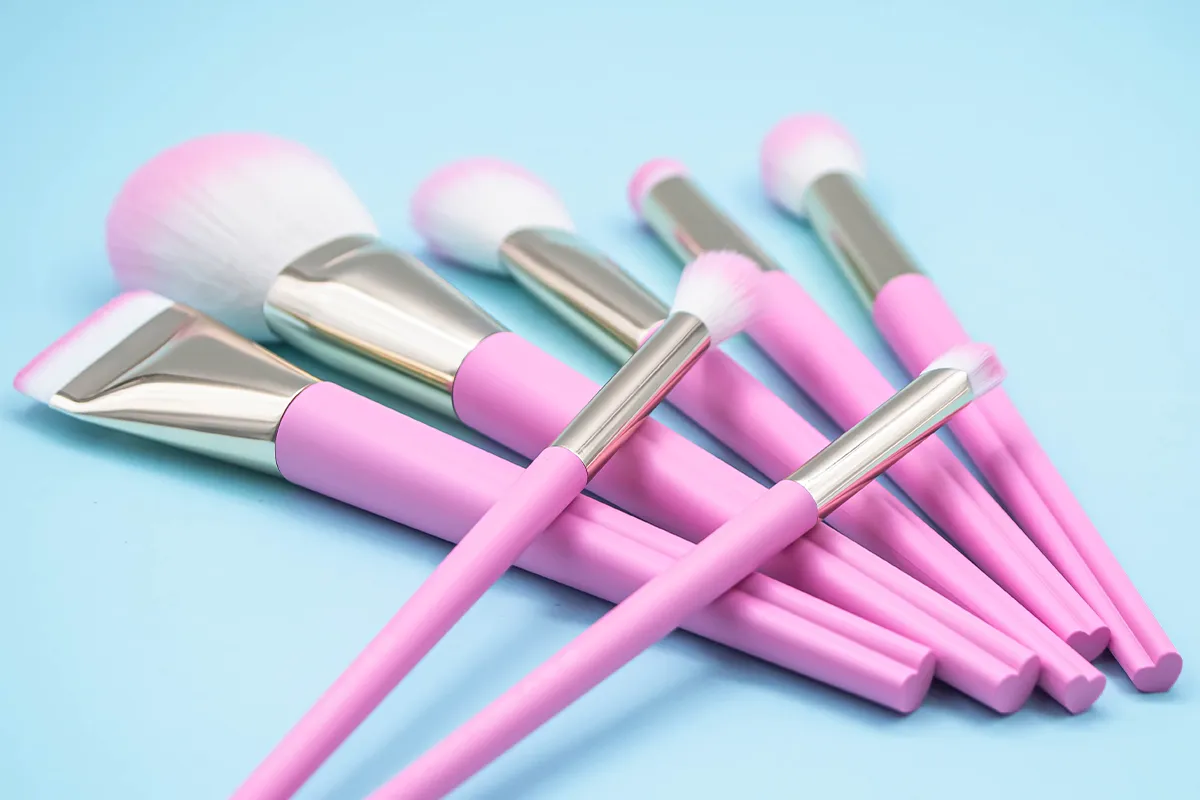
Makeup brushes usually consist of four components: handle, ferrule, bristles and logo (KABUKI brush only requires handle and bristles). Brush handles are usually made of wood, bamboo, plastic or metal. This part is mainly used to hold the brush. There are many different shapes of handles on the market, some of which are designed to provide a better grip.
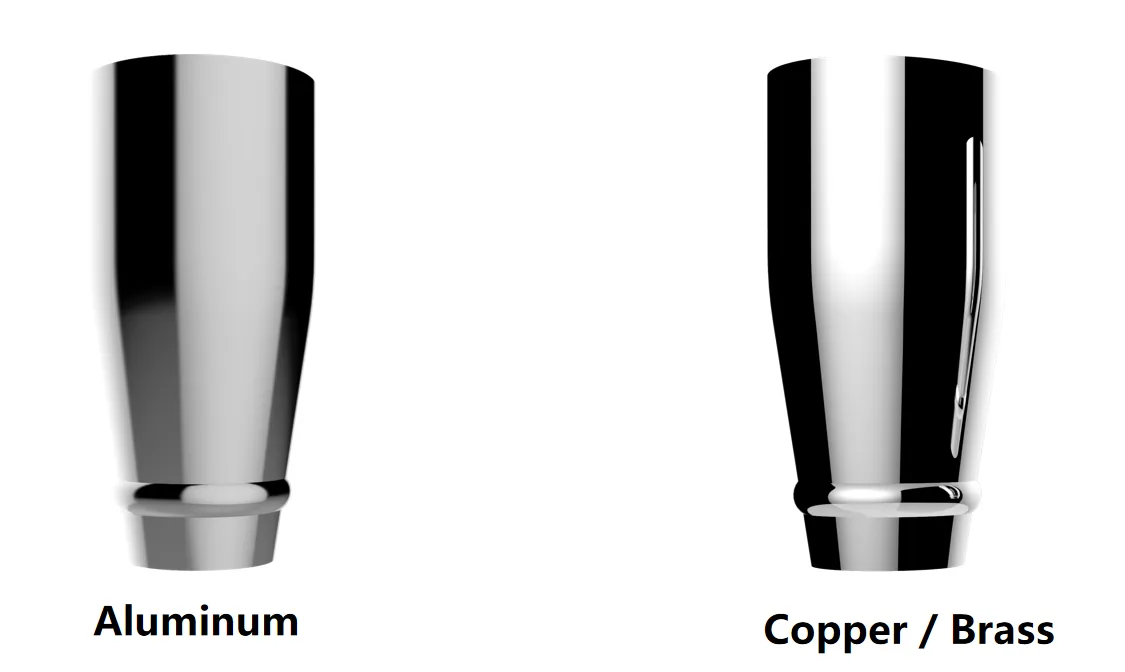
Brush ferrules are usually made of aluminum or copper. The top part is used to connect the bristles, and the bottom part is used to connect the brush handle. The diameter of aluminum ferrules below 10mm are stamped from aluminum strips, and ferrules above 10mm are stamped from aluminum granules. Rings can also be added to the surface of the ferrule, with single, double and multi-ring options available.
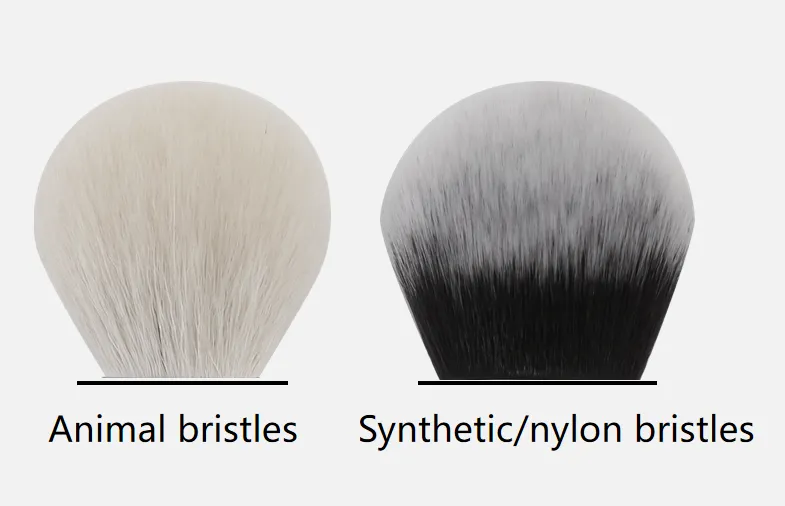
Brush bristles are made of natural animal or synthetic. Animal bristle includes goat hair, pony hair, squirrel hair and sable hair. Synthetic bristle is divided into straight fiber and curved fiber, and curved fiber includes low-wave curved fiber and high-wave curved fiber. The diameter of the fiber including 0.05mm, 0.06mm, 0.075mm and 0.1mm. The finer the diameter, the softer the bristle. Synthetic bristles have matte and glossy finishes. With the increase in people's awareness of environmental protection, degradable bristle has now been developed.
Finally, your private logo. It includes three processes: silk screening, hot stamping and laser, the costs are different. Silk screening is the most common, hot stamping is more textured, and laser lasts longer.
Part 2: Production Process of makeup brush
Makeup brushes look simple, but the production process involves more than 20 steps. Below are the main processes, mainly from the two parts of semi-finished products and finished products.
Semi-finished products process
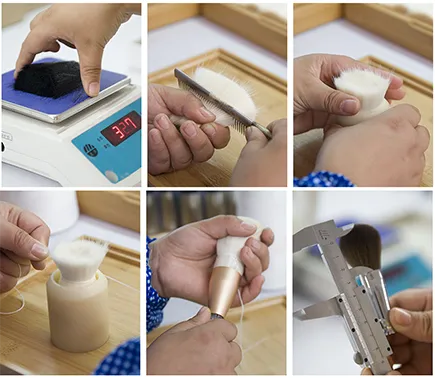
1. Choose bristles length. Different types of brushes require different lengths of bristles.
2. Weighing Bristles. According to the approved sample, the bristles are separated by equal weight so that each bristle head is produced in close proximity.
3. Combing bristles and forming. Put the divided bristles into the cup and tap the cup on the table to form it better. The bottom of the cup varies depending on the brush shape.
4. Inserting. Insert the formed bristles into the brush tube. The process must be done by skillful worker, otherwise it will be deformed.
5. Measuring and repairing. After the bristles are inserted into the brush tube, adjust the length and shape of the bristles until they are the same as the sample.
6. Pressing ferrule and injecting glue. If the brush head is flat, the top of ferrule need to press and then inject glue into ferrule so that the bristles and ferrule are firmly combined. Ana-phase treatment of brush head (the difference between high-end and low-end makeup brushes)
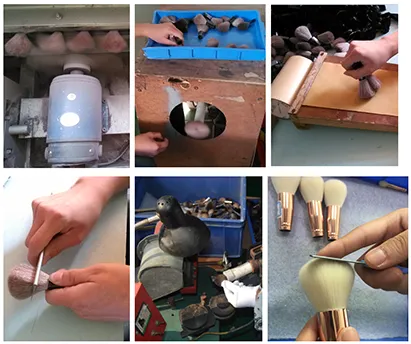
1. Combing and patting bristles. Mainly for brushes made with animal bristles.
2. Plucking bristles. Pull out a few out-of-order bristles.
3. Shaving bristles. Trim off a few of the longer bristle tips.
4. Washing and forming hair shape. Mainly for brushes made with animal bristles.
Other processes
1. Cutting the top of handle. Cut the top of handle with a cross to allow the glue to connect the handle with the ferrule more firmly.
2. Printing logo. The efficiency of silk screening is faster, while the efficiency of hot stamping is slower.
3. Protecting ferrule. Cover the surface of the ferrule with a thin film to avoid scratches during production.
Finished product production process
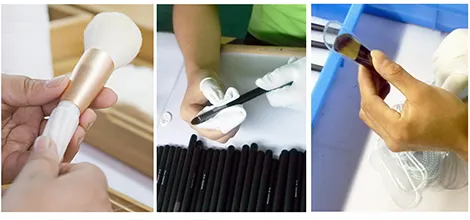
1. Pressing handle. The top of the wooden handle may become a little larger after it's painted, so the top need to press.
2. Scraping and pressing ferrule. After the brush head is made, the bottom of the ferrule may be deformed. Return the bottom of ferrule to a round shape so that it can be better assembled with the brush handle.
3. Assemble. Use glue to assemble the brush head and brush handle. When assembling the flat brush, make sure brush head and logo are on the same level.
4. Cleaning. Clean the dust or glue on the surface of assembled brush.
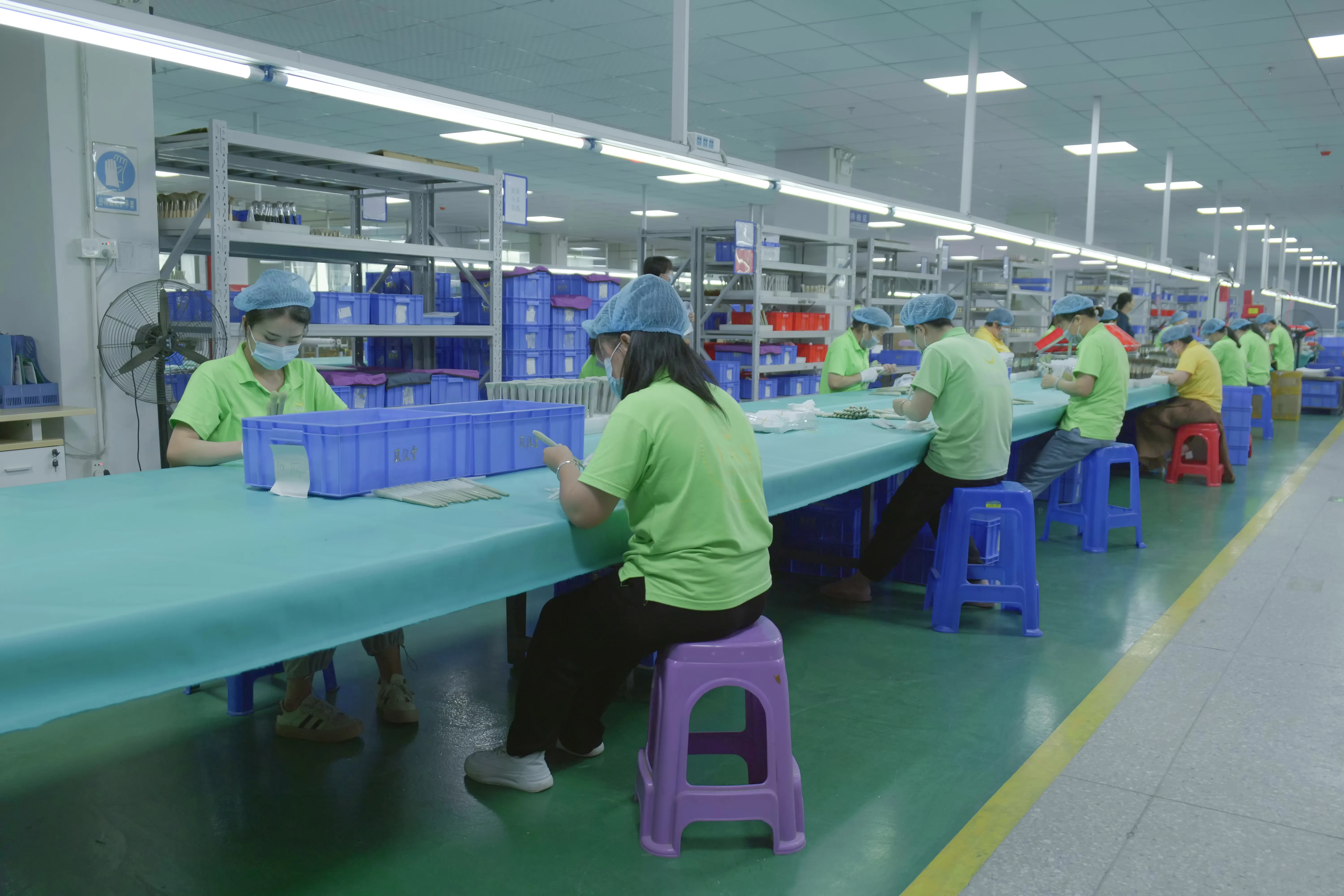
5. Packaging. Each brush pack with individual poly bag. The brush head of large brushes need to cover with net guard.
Part 3: Custom Private Label Makeup Brushes?
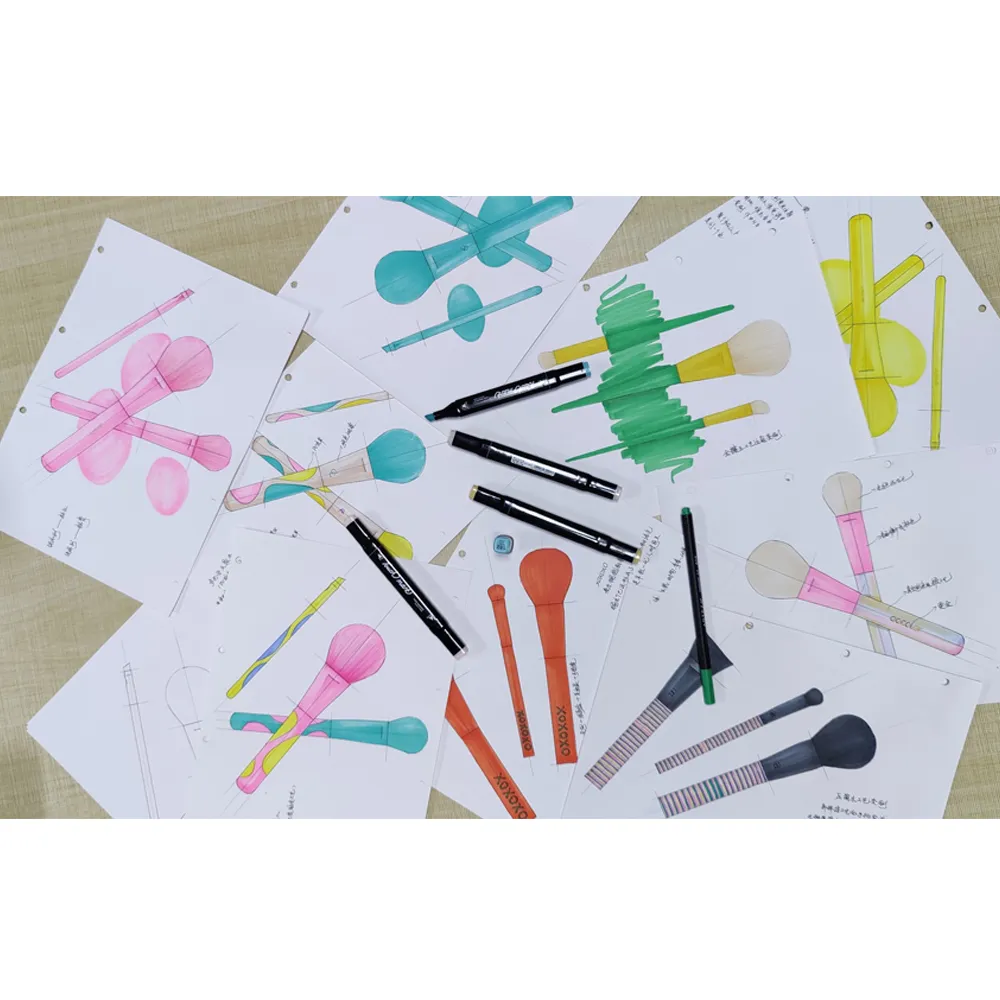
If you’re interested in creating your own custom makeup brushes but don’t have the time or resources to do so. Fay, a supplier who offer one-stop customization service, is your best partner to custom brushes. We offer a wide range of customization options for makeup brushes of all shapes and sizes. We have various options for you to select the handle, ferrule, bristle material, length and color of your brush, and our expert team will help you make your idea to reality. The quality is our business, we are working with many famous beauty brands and retailers worldwide, looking forward to supplying high quality makeup brushes for you!
Why Are Makeup Brushes So Expensive?
What Is A Kabuki Brush and How to Use
Related Article

CONTACT US

+86 769 81900169

sales@faybrush.com

#172 Huancun Rd, Jinxiaotang Zhutang, Fenggang, Dongguan, 523681 China