What Are Makeup Brushes Made Of?
author: Fay Brush
2025-06-05
What Are Makeup Brushes Made Of?
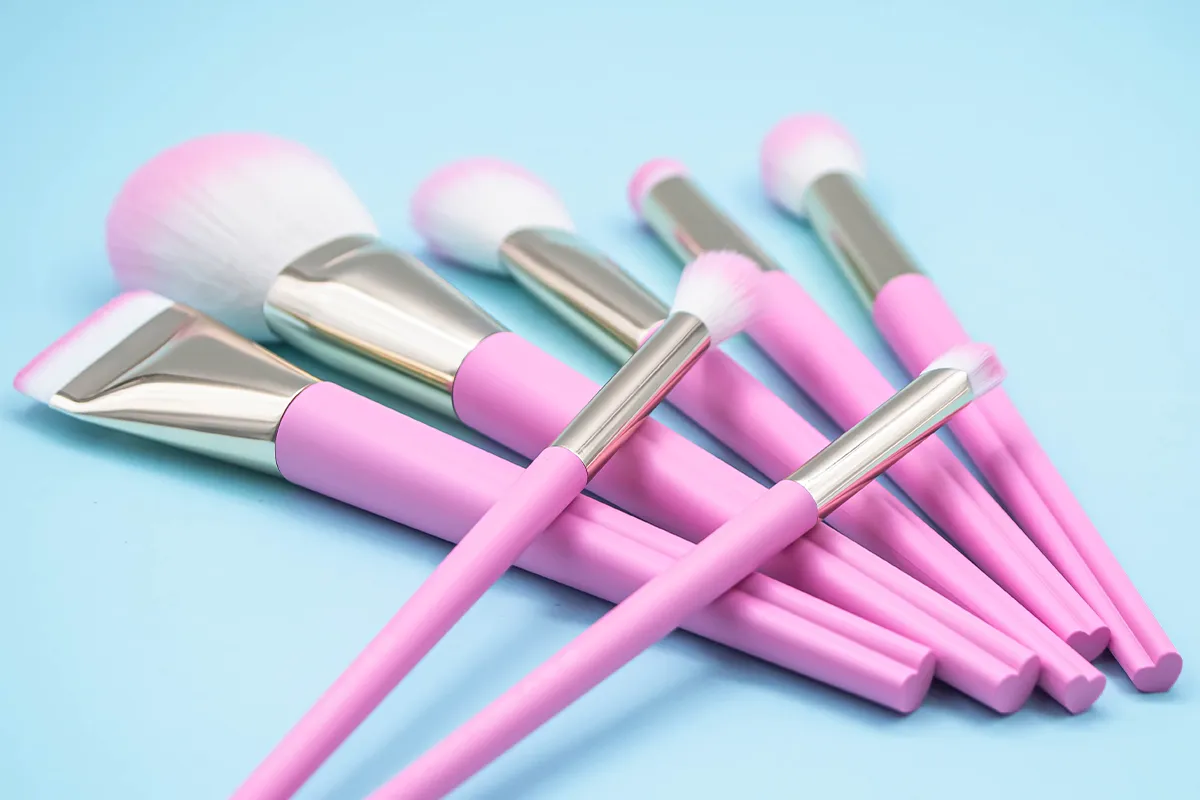
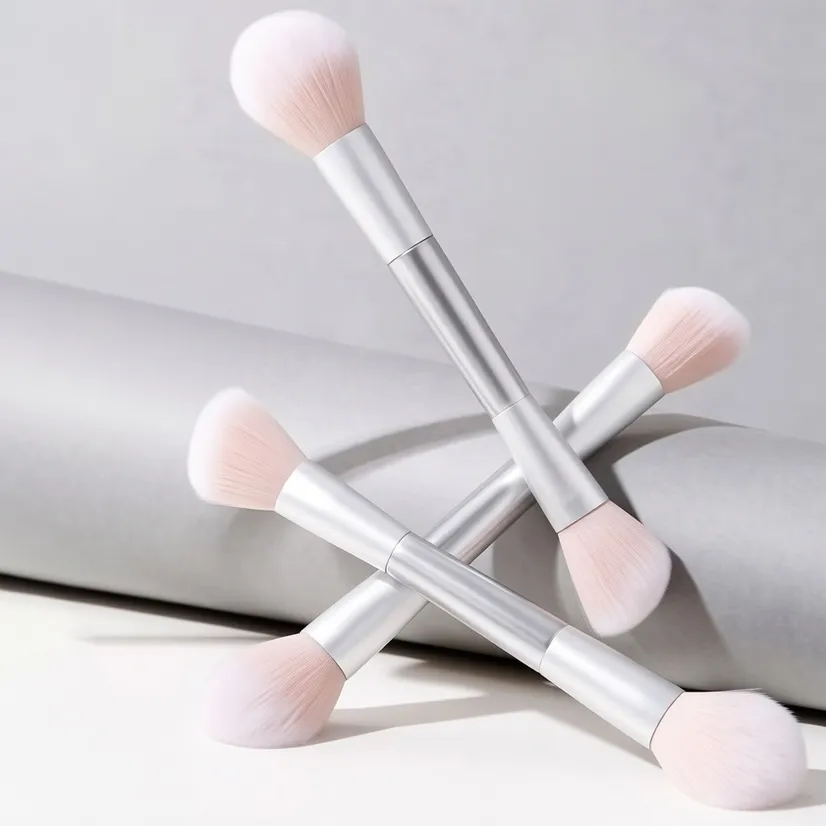
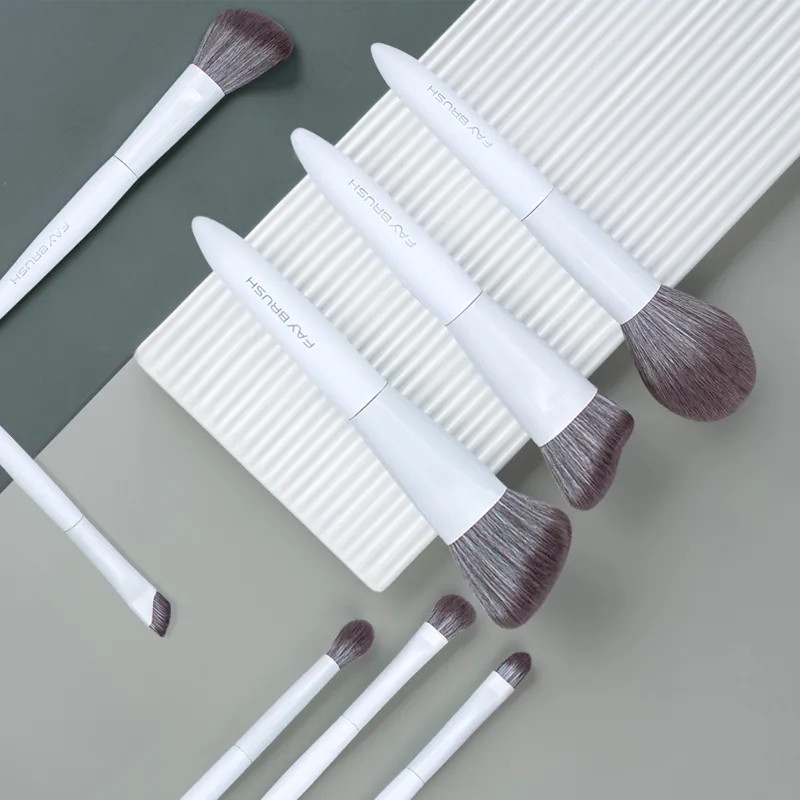
From the bristles that touch your skin to the handle you grip, every component plays a crucial role in the brush's performance and user experience. In this exploration, we'll dissect the materials used in makeup brushes, from the bristles, ferrule, handle, to the logo and packaging.
The Heart of the Brush: Bristles
Natural Hair Bristles
Natural hair bristles, sourced from animals like sable, goat, and pony, have long been favored in the makeup industry. Manufacturers play a vital role in ensuring humane sourcing practices and sustainable harvesting to maintain the integrity of these natural resources while meeting consumer demand.
Synthetic Bristles
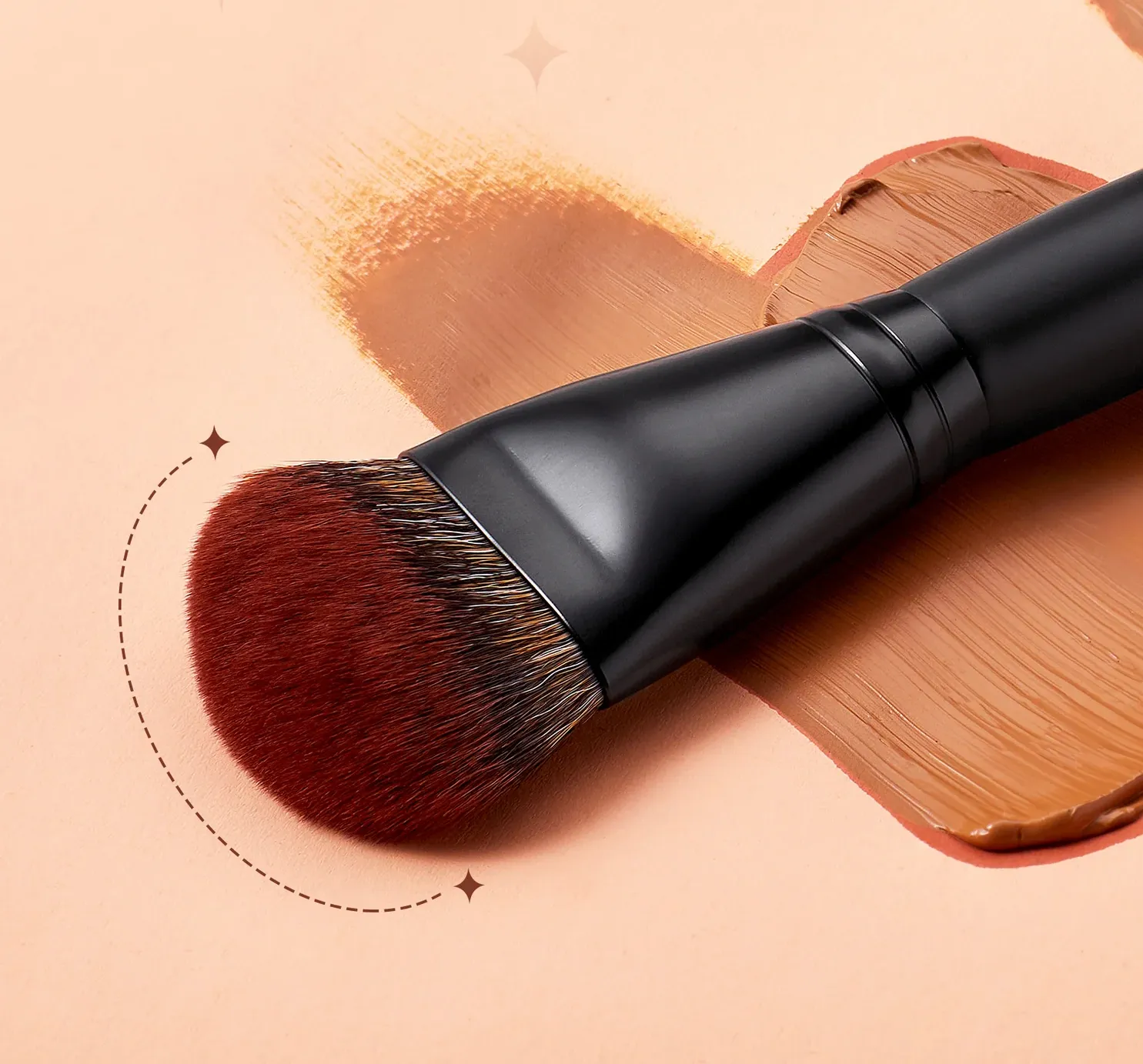
With the rise of cruelty - free and vegan beauty trends, synthetic bristles made from materials such as nylon and taklon have gained significant popularity. These bristles are resistant to shedding, easy to clean, and perform exceptionally well with liquid and cream products. Manufacturers can engineer synthetic bristles to have specific shapes, densities, and textures, allowing for more precise application. Their ability to control the quality and consistency of synthetic bristle production ensures that each brush meets the high standards of performance and durability.
The Connector: Ferrule
The ferrule is the metal or plastic component that connects the bristles to the handle. It provides structural support and keeps the bristles firmly in place. Aluminum ferrules are highly regarded for their durability and resistance to rust, ensuring the brush's longevity. Some manufacturers use copper ferrules with a protective coating for a more luxurious look. In the production process, manufacturers employ precision - fitting techniques to ensure a tight and secure connection between the ferrule, bristles, and handle. This meticulous attention to detail prevents the ferrule from loosening over time, which could lead to bristle shedding and brush damage.
The Grip: Handle
Materials for Handles
Makeup brush handles come in a variety of materials, each offering different aesthetics and functionality. Wooden handles, such as those made from maple, rosewood, or bamboo, provide a natural and elegant look. Bamboo, in particular, is a sustainable choice due to its rapid growth rate. Plastic handles are lightweight, affordable, and can be molded into various shapes and colors, making them a popular option for mass - market brushes. Metal handles, often made from aluminum or brass, offer a premium feel and robust durability. Manufacturers carefully select handle materials based on factors like ergonomics, aesthetic appeal, and target market preferences.
Brand Identity: Logo
The logo on a makeup brush serves as a visual representation of the brand and its values. Manufacturers use various printing and engraving techniques to apply logos to brushes. Laser engraving on wooden or metal handles creates a permanent and high - end look, while screen printing on plastic handles offers a cost - effective and colorful option. A well - executed logo not only enhances the aesthetic appeal of the brush but also builds brand recognition and loyalty. Manufacturers work closely with brands to ensure that the logo placement, size, and style align with the brand's overall image and marketing strategy.
First Impressions: Packaging
Materials and Functionality
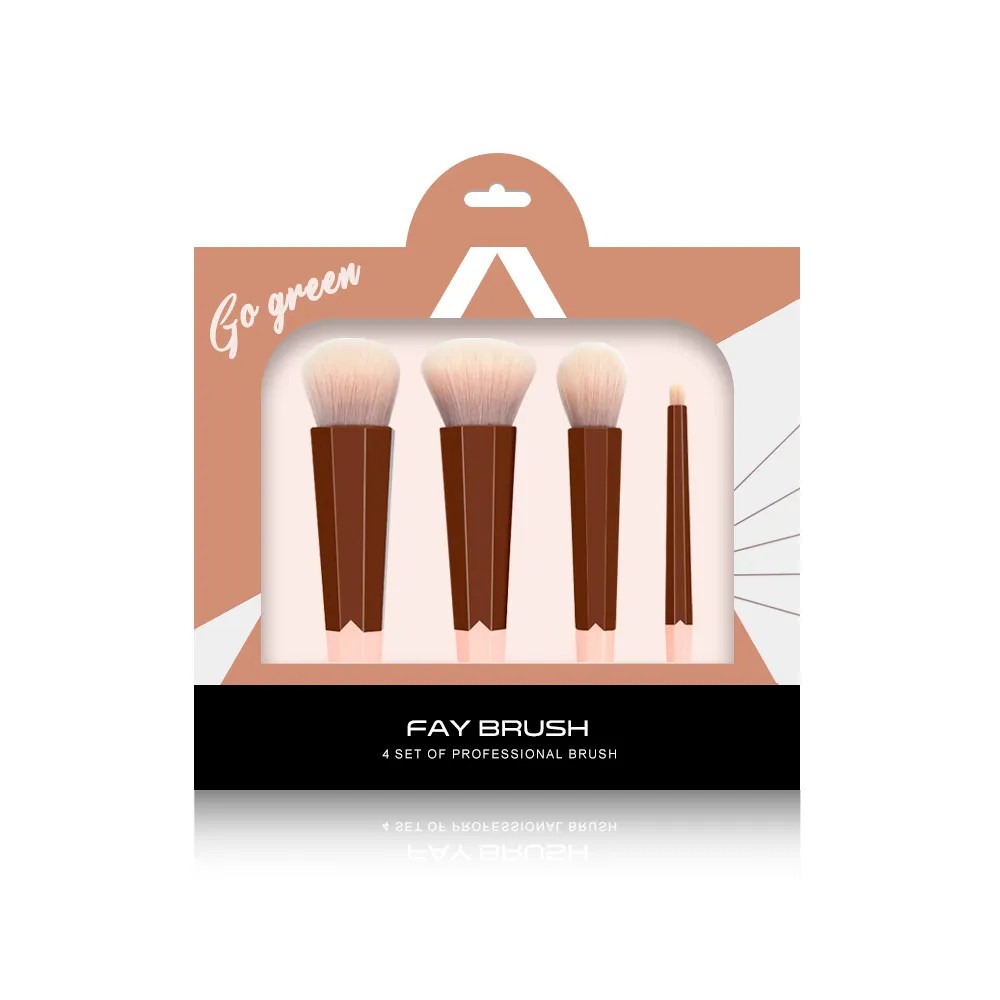
Makeup brush packaging is the first point of contact between the product and the consumer. Cardboard boxes, plastic sleeves, and fabric pouches are commonly used for packaging. Recyclable cardboard boxes are environmentally friendly and can be customized with high - quality printing to showcase product details and brand imagery. Plastic sleeves offer protection against dust and damage during transit, while fabric pouches provide a luxurious and reusable option.
The Indispensable Role of Manufacturers
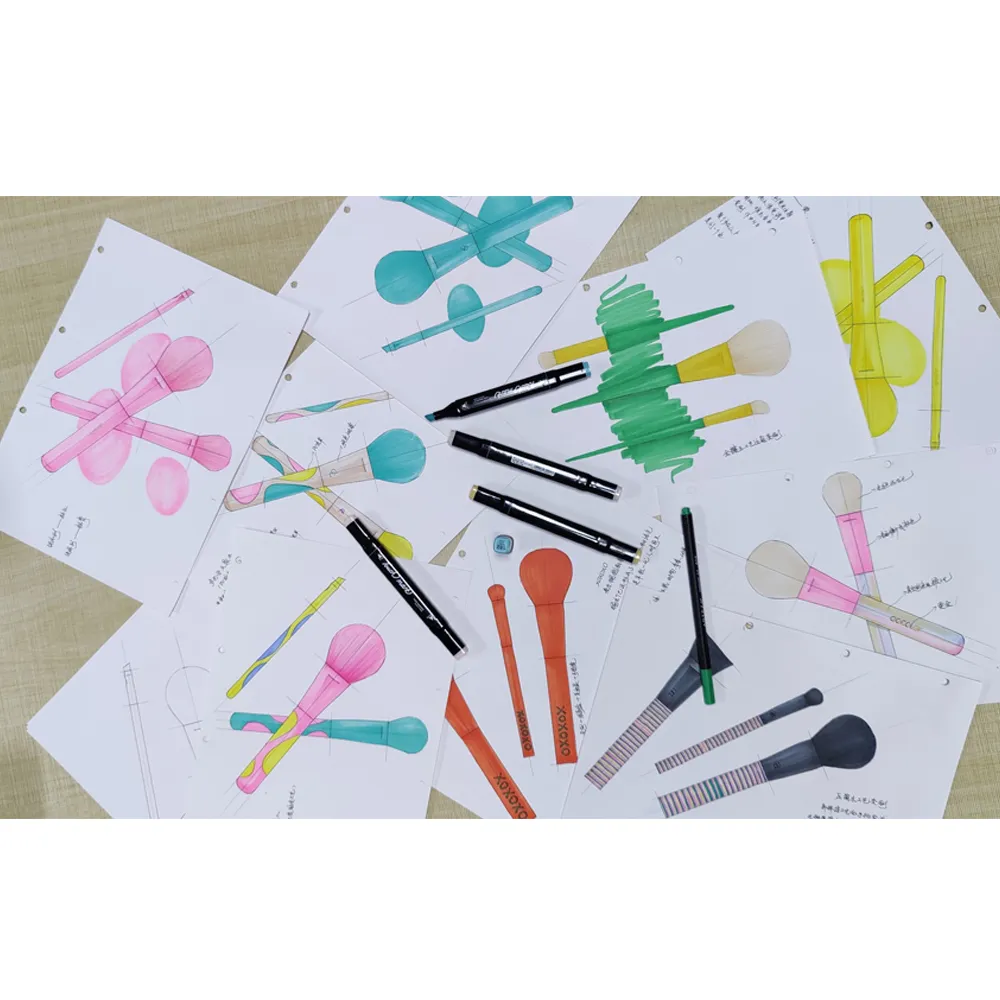
Makeup Brush manufacturers are the driving force behind every aspect of makeup brush production. They are responsible for sourcing high - quality materials, ensuring ethical and sustainable practices, mastering precise manufacturing techniques, and collaborating with brands to bring their vision to life. From the careful selection of bristle materials to the intricate design of packaging, manufacturers' expertise and attention to detail determine the quality, performance, and market success of makeup brushes.
In conclusion, understanding what makeup brushes are made of reveals the complexity and craftsmanship involved in their creation. Each component, from bristles to packaging, contributes to the overall quality and user experience. And at the heart of it all are the manufacturers, whose commitment to excellence ensures that makeup enthusiasts around the world have access to brushes that are not only functional but also a pleasure to use.
Unveiling the Magic of Flat Makeup Brushes
How Often Should You Replace Makeup Brushes?
Related Article
The viral 4-in-1 makeup brush is leading beauty revolution, this multitasking tool has evolved from a gimmick into an absolute staple.
Why the 4-in-1 Makeup Brush is the Ultimate Beauty Game-Changer in 2026
High-quality travel makeup brush is no longer a flimsy, shedding miniature version of a regular tool—it is a smart, space-saving innovation.
The Ultimate Travel Makeup Brushes Guide