The Ultimate Guide to the Types of Foundation Brush
author: Fay Brush
2025-09-02
The Ultimate Guide to the Types of Foundation Brush
From seamless blending to precise coverage, different brush shapes are designed to cater to various formulas, skin types, and desired finishes. In this guide, we’ll break down the most popular foundation brush types, their unique benefits, top recommendations, and key considerations for customizing your perfect tool.
1. Flat Top Foundation Brushes
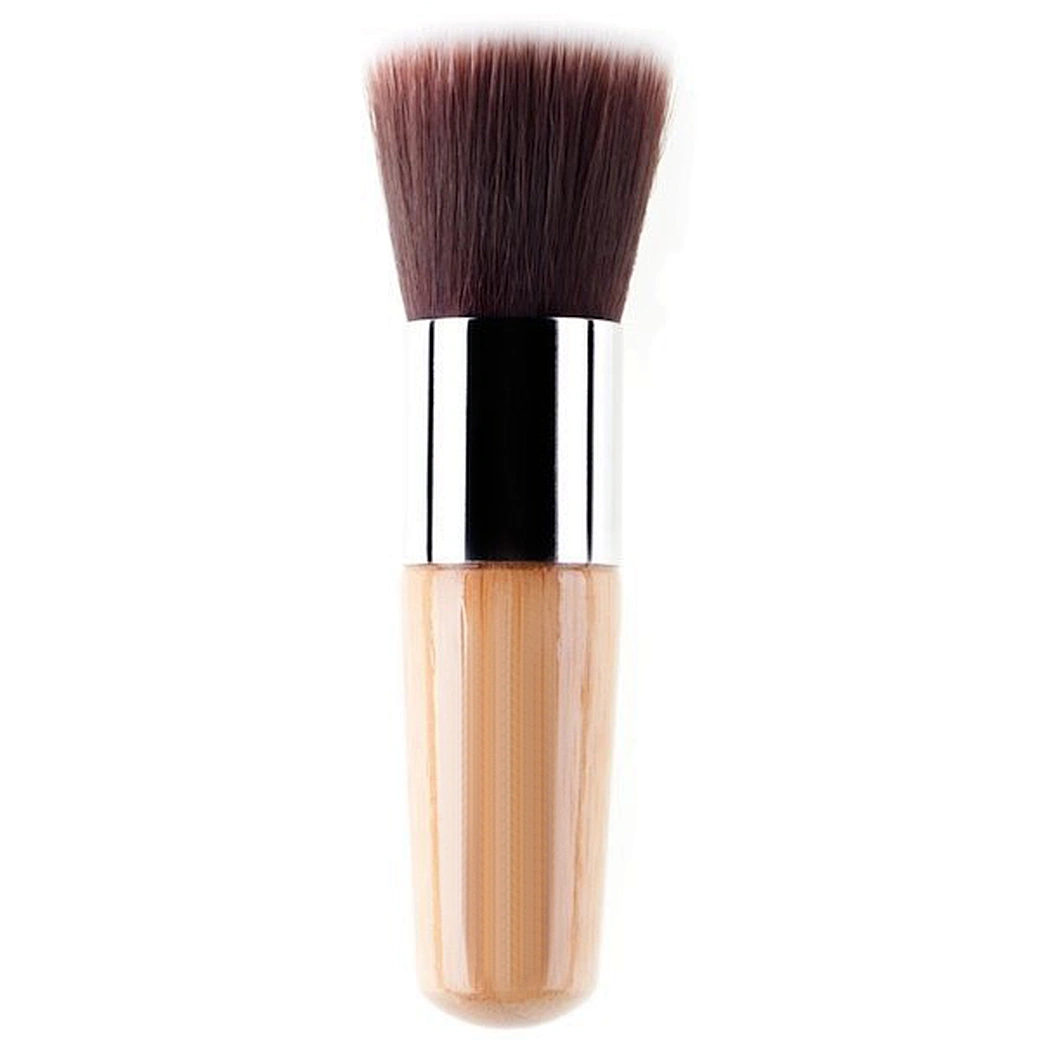
Flat top brushes feature a straight, flat bristle head with densely packed fibers. The edges are often squared or slightly rounded, creating a broad surface area.
Key Benefits
- Full coverage in seconds: The dense bristles pick up more product, making them ideal for buildable coverage with liquid or cream foundations.
- Smooth, airbrushed finish: The flat surface presses foundation into the skin rather than dragging it, minimizing streaks.
- Efficient for large areas: Perfect for quickly applying foundation to the cheeks, forehead, and chin.
Best For
- Liquid or cream foundations
- Those who want medium-to-full coverage
- Normal, combination, or oily skin (less likely to trap excess oil)
2. Round Foundation Brushes
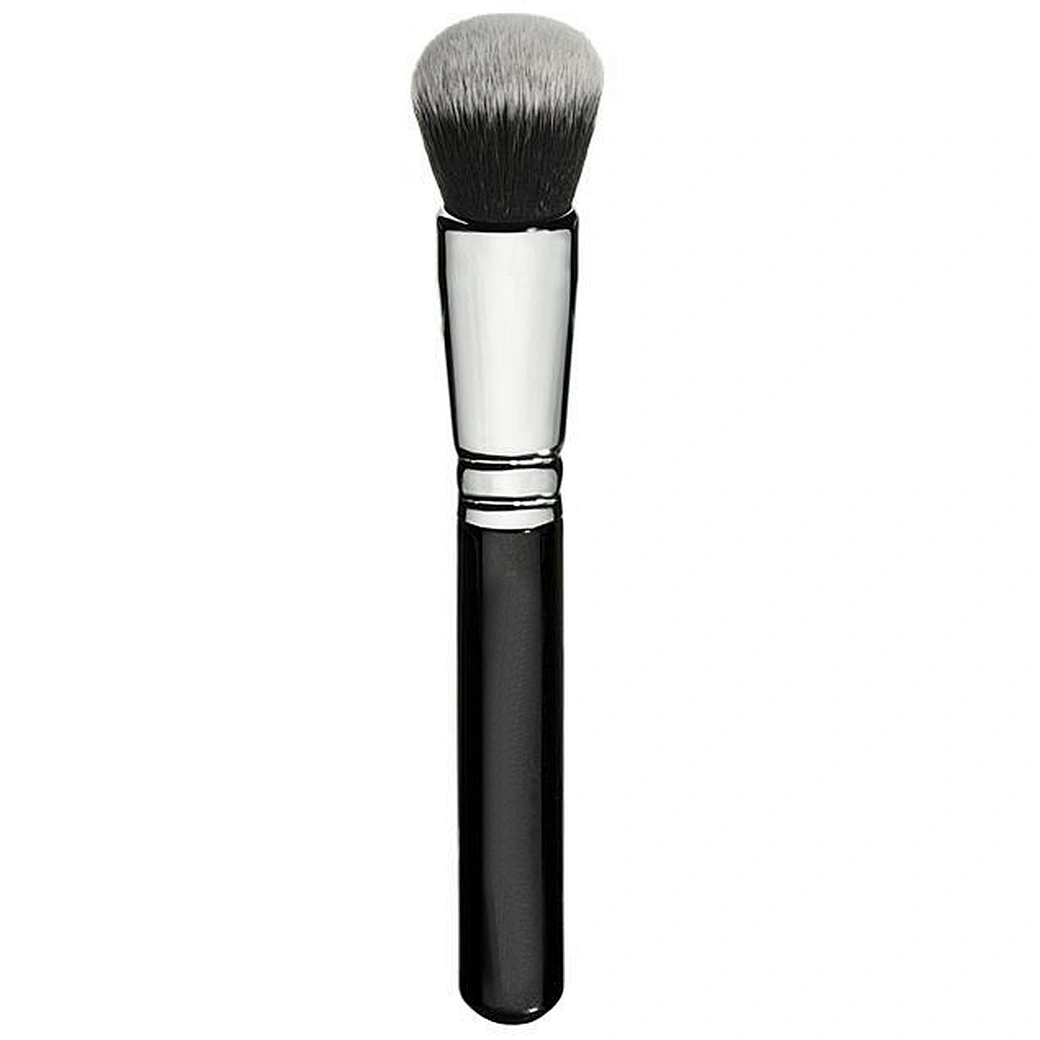
Round brushes have a cylindrical or slightly tapered bristle head with soft, flexible fibers. The shape is similar to a paintbrush but with shorter, denser bristles.
Key Benefits
- Natural, blended finish: The rounded shape allows for gentle buffing, creating a “your skin but better” look.
- Versatile for contouring: The tapered tip can reach hard-to-reach areas like around the nose and eyes.
- Gentle on sensitive skin: Soft bristles reduce irritation, making them great for dry or sensitive skin types.
Best For
- Light-to-medium coverage foundations
- Powder or mineral foundations (when used with a lighter hand)
- Dry, sensitive, or mature skin
3. Angled Foundation Brushes
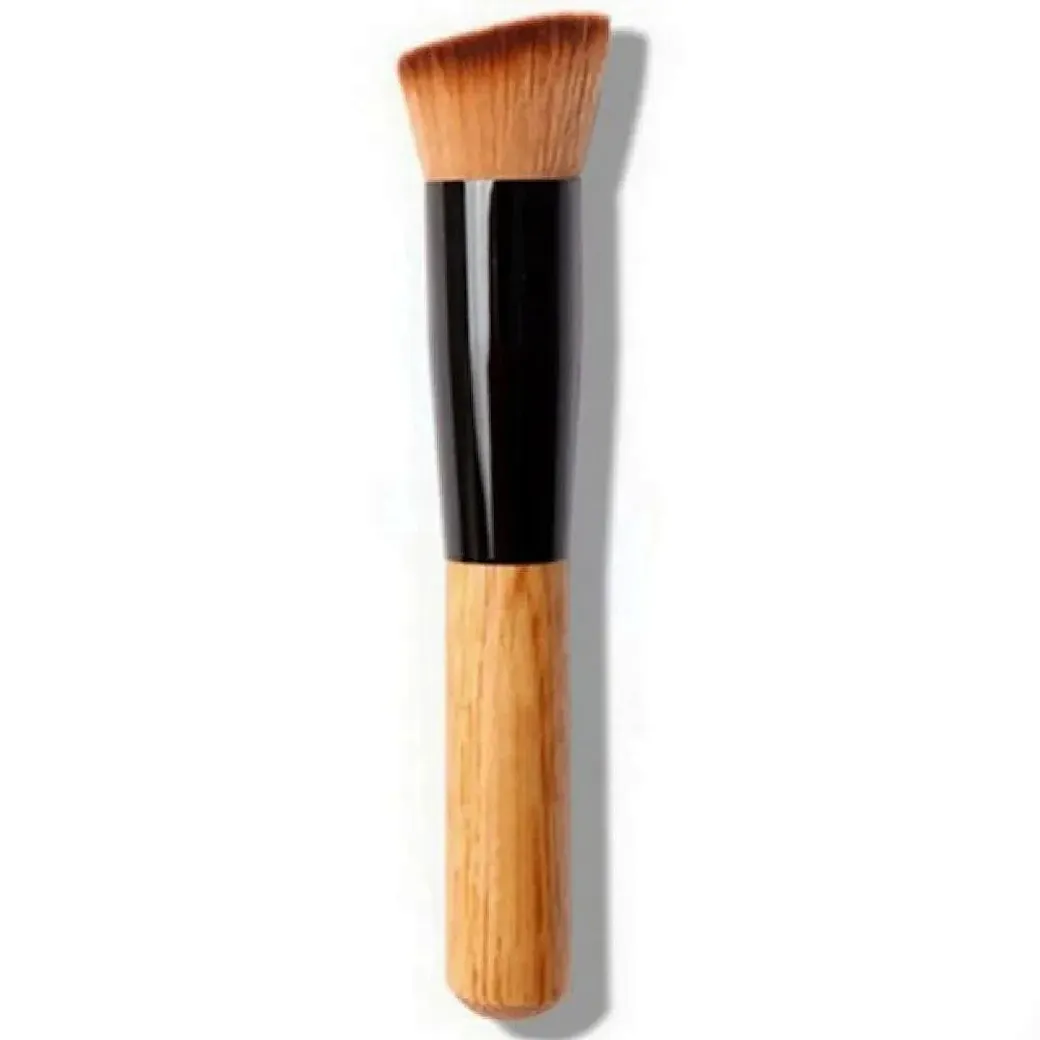
Angled brushes have a sloped bristle head (usually 45 degrees) with a mix of dense and medium-density fibers. The angle is designed to hug the contours of the face.
Key Benefits
- Precise application: The angled tip fits perfectly along the jawline, hairline, and under the eyes, avoiding harsh lines.
- Multi-tasking: Great for blending foundation and contour products in one step.
- Controlled coverage: The shape allows you to apply more product in targeted areas (e.g., redness or blemishes).
Best For
- Liquid or cream foundations
- Those who struggle with uneven coverage around contours
- All skin types
4. Stippling Foundation Brushes
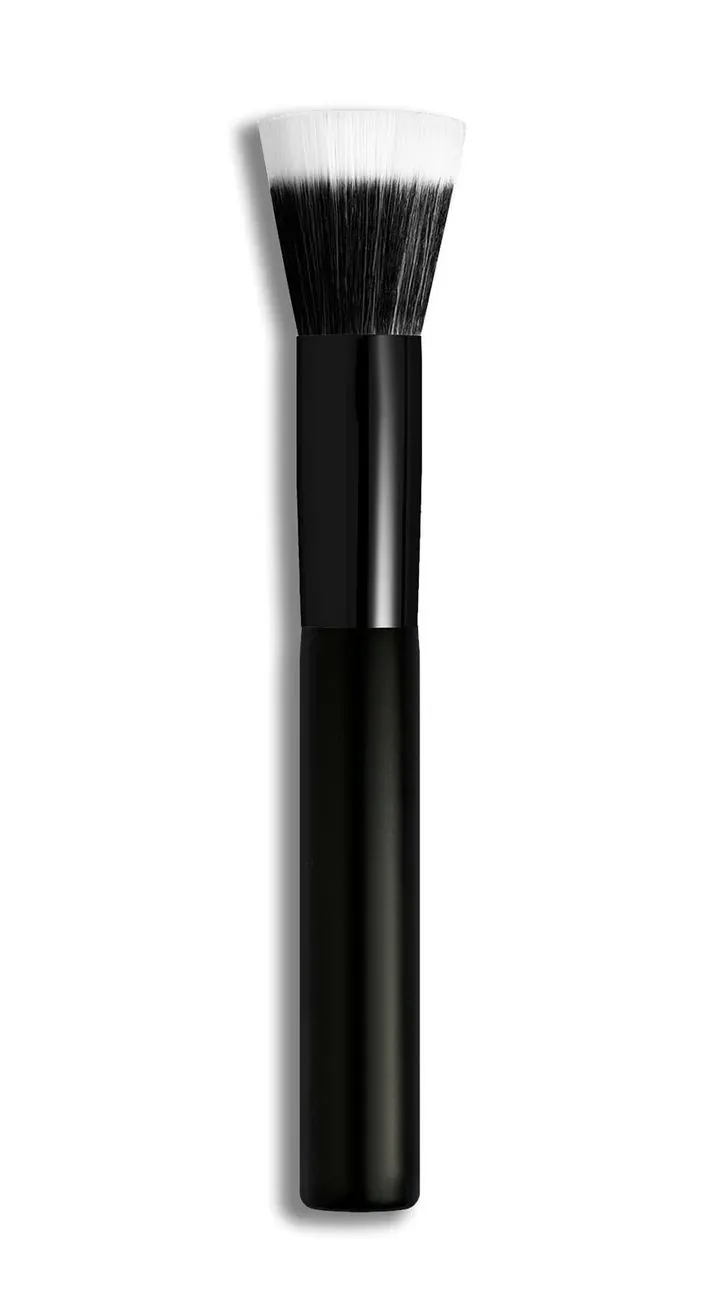
Stippling brushes have a dual-layer design: longer, softer outer bristles and shorter, denser inner bristles. The head is usually round or oval, with a fluffy texture.
Key Benefits
- Sheer, natural coverage: The stippling (tapping) motion deposits product lightly, ideal for a “no-makeup” makeup look.
- Minimizes product waste: The design picks up just enough foundation without soaking it up.
- Blends seamlessly with other products: Works well with concealer, blush, or highlighter for a cohesive finish.
Best For
- Light-coverage liquid or water-based foundations
- Those who prefer a dewy, fresh finish
- Normal or combination skin
Customizing Your Foundation Brush
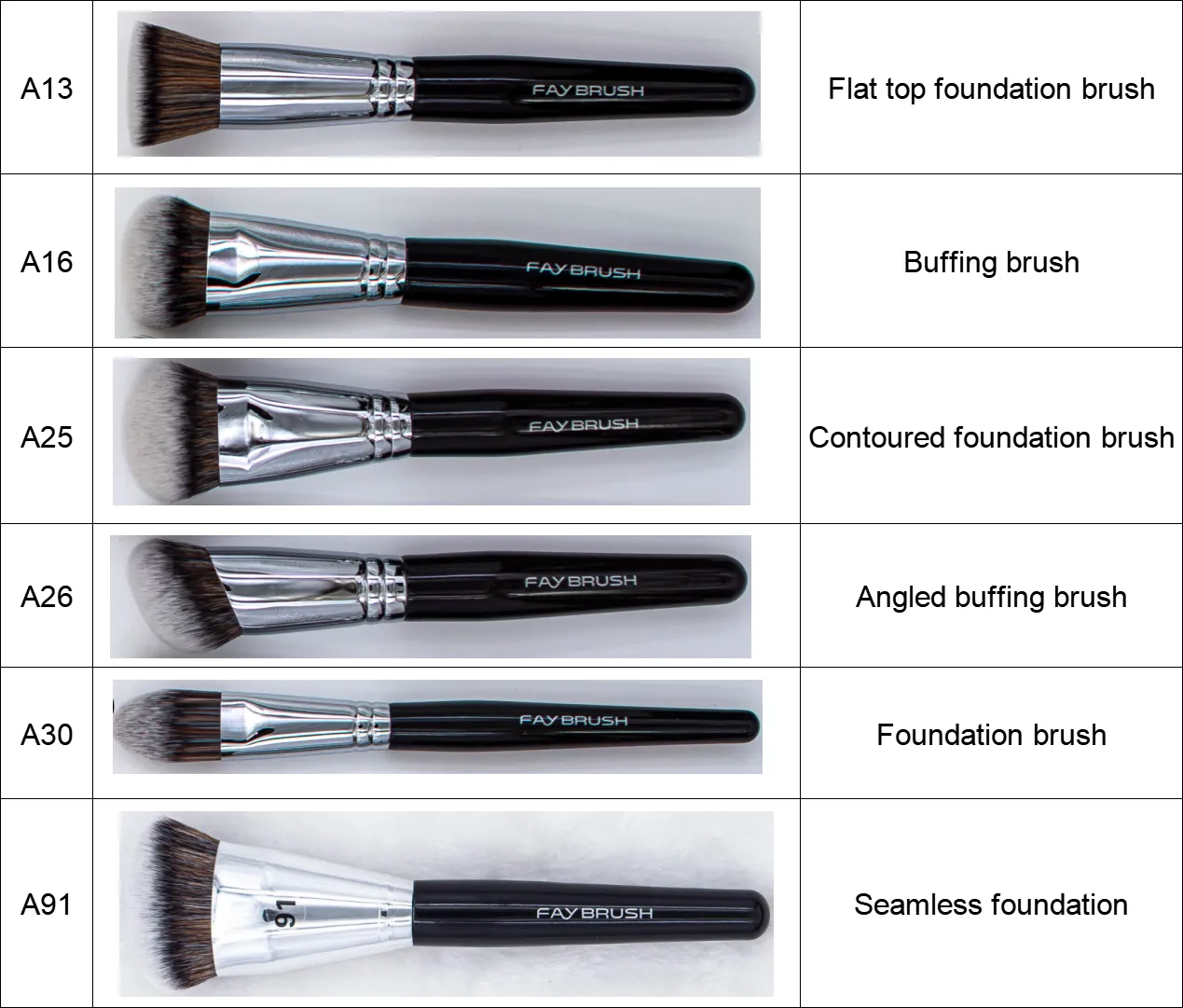
If you’re a beauty brand or professional makeup artist, customizing foundation brushes can elevate your product line. Here are key factors to discuss with your manufacturer:
1. Bristles
- Synthetic (Taklon/Nylon): Different hair shapes use different type of bristle, mostly use straight-wavy or low-wavy bristles.
- Hair Shapes: Different user prefer different shapes, choose one that is the most suitable for you.
2. Handle Design
- Length: Short handles (6-7 inches) are great for travel; longer handles (8-10 inches) provide better control for professionals.
- Material: Wood (classic, durable) or plastic (modern, lightweight) options.
3. Branding
- Add your logo via laser engraving (on the ferrule) or silk screening (on the handle).
- Choose custom colors for the handle or ferrule to match your brand identity.
4. Supplier
- The foundation brush supplier must be real manufactuer, which means they have own manufacturer facility.
- The factory must be qualified with ISO900, BSCI and SEDEX, if they working with top brands that would be great.
Final Thoughts
The right foundation brush depends on your desired coverage, foundation formula, and skin type. Whether you prefer a flat top for full coverage or a stippling brush for a natural finish, investing in a high-quality tool will transform your makeup routine.
For brands looking to stand out, customizing your foundation brushes—from bristle material to branding—can create a unique, memorable product that resonates with customers. Fay has been manufacturing makeup brushes over 15 years, we will be your reliable partner.
The Types of Highlighter Brush and The One You Should Have
The Uses and Types of Mascara Wands
Related Article
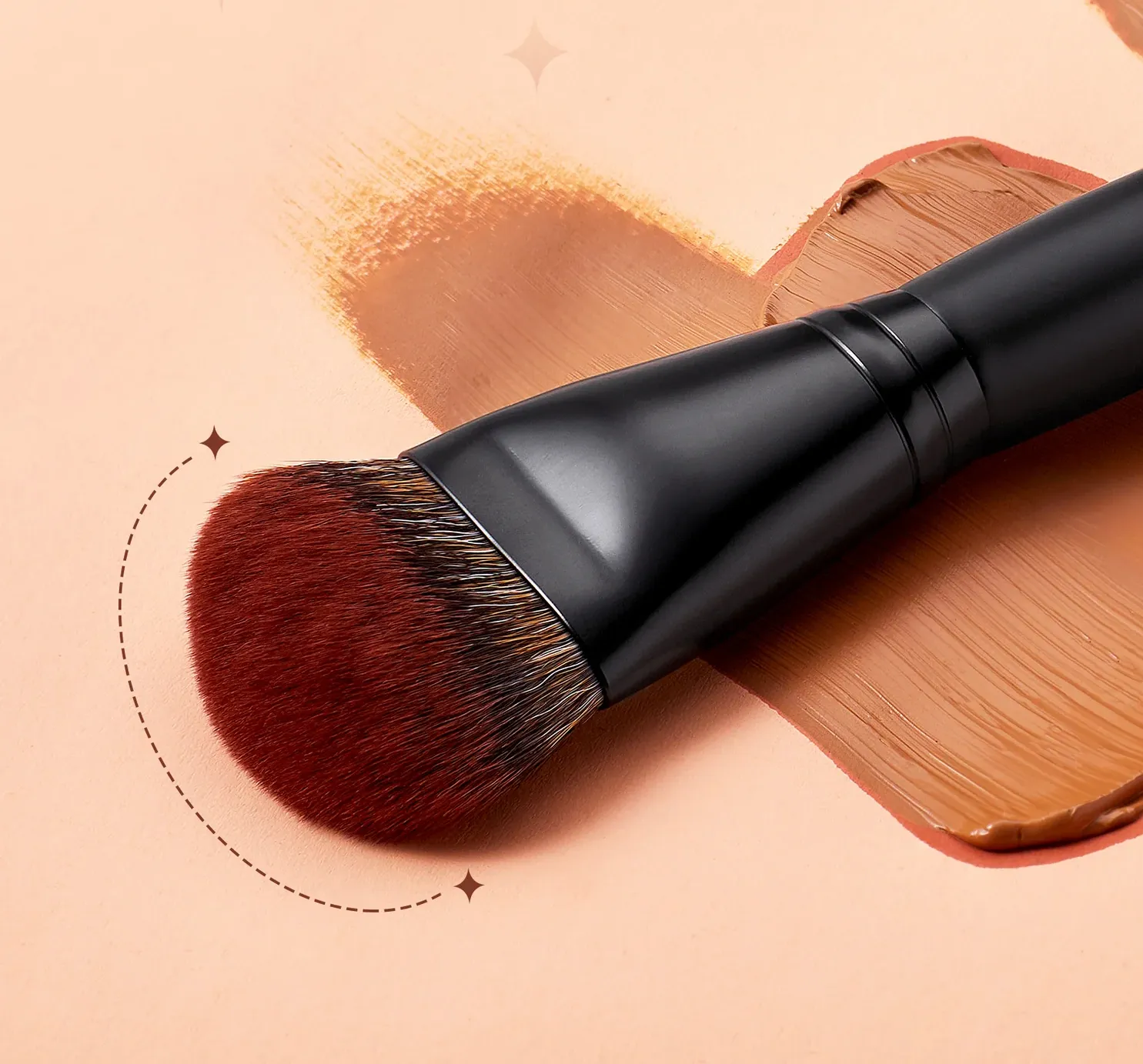
Complete OEM sourcing guide for foundation brushes. Stable annual output over 1,000,000 pcs, strict control on production craftsmanship, adhesive glue and performance testing for beauty brands worldwide.
Foundation Brush OEM Guide | Private Label Foundation Brush Manufacturer
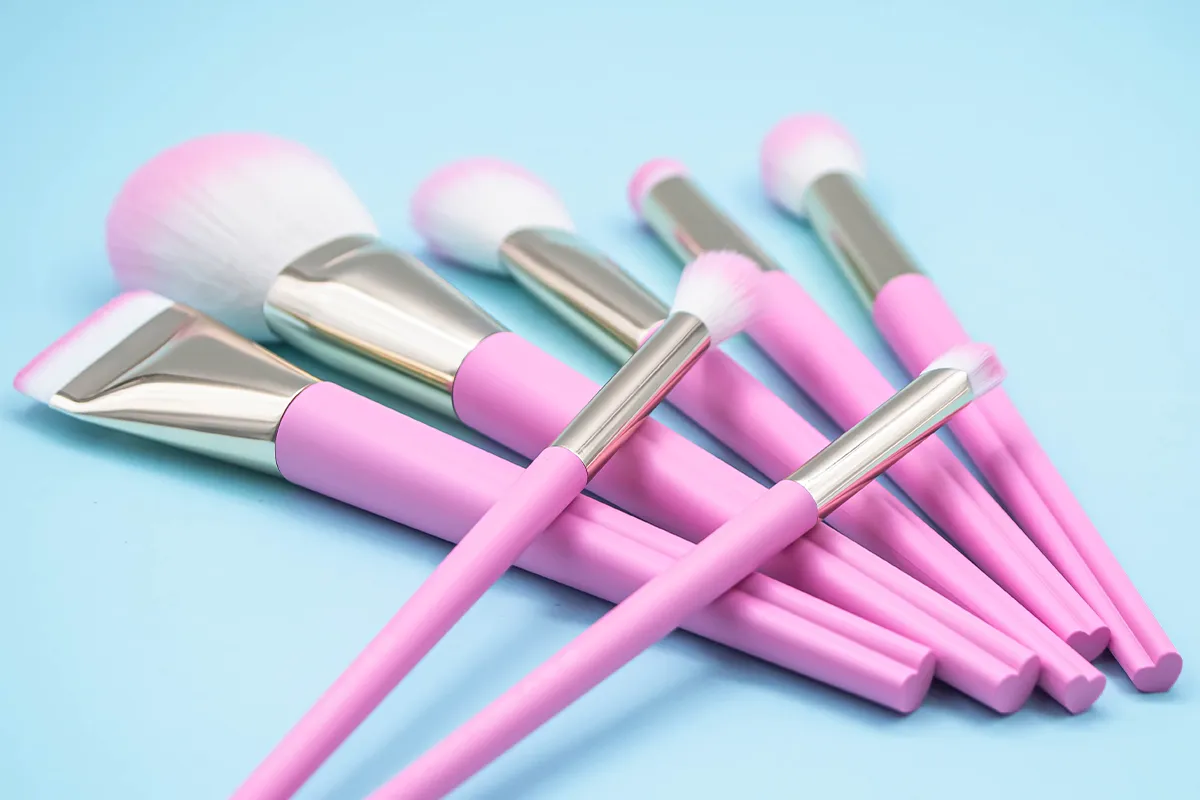
One factory, one quality system, one compliance pack. How makeup brushes, hair brushes, makeup bags, lash tools and mirrors work together in a 2026 B2B program.
The One-Stop Beauty Tools Sourcing Guide

CONTACT US

+86 769 81900169

sales@faybrush.com

#172 Huancun Rd, Jinxiaotang Zhutang, Fenggang, Dongguan, 523681 China