
The Ultimate Guide to Different Types of Cosmetic Brushes
author: Fay Brush
2025-11-26
Whether you’re a makeup beginner or a seasoned enthusiast, understanding the right cosmetic brushes for your routine is key to achieving a flawless finish. In this guide, we’ll break down the essential brush categories, their uses, and pro tips to elevate your makeup game.
1. Foundation & Buffing Brushes: The Base Masters
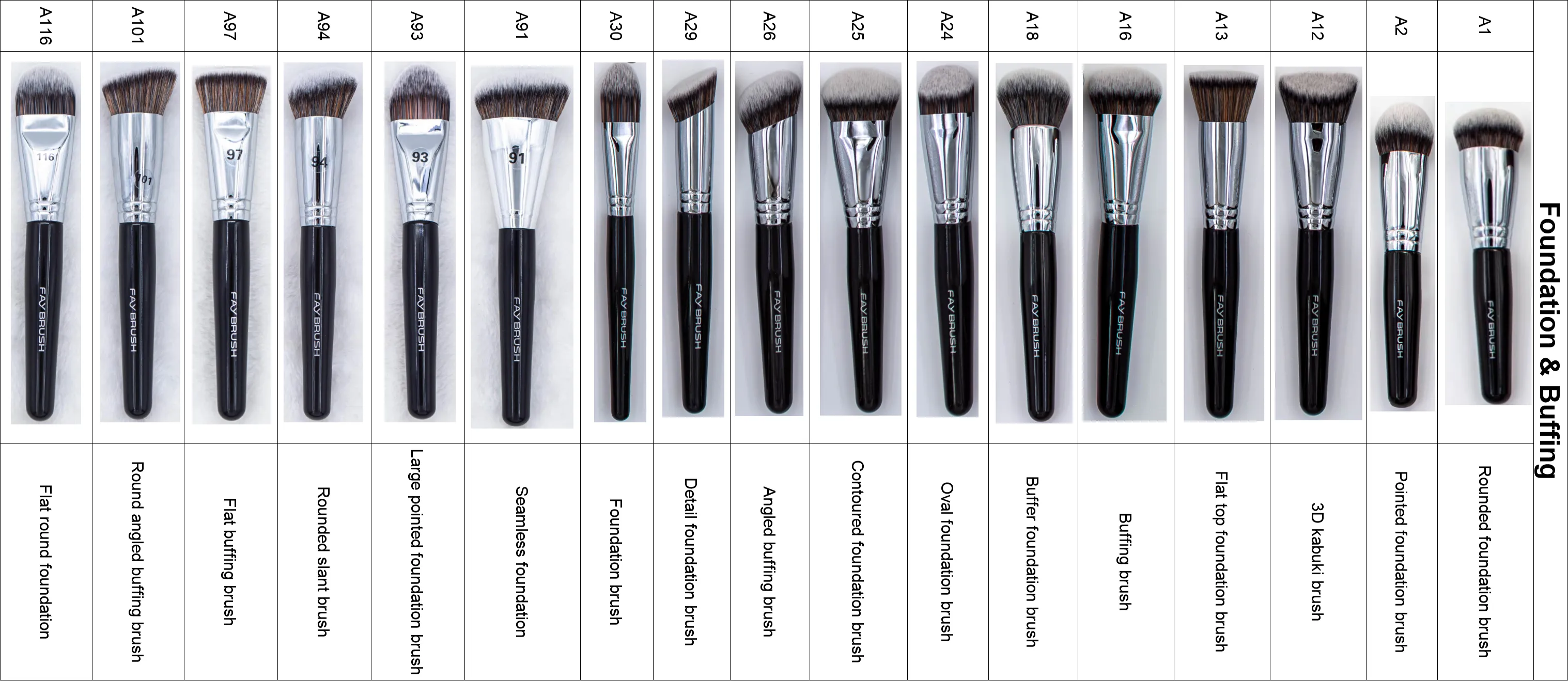
Your makeup base sets the tone for the entire look, and these brushes are engineered to create smooth, even coverage with liquid, cream, or powder foundations.
Foundation Brush
A foundation brush typically features flat, tapered bristles that allow for precise, full-coverage application. Its design lets you target areas that need more coverage (like redness or blemishes) first, then blend outward for a seamless finish. To use, dab a small amount of foundation onto the brush and work from the center of your face toward the hairline. For best results, warm the product between your fingertips first to mimic skin’s natural texture.
Buffing Brush
The buffing brush has a rounded, kabuki-style head with densely packed bristles—ideal for blending liquid, cream, or powder foundations into a airbrushed canvas. Its short bristles allow for medium-pressure circular motions, which help melt product into the skin and eliminate streaks. This brush is perfect for achieving a natural, “second-skin” finish, especially when working with buildable formulas.
2. Blush & Contour Brushes: Sculpt & Glow
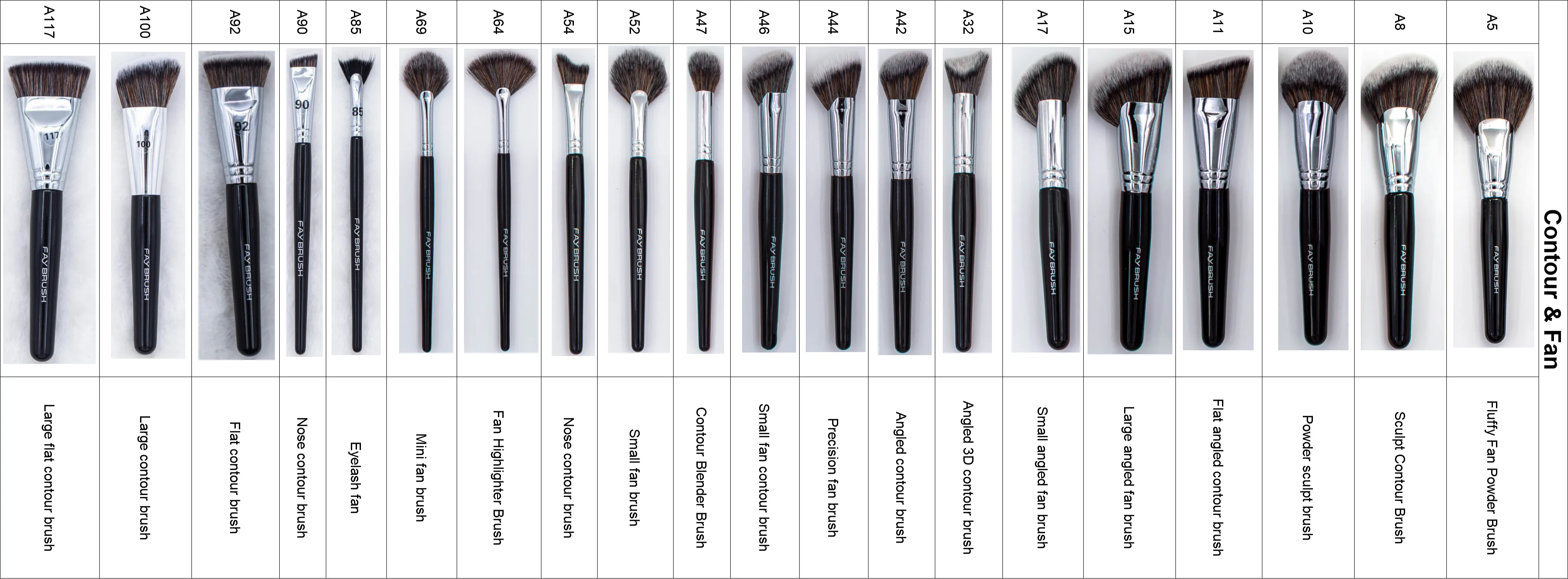
These brushes help add dimension and color to your face, from soft flushed cheeks to chiseled contours.
Blush Brush
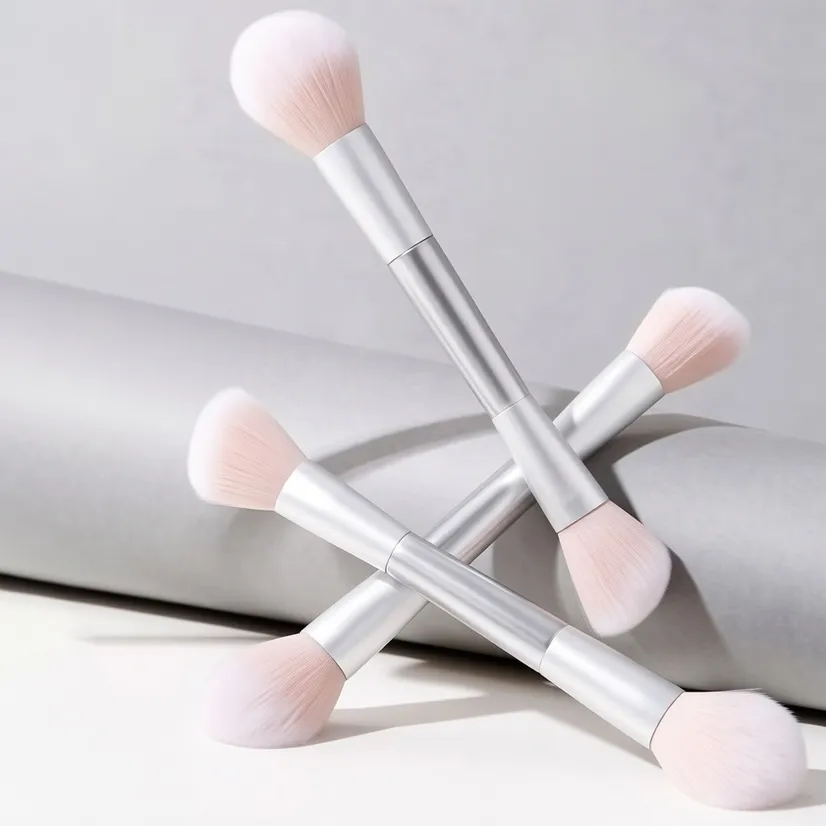
A blush brush is usually fluffy with a slightly rounded or angled shape, designed to pick up just the right amount of powder or cream blush. Its soft bristles ensure a diffused, natural application—avoiding harsh streaks. For a lifted effect, sweep the brush along the apples of your cheeks toward your temples. Duo-fibre blush brushes are particularly versatile, offering light coverage for a “lit-from-within” glow.
Contour Brush
The contour brush features an angled, dense head that fits perfectly along the hollows of your cheeks, jawline, and nose. Its shape allows for precise placement of contour powder or cream, helping to sculpt and define facial features. To use, blend product in upward motions to avoid a “muddy” look, focusing on areas you want to slim or deepen. Pro tip: Choose a brush with firm bristles for cream products and softer bristles for powder.
3. Powder & Bronzer Brushes: Set & Warm
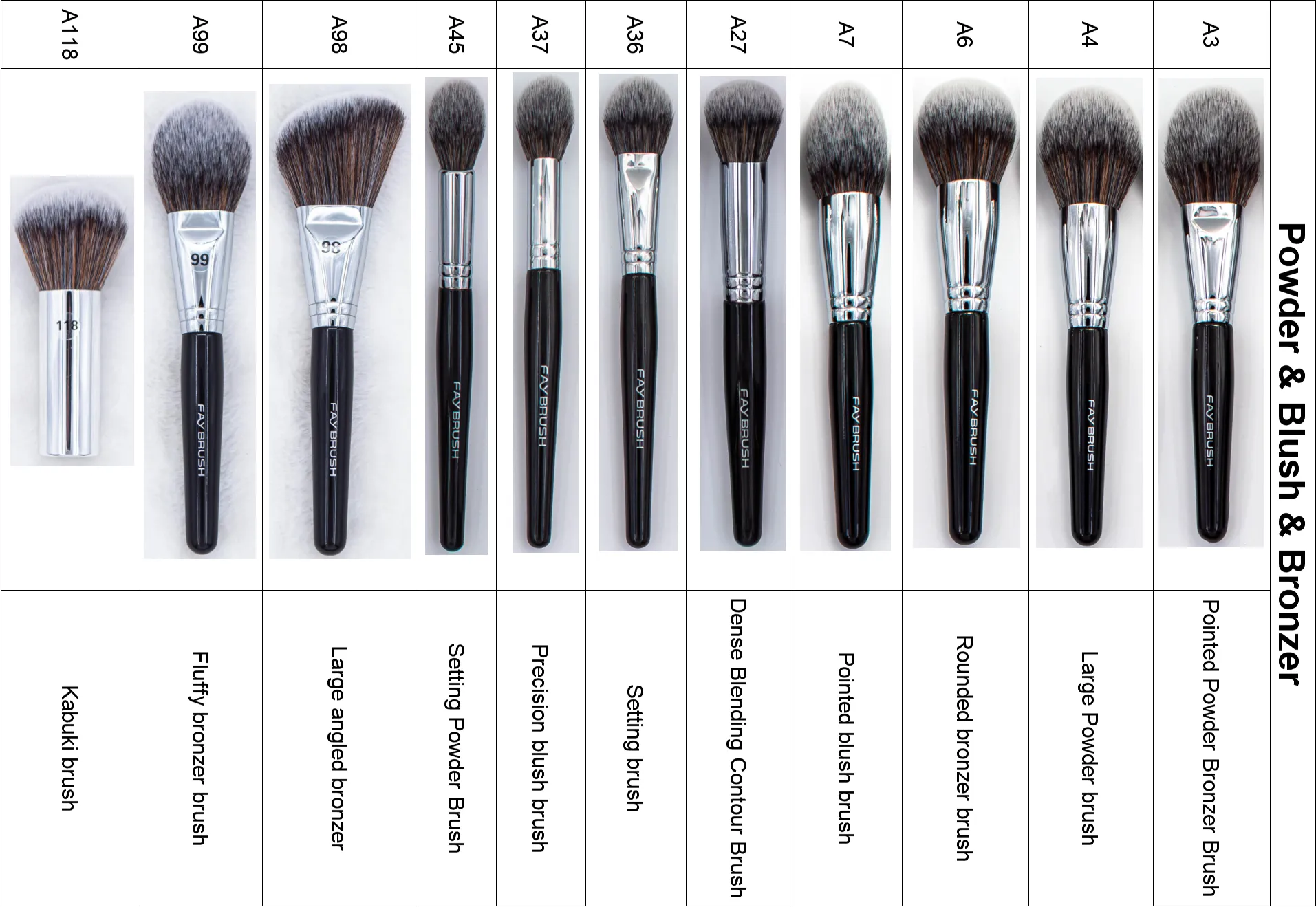
These brushes are essential for setting makeup and adding a sun-kissed warmth to your complexion.
Powder Brush
A powder brush is large, fluffy, and lightweight—perfect for dusting loose or pressed powder across the entire face to set foundation and control shine. Its big head ensures even coverage without disturbing underlying products. Focus on the T-zone (forehead, nose, chin) where oil tends to accumulate. For a light finish, tap excess powder off the brush before application.
Bronzer Brush
The bronzer brush has a broader, fluffy shape with slightly tapered bristles, designed to apply bronzer evenly for a natural tan effect. Unlike contour brushes, it’s meant to warm up the skin rather than sculpt—so sweep it across the high points of your face (cheekbones, forehead, jawline) in a “3” motion. Opt for a brush with less density than a contour brush to avoid patchiness.
4. Highlighter & Concealer Brushes: Brighten & Correct
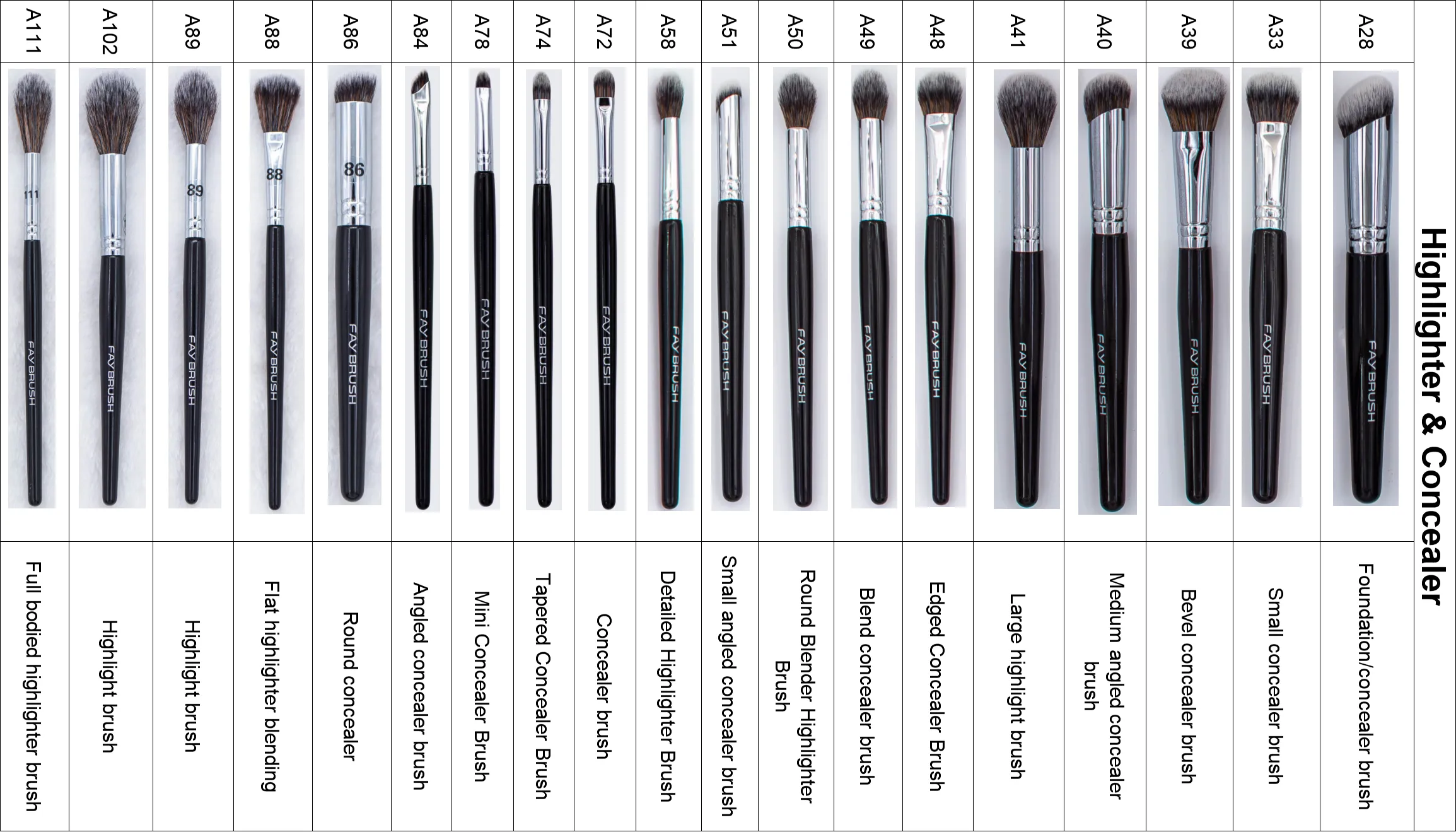
These brushes target specific areas to brighten, conceal, and add a luminous glow.
Highlighter Brush
A highlighter brush comes in various shapes, but the most common are tapered, chiseled, or fan-shaped. Tapered brushes (with softly pointed heads) are ideal for precise application on cheekbones, brow bones, and the bridge of the nose. Fan brushes offer a light, feathered finish—perfect for a subtle glow. For intense shine, use a chiseled highlighter brush, which hugs facial contours to deliver concentrated product. Smaller highlighter brushes work great for the inner corners of the eyes or cupid’s bow.
Concealer Brush
The concealer brush has a slim, tapered design—with a flat side for larger areas (like under-eye circles) and a pointed tip for spot concealing (blemishes or redness). Its dense bristles allow for precise blending without dragging the skin. For under-eyes, use gentle patting motions to brighten and reduce creasing. Some concealer brushes also feature antibacterial technology to keep skin clean.
5. Eye & Lip Brushes: Detail & Define
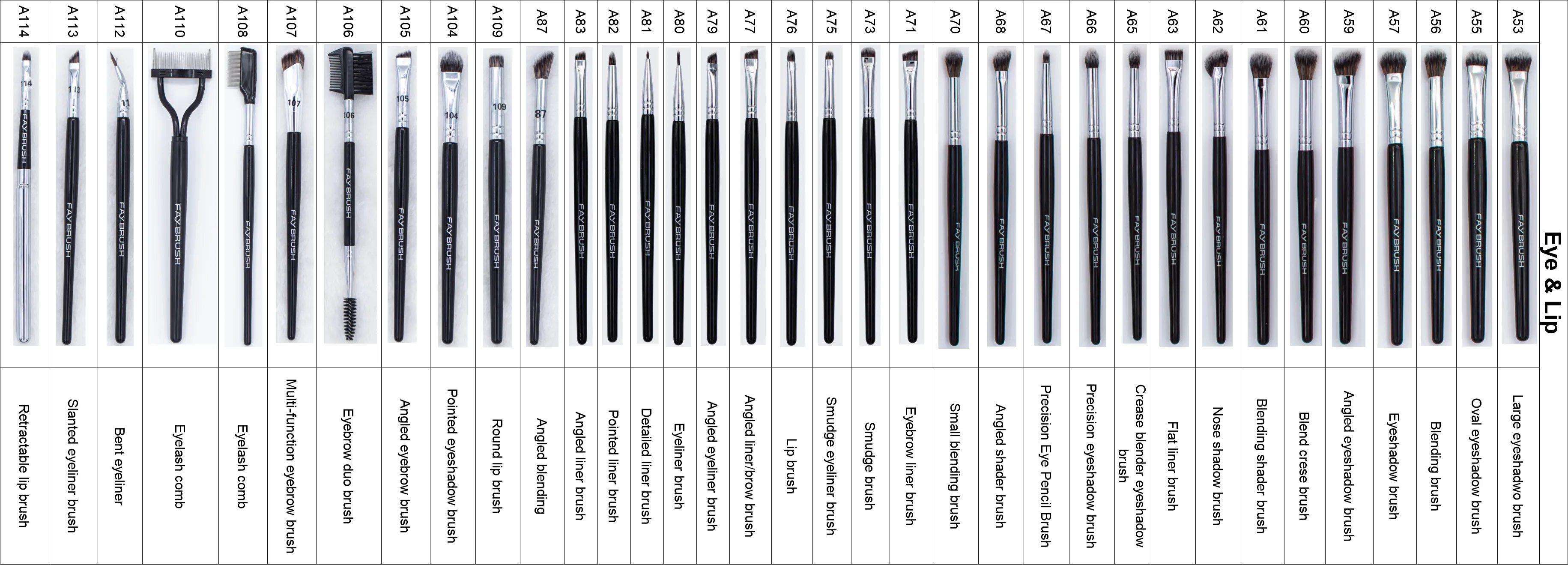
From smoky eyes to precise lip lines, these brushes handle the most detailed parts of your makeup routine.
Eye Brushes
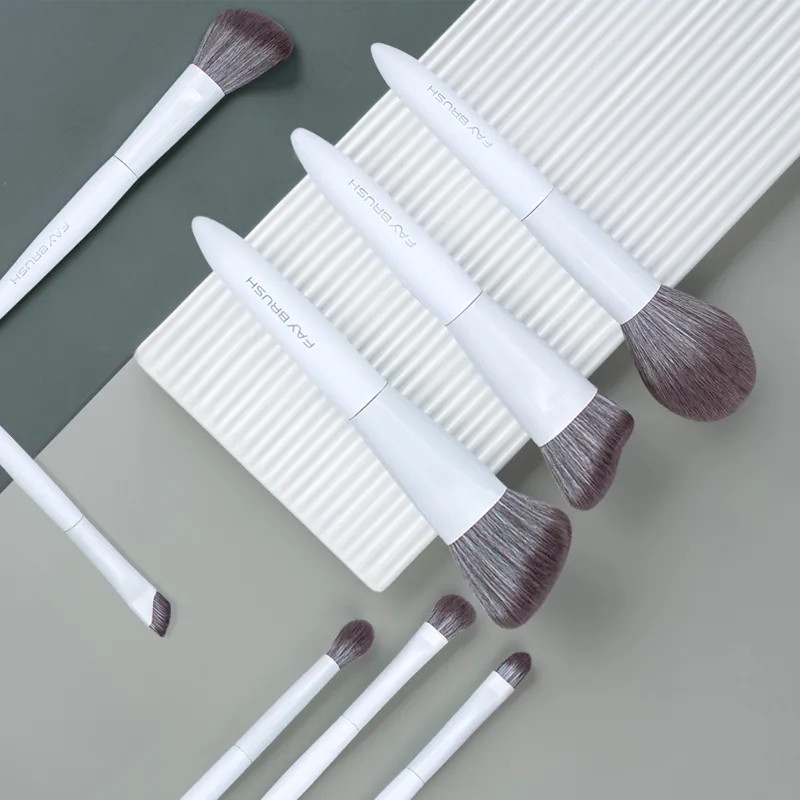
Eye brushes come in multiple shapes to create endless eye looks:
-
Eyeshadow Brush: Flat or slightly rounded, for packing eyeshadow onto the eyelids with precision.
-
Crease Brush: Dome-shaped and tapered, to add depth by blending eyeshadow into the eye crease.
-
Angle Brush: Versatile for applying eyeshadow as eyeliner or filling in eyebrows with powder/gel.
-
Blending Brush: Soft and fluffy, for seamless blending of eyeshadow shades to avoid harsh lines.
-
Smudge Brush: Dense bristles, for smudging eyeshadow or eyeliner to create a smoky effect.
Lip Brush
A lip brush has a thin, tapered tip with firm bristles—perfect for defining lip lines and applying lipstick or lip gloss precisely. It ensures even coverage and helps lipstick last longer by preventing feathering. For a sharp look, outline your lips first with the brush, then fill in the rest.
Conclusion
Every makeup brush may have different names or usages depending on the user. The most important thing is to choose the right brush based on your personal needs.
If you’re a regular makeup enthusiast, opt for a variety of high-quality brush types to cover diverse makeup looks. For occasional makeup users, there’s no need to buy every type—just select a few essential brushes that fit your daily routine.
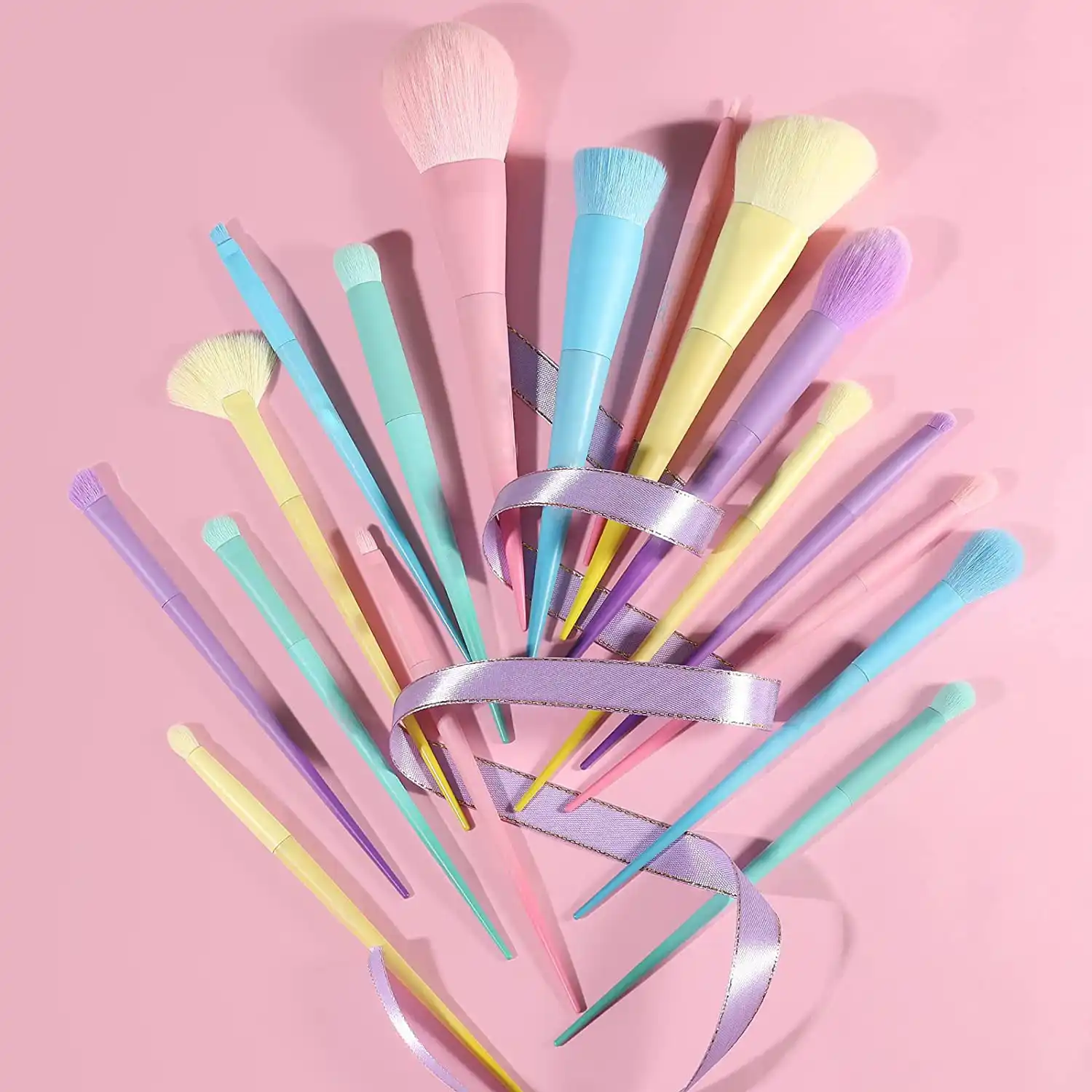
Many makeup artist-founded brands develop brushes based on their own professional preferences and usage habits. If you’re looking to customize makeup brushes tailored to your needs, feel free to contact us. We guarantee to provide the best solutions and premium quality for your custom requirements.
The Types and Uses of Stippling Makeup Brushes
The Ultimate Guide to the Best Lip Brushes in 2025
Related Article
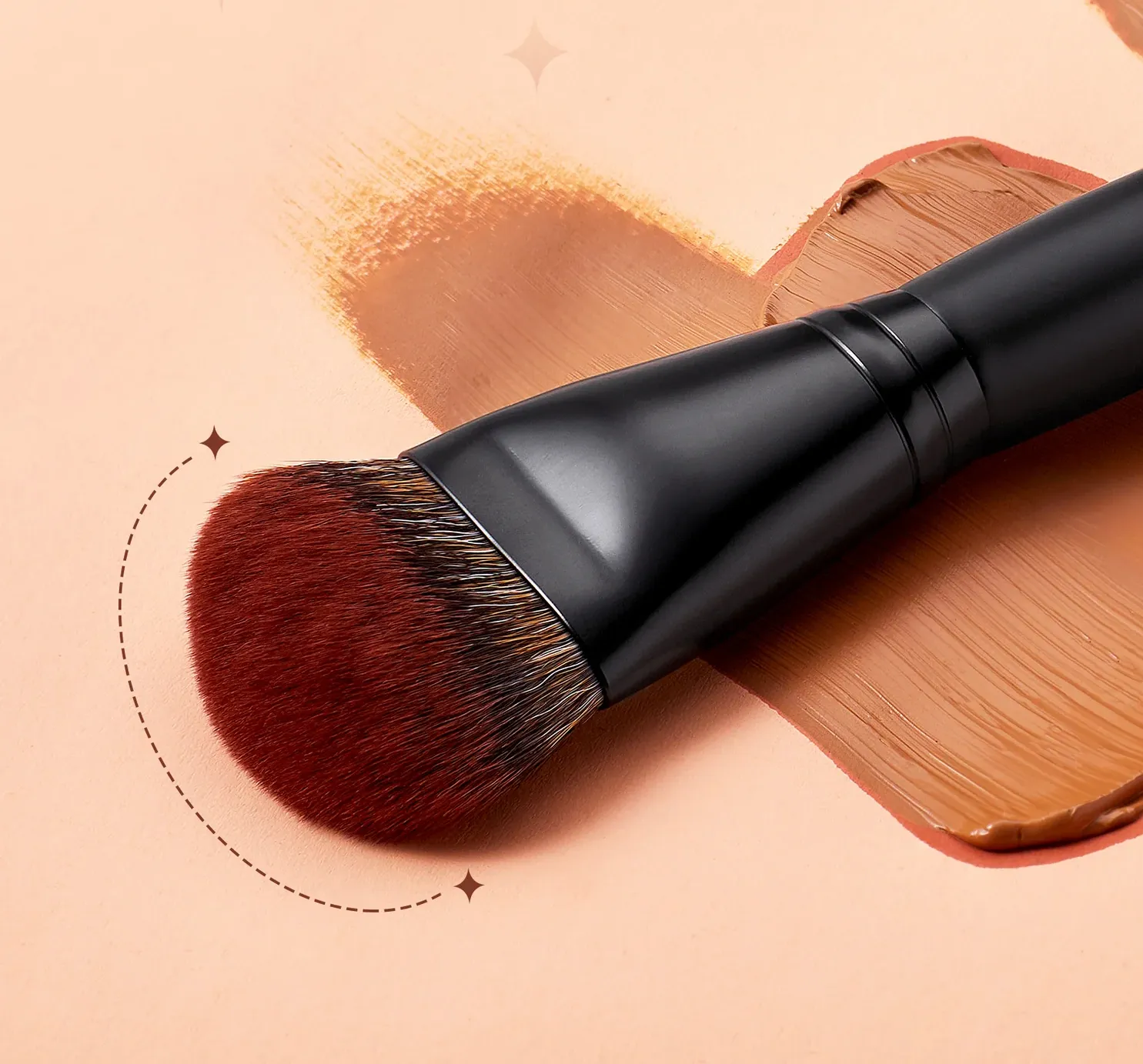
Complete OEM sourcing guide for foundation brushes. Stable annual output over 1,000,000 pcs, strict control on production craftsmanship, adhesive glue and performance testing for beauty brands worldwide.
Foundation Brush OEM Guide | Private Label Foundation Brush Manufacturer
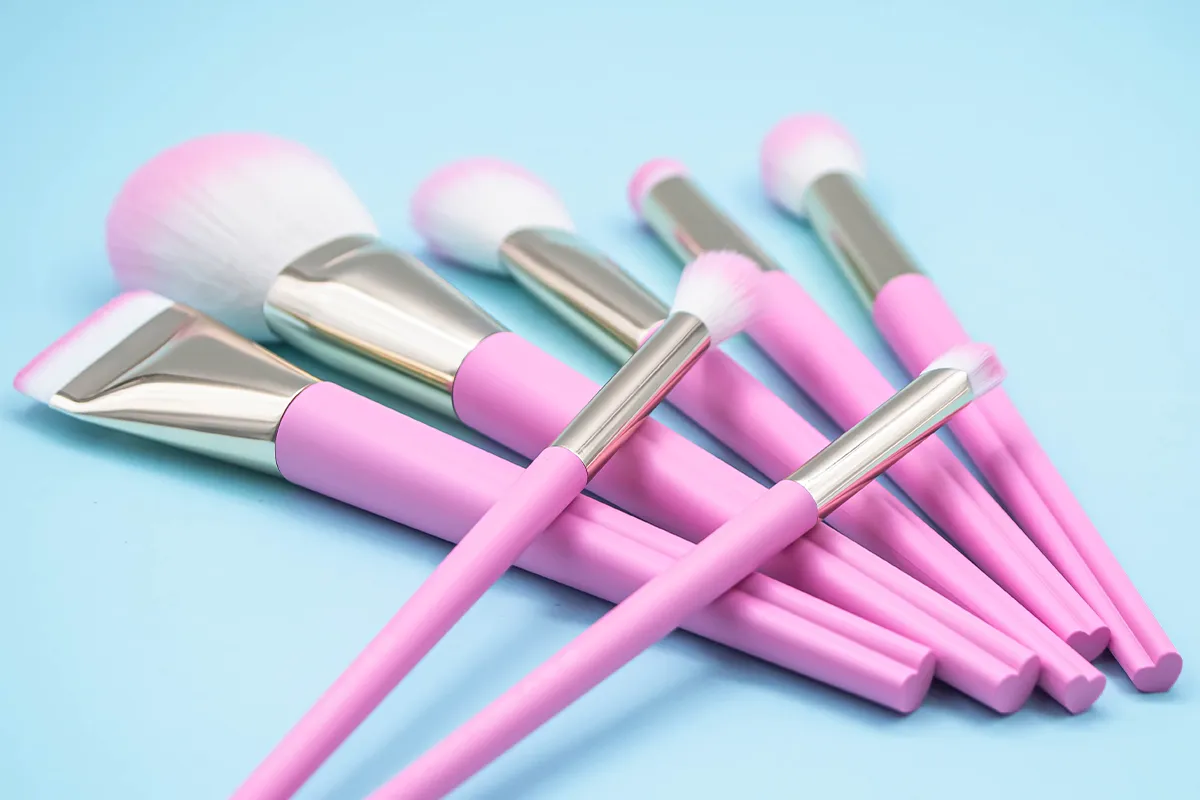
One factory, one quality system, one compliance pack. How makeup brushes, hair brushes, makeup bags, lash tools and mirrors work together in a 2026 B2B program.
The One-Stop Beauty Tools Sourcing Guide

CONTACT US

+86 769 81900169

sales@faybrush.com

#172 Huancun Rd, Jinxiaotang Zhutang, Fenggang, Dongguan, 523681 China