
What Are Makeup Sponges Made Of?
author: Fay Brush
2025-12-19
A Complete Guide to Sponge Materials, Quality & Top Picks
When it comes to achieving a flawless makeup finish, makeup sponges (also known as beauty blenders) are indispensable tools for both makeup enthusiasts and professionals. But have you ever wondered what these tiny, soft tools are made of? The material and manufacturing process of makeup sponges directly affect their performance, durability, and even safety for your skin. In this guide, we’ll dive deep into the core components of makeup sponges, explore how they’re made, teach you to distinguish high-quality from low-quality options, and share the best beauty blenders worth investing in.
1. What Are Makeup Sponges Made Of?
The majority of makeup sponges on the market are crafted from two primary materials: latex (natural or synthetic) and non-latex (mostly polyurethane foam). Each material has unique properties that influence how the sponge applies makeup, feels on the skin, and lasts over time. Below is a detailed breakdown of each:
1.1 Latex Sponges
Latex is a traditional material used in makeup sponges, derived from the sap of the rubber tree (for natural latex) or synthesized chemically (for synthetic latex).
Key Characteristics:
-
High elasticity: Latex sponges can expand significantly when wet and bounce back to their original shape quickly, making them ideal for blending liquid and cream makeup.
-
Affordable: Natural and synthetic latex are relatively low-cost materials, so latex sponges are often budget-friendly options.
-
Good absorption control: They absorb just the right amount of product, ensuring minimal waste while delivering smooth coverage.
Note: Natural latex can cause allergic reactions in people with latex sensitivity. Always check the product label if you have allergies.

1.2 Non-Latex Sponges (Polyurethane Foam)
Non-latex sponges, typically made from polyurethane foam (PU foam), have become increasingly popular in recent years, especially among those with latex allergies. They are also known as “beauty blenders” (a term popularized by the iconic Beauty Blender brand).
Key Characteristics:
-
Hypoallergenic: Since they contain no latex, they are safe for sensitive skin and allergy-prone users.
-
Ultra-soft texture: PU foam sponges have a plush, velvety feel that glides smoothly over the skin, reducing irritation.
-
Excellent blending ability: They are designed to “bounce” makeup into the skin rather than dragging it, creating an airbrushed, seamless finish.
-
Varied densities: High-density PU foam sponges are more durable and hold their shape better, while low-density ones are softer but may wear out faster.
Subtype: Microfiber Sponges – A variation of non-latex sponges, microfiber sponges are made from ultra-fine synthetic fibers. They are known for their exceptional ability to blend powder makeup (such as foundation, blush, and setting powder) and can also be used with liquid products. They have a slightly different texture, feeling more like a soft cloth than traditional foam.
2. Manufacturing Process of Makeup Sponges
The production of makeup sponges involves several key steps, and the precision of these steps directly impacts the quality of the final product. Here’s a step-by-step overview of the most common manufacturing processes for latex and non-latex sponges:
2.1 Manufacturing Process for Latex Sponges
-
Material Preparation: Natural latex sap is collected from rubber trees and filtered to remove impurities. Synthetic latex is created by polymerizing chemicals (such as styrene-butadiene) in a laboratory.
-
Foaming: The latex is mixed with a foaming agent (like sodium lauryl sulfate) and whipped to create a frothy mixture. This step determines the sponge’s porosity and softness.
-
Molding: The foamy latex mixture is poured into molds of various shapes (round, teardrop, wedge, etc.). The molds are then heated to cure the latex, allowing it to harden and retain the mold’s shape.
-
Trimming & Cleaning: Once cured, the sponges are removed from the molds and trimmed to remove any excess material. They are then washed thoroughly to remove residual chemicals and foaming agents.
-
Drying & Quality Control: The sponges are dried in a controlled environment to prevent mold growth. Finally, they undergo quality checks to ensure they meet elasticity and texture standards.

2.2 Manufacturing Process for Non-Latex (PU Foam) Sponges
-
Material Preparation: Polyurethane resin is mixed with a blowing agent (to create foam), a catalyst (to speed up curing), and other additives (for softness and durability).
-
Foaming & Curing: The mixture is poured into molds and heated. The blowing agent releases gas, creating bubbles that form the sponge’s porous structure. The resin cures and hardens into the desired shape.
-
Washing & Sanitizing: Non-latex sponges are washed with water and mild detergents to remove any residual chemicals. This step is crucial for ensuring the sponge is safe for skin contact.
-
Shaping & Finishing: The cured sponges are trimmed to refine their shape. Some high-end sponges undergo additional processes, such as air-drying in a sterile environment, to enhance their quality.
-
Quality Control: Each sponge is inspected for density, softness, and structural integrity. Defective products (e.g., those with uneven pores or tears) are discarded.
3. How to Distinguish High-Quality vs. Low-Quality Makeup Sponges
Not all makeup sponges are created equal. A high-quality sponge will blend makeup effortlessly, last longer, and be gentle on your skin, while a low-quality one may cause streaks, absorb too much product, or irritate your skin. Here are the key factors to look for when judging quality:

3.1 Check the Material
-
High-Quality: Uses premium natural latex (if latex-based) or high-density PU foam (if non-latex). The material should feel soft and plush, not rough or grainy.
-
Low-Quality: Uses cheap synthetic latex or low-density PU foam. May feel hard, brittle, or overly porous (leading to excessive product absorption).
3.2 Test Elasticity & Bounce
When wet, a good makeup sponge should expand significantly (2-3 times its dry size) and regain its shape quickly when squeezed.
-
High-Quality: Excellent elasticity – bounces back immediately after squeezing, no permanent deformation.
-
Low-Quality: Poor elasticity – stays squished after squeezing, or tears easily when stretched.
3.3 Inspect Porosity
The pores of a makeup sponge should be small, uniform, and dense.
-
High-Quality: Uniform small pores that allow for even product distribution and minimal absorption. When you apply makeup, the product sits on top of the sponge (rather than being sucked in) and blends smoothly.
-
Low-Quality: Large, uneven pores that absorb excessive product (wasting makeup) and leave streaks on the skin. May also trap dirt and bacteria easily.
3.4 Smell & Safety
-
High-Quality: No strong chemical odor. Made from skin-safe materials that are free of harmful substances (e.g., phthalates, parabens).
-
Low-Quality: Strong, unpleasant chemical smell (indicates residual toxins from manufacturing). May cause skin irritation or breakouts.
4. Best Beauty Blenders: Top Recommendations
Based on material quality, manufacturing precision, and user reviews, here are the best beauty blenders worth adding to your makeup kit:
4.1 Best Overall: Beauty Blender Original

The iconic Beauty Blender Original is the gold standard of non-latex makeup sponges. Made from high-density PU foam, it’s hypoallergenic, ultra-soft, and designed with a teardrop shape (perfect for precise application around the eyes and nose, and broad coverage on the cheeks). It expands significantly when wet, blends makeup seamlessly, and minimizes product waste. Ideal for liquid, cream, and powder products.
4.2 Best Budget Option: Real Techniques Miracle Complexion Sponge
For a high-quality sponge at an affordable price, the Real Techniques Miracle Complexion Sponge is a top choice. Made from latex-free PU foam, it features a multi-shaped design (rounded base for full coverage, pointed tip for detail work) and has excellent elasticity. It blends makeup smoothly, is easy to clean, and lasts for several months. A favorite among makeup beginners and professionals alike.
4.3 Best for Sensitive Skin: EcoTools Precision Blender Sponge

The EcoTools Precision Blender Sponge is made from 100% vegan, latex-free PU foam that’s gentle on sensitive skin. It’s designed with a small, pointed tip for precise blending (e.g., under-eye concealer, contour) and a soft, dense texture that won’t irritate. The brand is also eco-friendly, using recycled materials for packaging. Perfect for those with sensitive skin or allergies.
4.4 Best for Powder Makeup: Sephora Collection Pro Microfiber Sponge
If you primarily use powder makeup (foundation, blush, setting powder), the Sephora Collection Pro Microfiber Sponge is a game-changer. Made from ultra-fine microfiber (a type of non-latex material), it picks up just the right amount of powder and blends it into the skin for a natural, matte finish. It’s also suitable for liquid products, making it versatile. The sponge is soft, durable, and easy to clean.
5. Conclusion
In conclusion, the material and manufacturing process of makeup sponges are the key factors that determine their performance and quality. Whether you choose a latex or non-latex sponge, opt for high-quality options with uniform pores, excellent elasticity, and no harmful odors. The best beauty blenders listed above are sure to help you achieve a flawless makeup finish every time!
Contact us to custom your own makeup sponges, we are professional manufacturer who provide one-stop solution from product development to shipping, and the best quality at most competitive price.
The Best Dual Ended Brushes of 2025
Types, Benefits & How to Use Face Mask Applicators
Related Article
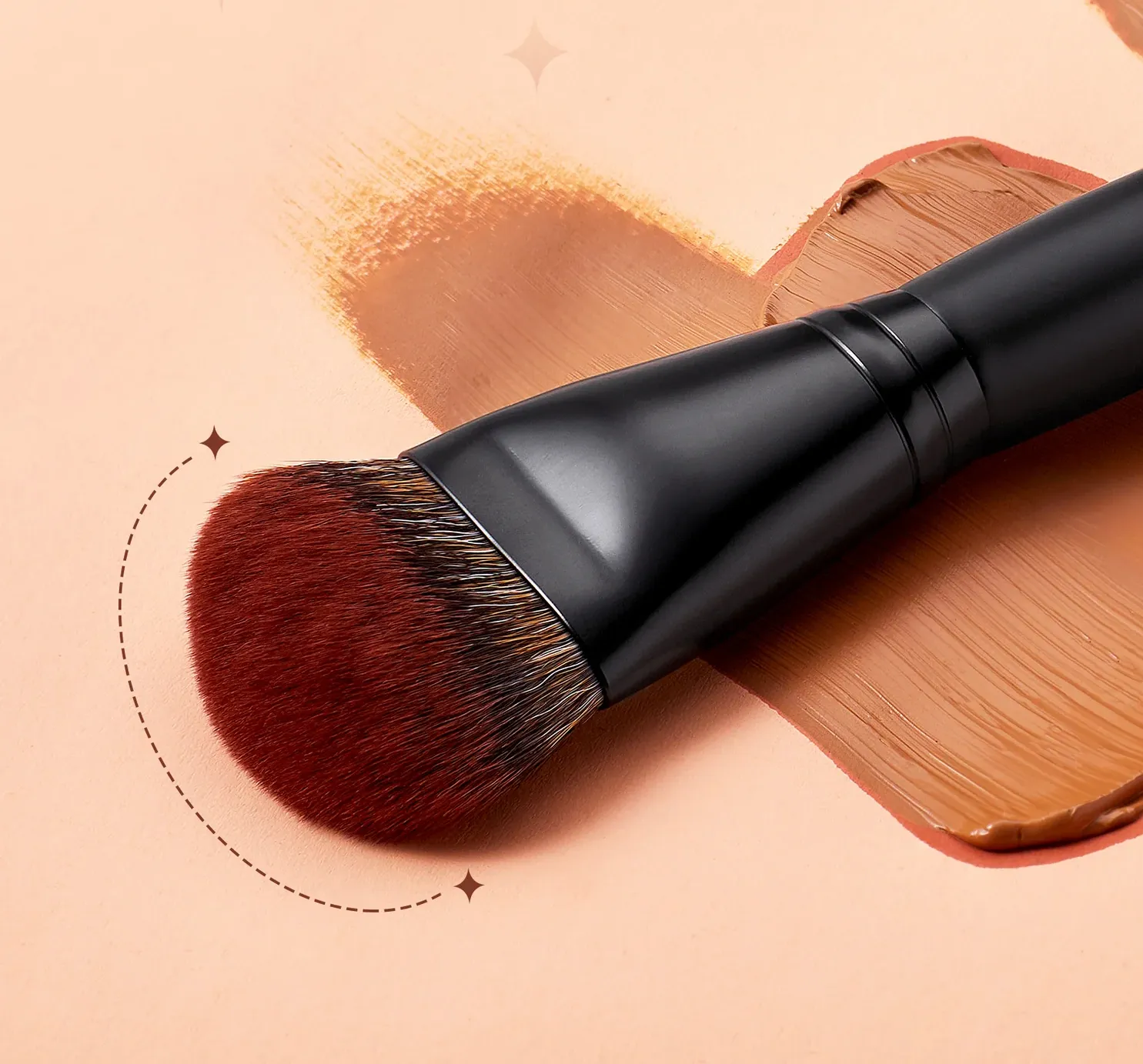
Complete OEM sourcing guide for foundation brushes. Stable annual output over 1,000,000 pcs, strict control on production craftsmanship, adhesive glue and performance testing for beauty brands worldwide.
Foundation Brush OEM Guide | Private Label Foundation Brush Manufacturer
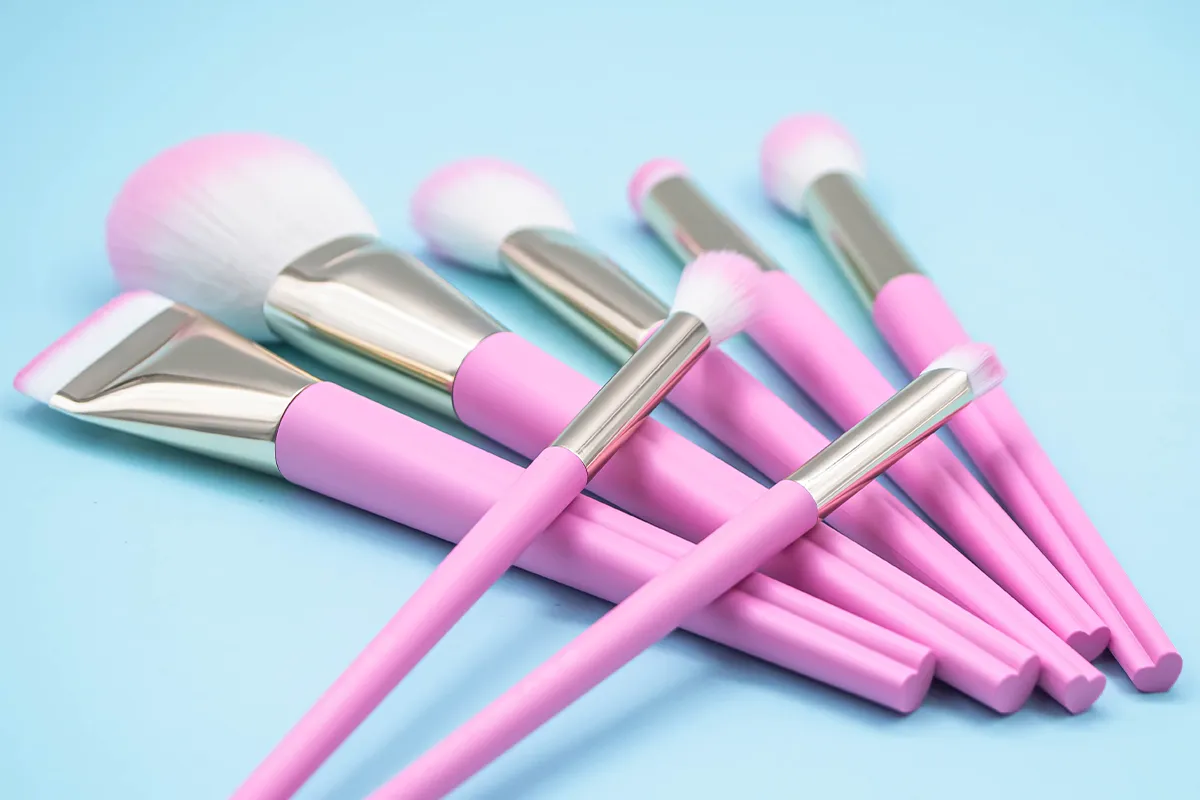
One factory, one quality system, one compliance pack. How makeup brushes, hair brushes, makeup bags, lash tools and mirrors work together in a 2026 B2B program.
The One-Stop Beauty Tools Sourcing Guide

CONTACT US

+86 769 81900169

sales@faybrush.com

#172 Huancun Rd, Jinxiaotang Zhutang, Fenggang, Dongguan, 523681 China