The Makeup Brush Ferrule Guide and Why This Part Decides Brush Life
The Part Nobody Talks About — Until It Fails
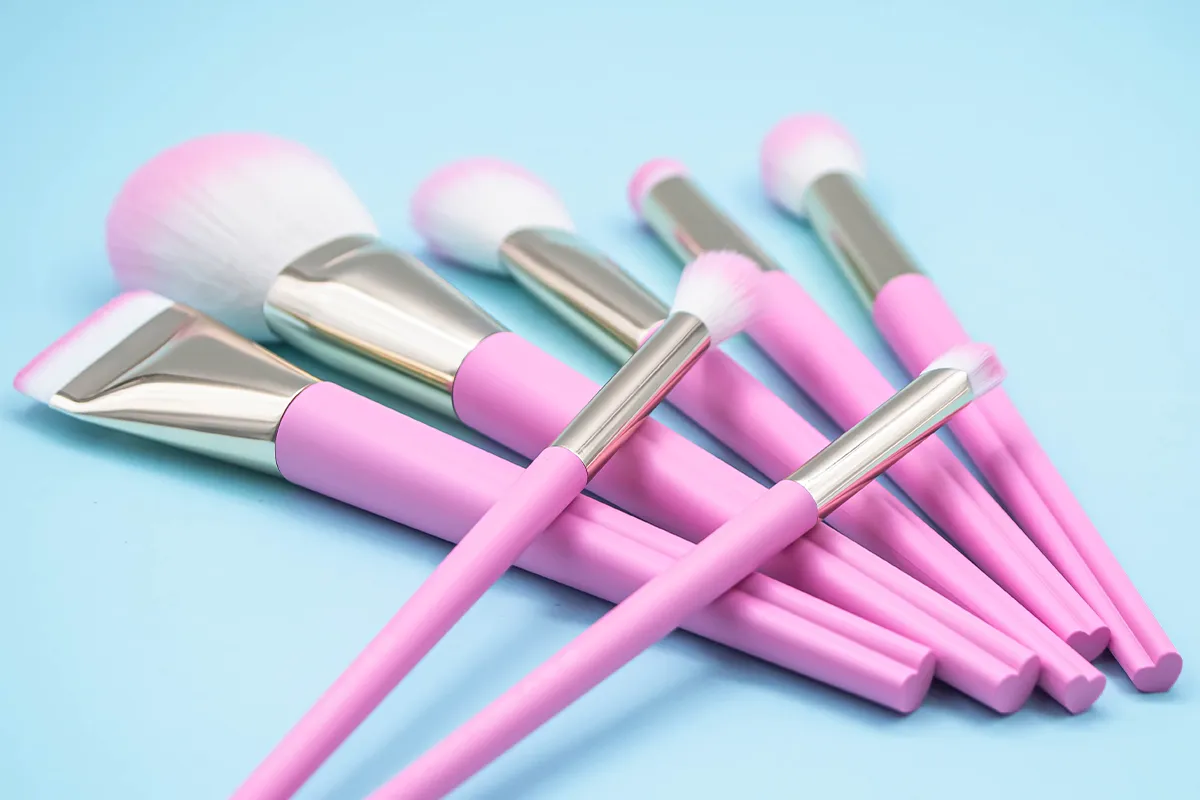
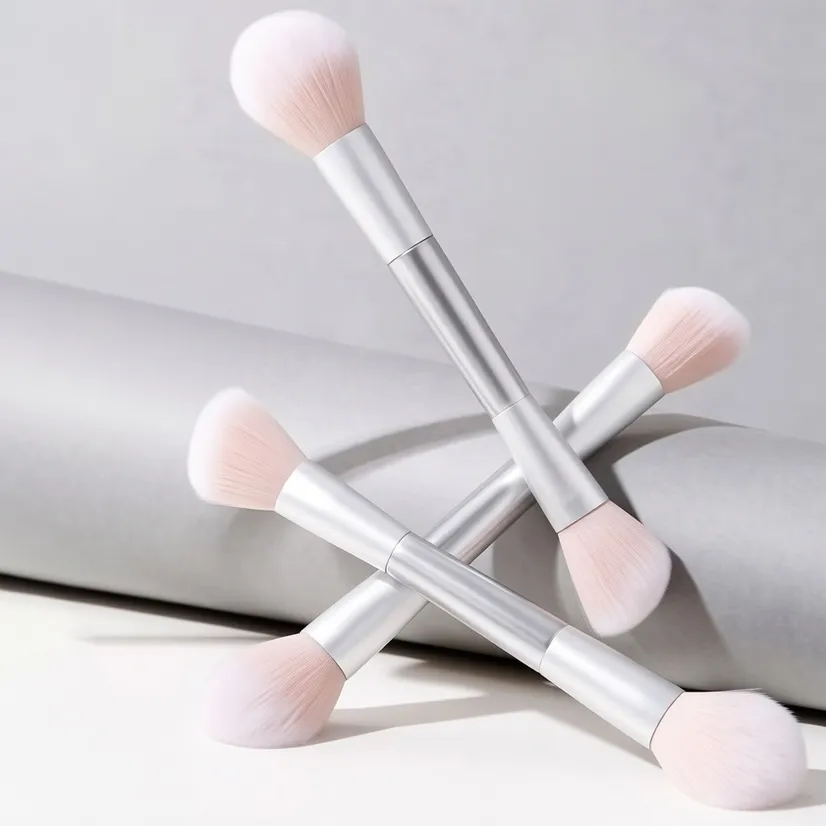
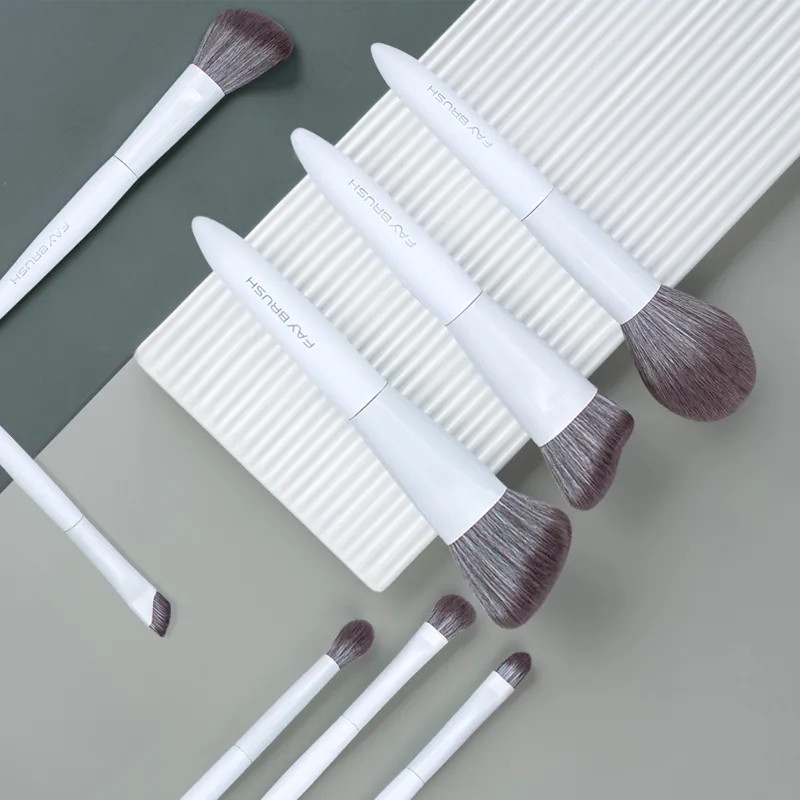
Pick up any makeup brush and look at the metal band connecting the bristles to the handle. That is the ferrule — and in sixteen years of OEM manufacturing, we can tell you exactly how often buyers ask about it during the first meeting: almost never. How often do they ask about it after a quality problem? Every single time.
It is understandable. The bristle determines the application experience (see our brush bristle materials guide), and the handle determines the brand feel (see our handle materials guide). The ferrule is the quiet third component — but it is the structural keystone of the entire brush. It anchors the bristle bundle to the handle, absorbs all the torque of daily use and washing, and is the number-one failure point behind bristle shedding and loose heads.
For B2B buyers, ferrule choice moves three levers at once: unit cost, product weight, and projected lifespan. This guide covers the four mainstream ferrule materials, the crimping methods that hold everything together, and the specification details that separate a brush that survives 200 washes from one that fails at 20.
Ferrule Materials Compared: The Big Four
Aluminum: The Volume Workhorse
Anodized aluminum is the most common ferrule material in the global market, and for good reason. It is light, inexpensive, and takes color anodizing exceptionally well — which is why nearly every pastel or matte-colored ferrule you see on Instagram is aluminum.
The trade-offs are mechanical. Aluminum is soft, with roughly one-third the tensile strength of brass. Thin-walled aluminum ferrules dent easily when dropped, and the crimp holds have less "bite" into the material, meaning poorly executed crimps loosen faster over repeated washing cycles. For budget sets, travel kits, and high-SKU-count orders (where unit cost is decisive), aluminum remains the correct engineering choice — you simply spec a slightly thicker wall (0.30–0.35 mm instead of 0.25 mm) to compensate.
Copper/Brass: The Premium Structural Choice
Brass — typically a copper-zinc alloy such as H62 or H65 — is the ferrule material you will find on professional and prestige brushes. It is dense, rigid, and holds crimps with a mechanical grip that aluminum cannot match. A well-made brass ferrule with proper epoxy anchoring is effectively the reason a Japanese or French professional brush survives a decade of daily professional washing.
The costs are literal: brass is typically 2–4× the material cost of aluminum and noticeably heavier. On a large powder brush, a brass ferrule can add 8–12 grams of total brush weight — a real consideration for face brushes, where balance matters. Most prestige brands accept this because weight reads as quality in the hand, especially on eye brushes and precision tools where the ferrule is small and the weight penalty is negligible.
Side-by-Side Comparison
| Property | Anodized Aluminum | Copper/Brass (H62/H65) |
|---|---|---|
| Relative cost | $$ (baseline) | $$ (2–4×) |
| Weight | Very light | Heavy |
| Color options | Wide (anodize) | Plated: gold/nickel/gunmetal |
| Typical use | Mid-market sets, color ferrules | Prestige, professional lines |
Finish: Where Spec Meets Brand
For metal ferrules, the plating layer is both aesthetic and protective:
- Nickel plating — the silver standard finish; neutral, durable, hypoallergenic-friendly
- Gold/champagne plating — the prestige default; verify plating thickness (≥0.15 µm) to prevent tarnishing and skin-contact discoloration, especially for markets with strict cosmetics-adjacent regulations such as the EU
- Gunmetal/black plating — matte-black ferrules dominate the minimal-design trend; note that dark plating shows micro-scratches more readily, so specify a protective topcoat
- Anodized color (aluminum only) — unlimited color matching, but anodizing softens surface hardness slightly
- Matte color (aluminum only) — certain matte‑finish tubes need spray‑coating, which is only feasible for aluminum tubes
How Ferrule Choice Interacts With Total Brush Design
The ferrule never exists in isolation. Three interactions to keep in mind when finalizing spec:
- Weight balance with handle material: A heavy brass ferrule pairs well with a lighter wood or resin handle (see our handle materials guide); pairing brass with a heavy solid-wood handle can make a large face brush feel club-like in the hand.
- Ferrule compatibility: Some customers are very particular about brush sizes. For smaller brushes in particular, you can only get the right result by using copper tubes.
- Set-level consistency: If you are building a multi-piece line, decide ferrule policy at the set-design stage — matching ferrules across a set (our brush set design guide covers the full architecture) is cheaper when specified upfront than when retrofitted.
Source Your Ferrule Spec With the People Who Build Them
Ferrule choice is the kind of quiet engineering decision your customers will never see — and always feel. Whether you are speccing a prestige brass-ferrule line or engineering a competitive aluminum set for social commerce, the fastest way to a correct specification is a factory conversation that starts from component-level detail.
As a makeup brush OEM/ODM manufacturer with in-house ferrule production, Fay Brush supports buyers with material samples and physical testing before mass production. Contact our team to request samples or discuss your brush specification.
Frequently Asked Questions
Q1: Aluminum vs. brass ferrule — which should I choose for a mid-market brush set? For large‑volume orders, aluminum ferrules are recommended. For small‑volume orders, copper ferrules would be a better choice. Of course, product line matching should also be taken into consideration. Aluminum ferrules work best when only a simple anodizing finish is needed. If a glossy finish is required, copper ferrules are the optimal option.
Q2: Why are brushes with aluminum ferrules sometimes also high‑priced? As we all know, aluminum ferrules cost less than copper ferrules. However, due to different customer requirements, additional processes such as electroplating and spray painting may be required on the ferrule, which will significantly raise costs and consequently push up the overall price of the brushes.
Q3: What tolerance should ferrule-to-handle fit have? Typically ±0.1 mm on the handle tenon diameter relative to the ferrule inner diameter. Too loose and the crimp cannot grip; too tight and assembly forces micro-cracks in both parts. This tolerance is one of the easiest things to verify during a factory QC inspection — bring calipers.
Makeup Brush Handle Materials Guide: OEM Comparison for Brands
Related Article