All You Need to Know About Powder Makeup Puff
author: Fay Brush
2025-10-23
What Is a Powder Makeup Puff?
A powder makeup puff is a soft, padded tool designed specifically for applying loose powder, pressed powder, or setting powder onto the face. Unlike brushes, which can sometimes disperse too much product or leave streaks, puffs are known for their ability to press powder gently into the skin, creating a seamless, natural-looking finish. They come in various shapes, sizes, and materials, but their main purpose remains consistent: to help you achieve a smooth, matte, or dewy (depending on the powder type) complexion.
Traditionally, powder puffs were made from materials like cotton or down feathers, but modern versions often use synthetic fabrics such as velvet, microfiber, or sponge. The soft texture ensures that the powder adheres evenly to the skin without causing irritation, making them suitable for all skin types, including sensitive skin.
How to Clean Powder Makeup Puff?

Keeping your powder puff clean is essential for two main reasons: hygiene and performance. A dirty puff can harbor bacteria, oil, and old makeup residue, which can lead to breakouts or skin irritation. Additionally, a clean puff applies powder more evenly, as buildup can clump the product and ruin your makeup look. Here’s a step-by-step guide to cleaning your powder puff:
Step 1: Gather Your Supplies
You’ll need: a mild cleanser (such as baby shampoo, gentle facial cleanser, or makeup brush cleaner), warm water, a clean towel, and a drying rack (optional).
Step 2: Pre-Treat the Puff
Rinse the puff under warm water to dampen it. Avoid using hot water, as it can damage the material and cause the puff to lose its shape.
Step 3: Apply Cleanser and Lather
Apply a small amount of mild cleanser to the puff. Gently massage the surface in circular motions to work up a lather. Pay extra attention to areas with heavy makeup buildup, like the center of the puff.
Step 4: Rinse Thoroughly
Rinse the puff under warm water until all the soap and makeup residue is gone. Squeeze out excess water gently—do not wring or twist the puff, as this can damage the padding.
Step 5: Dry Properly
Pat the puff with a clean towel to remove excess moisture. Then, lay it flat on a drying rack or a clean, dry surface to air-dry completely. Avoid hanging the puff, as this can stretch it out. Make sure the puff is fully dry before using it again—usually 24-48 hours— to prevent mold growth.
How Often Should You Clean It?
For optimal hygiene, it’s recommended to clean your powder puff every 1-2 weeks if you use it daily. If you use it less frequently, you can clean it once a month. Remember, a clean puff is a happy (and healthy) puff!
The Types of Powder Makeup Puff
Not all powder puffs are created equal. Different types are designed for specific uses, so choosing the right one can enhance your makeup routine. Here are the most common types of powder puffs:
1. Velvet Powder Puff

The velvet powder puff is one of the most popular types. It has a soft, plush texture that feels luxurious on the skin. Velvet puffs are excellent for applying pressed powder or loose powder, as they pick up just the right amount of product and blend it evenly. They’re ideal for achieving a matte, airbrushed finish, making them a favorite among makeup artists.
The round shape is the classic choice. Its symmetrical design makes it perfect for large areas like cheeks, forehead, and chin. The soft, full edge presses powder evenly into the skin, delivering a smooth, matte finish. It’s ideal for daily full-face makeup and fits easily into most powder compacts.
Triangle powder puffs are very popular recently. The sharp shape reach tight spots: around the nose, under the eyes, and along the hairline. The flat surface also works well for pressing powder onto the T-zone to control shine. They’re a favorite for detailed makeup looks that need uniform coverage.
2. Sponge Powder Puff
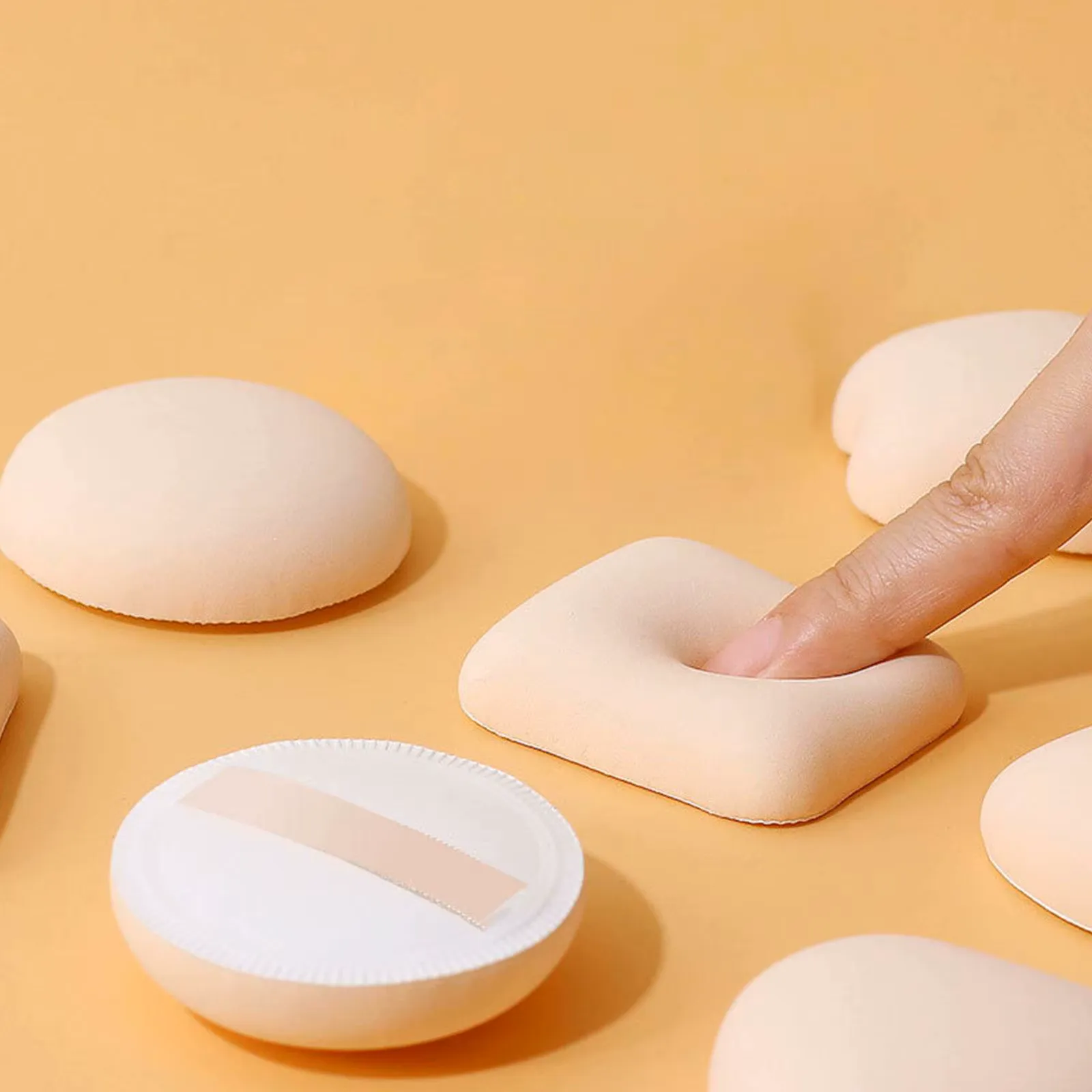
Made from soft sponge material (often latex-free), the sponge powder puff is great for pressing powder into the skin, especially in areas that need more coverage, like the T-zone. It’s also perfect for touch-ups throughout the day, as it can easily pat away shine without disturbing your existing makeup. Sponge puffs are usually more compact, making them travel-friendly.
3. Cotton Powder Puff
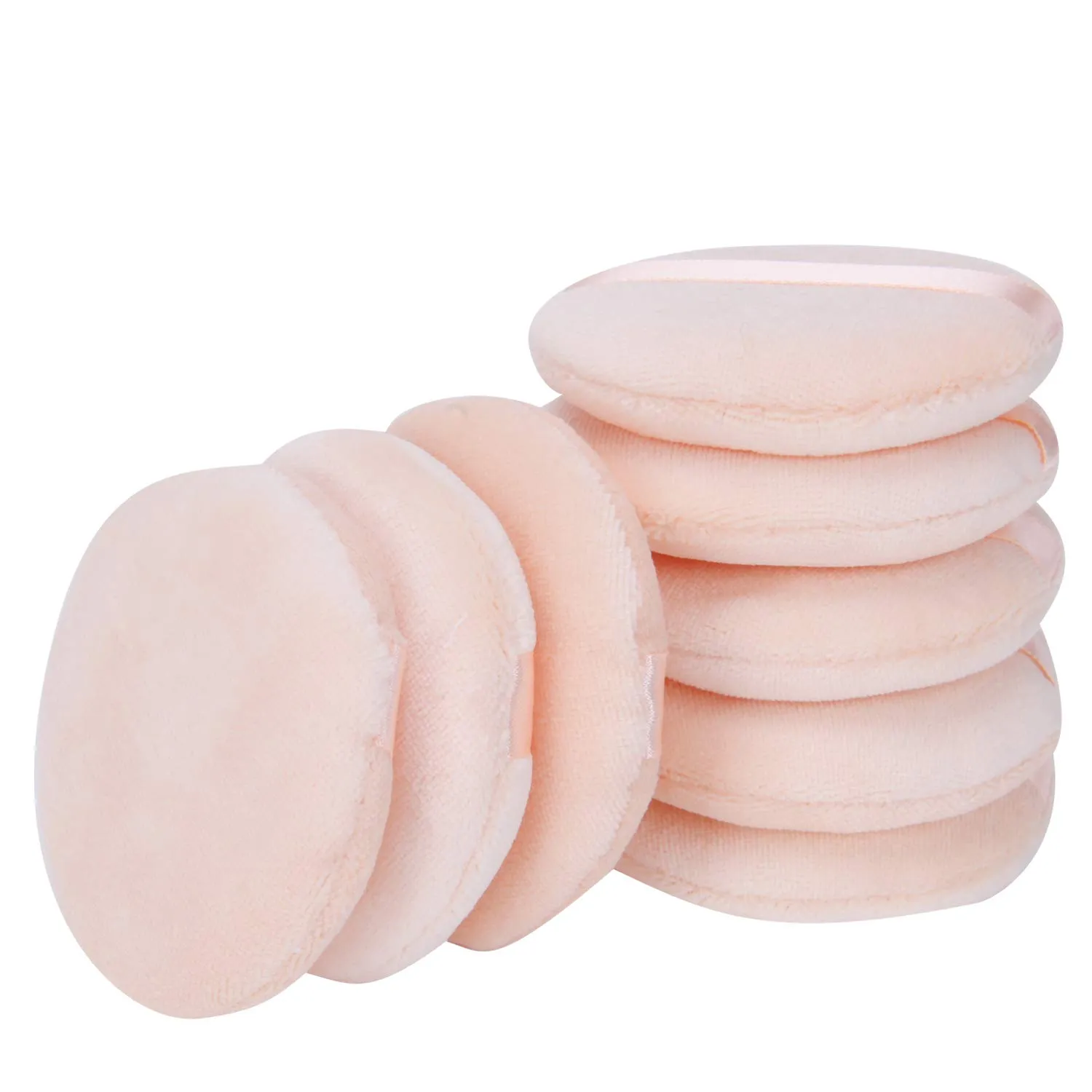
The cotton powder puff is a classic option. It’s lightweight and absorbent, making it suitable for applying loose powder. Cotton puffs are often disposable or come in packs, which is convenient for those who prefer not to clean their tools frequently. However, they may not last as long as synthetic options and can sometimes leave a slight cotton residue on the skin.
4. Silicone Powder Puff
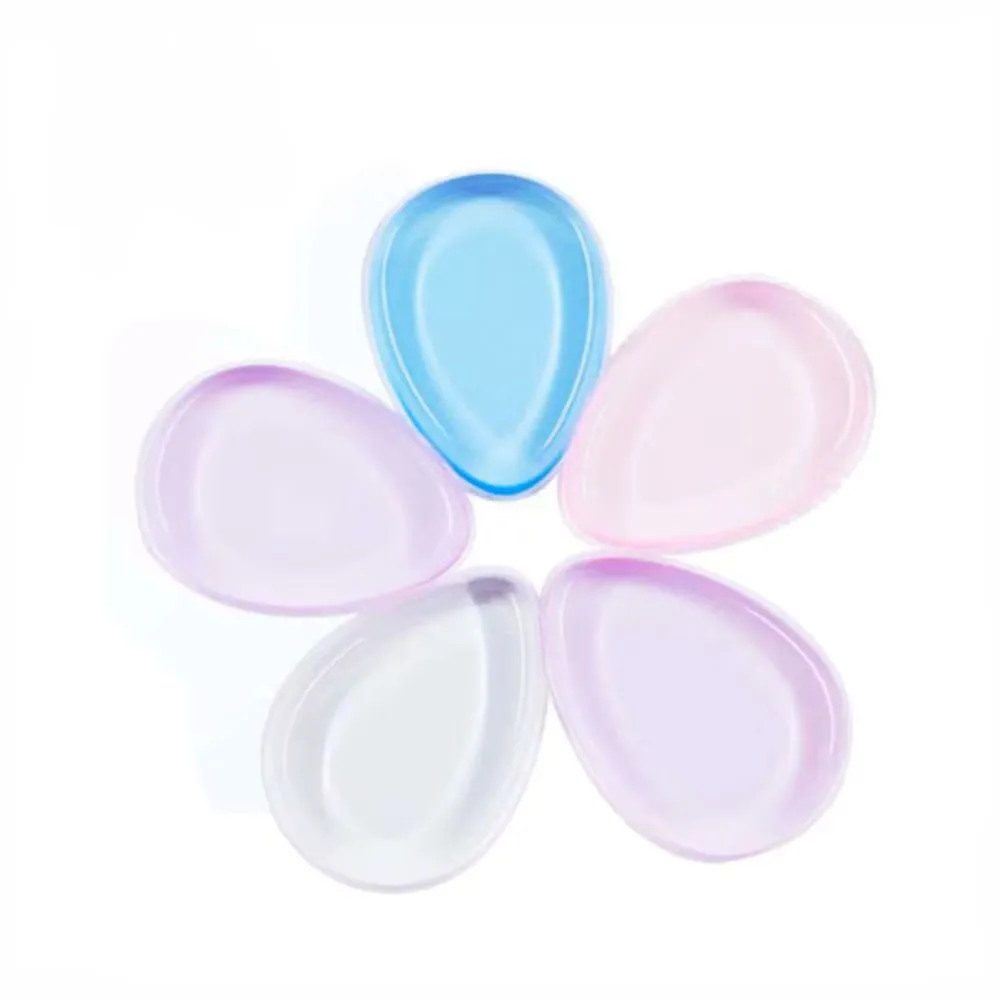
A newer addition to the powder puff family, the silicone powder puff has a smooth, non-porous surface. It’s designed to pick up minimal product, making it ideal for those who want a light, sheer finish. Silicone puffs are easy to clean (simply wipe them with a damp cloth) and are resistant to bacteria, making them a hygienic choice. They work best with loose powder or setting powder.
Conclusion: Choose the Right Puff for Your Routine
The powder makeup puff is a versatile tool that can elevate your makeup game. Whether you’re a makeup novice or a pro, understanding what a powder puff is, how to clean it, and the different types available will help you achieve the perfect finish every time. So, next time you reach for your powder, don’t forget to pair it with the right puff—your skin (and your makeup) will thank you!
The Uses and Best of Professional Cosmetic Brush Sets
FAQ about Custom Your Own Brand Makeup Brushes
Related Article
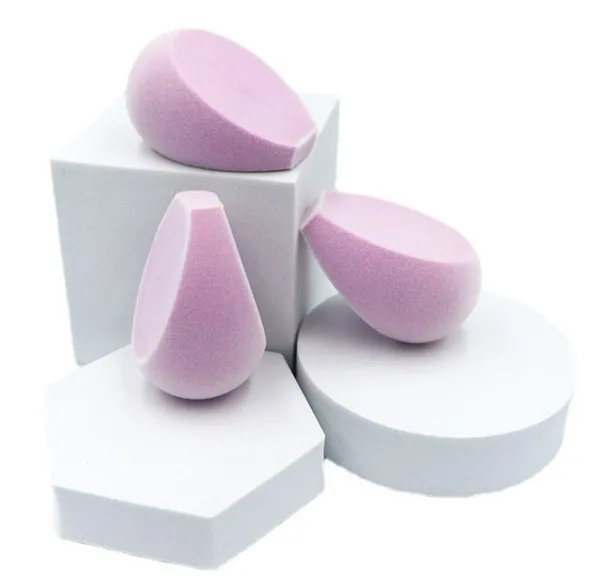
A wholesale buyer's guide to makeup sponges and powder puffs — latex vs latex-free PU, NBR and silicone materials, construction specs, QC tests, and MOQ considerations for OEM orders.
The B2B Sourcing Guide to Makeup Sponges and Powder Puffs
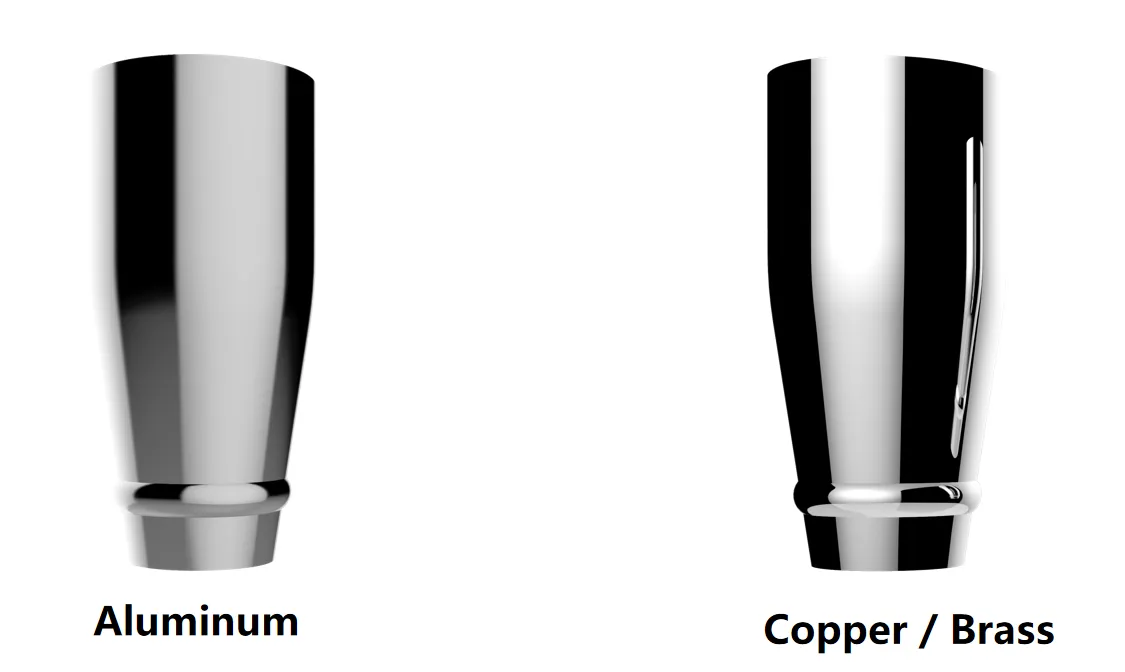
The complete OEM guide to makeup brush ferrules — aluminum vs. copper vs. brass, plating options, crimping types, and how ferrule spec controls cost, weight, and brush lifespan.
The Makeup Brush Ferrule Guide and Why This Part Decides Brush Life


CONTACT US

+86 769 81900169

sales@faybrush.com

#172 Huancun Rd, Jinxiaotang Zhutang, Fenggang, Dongguan, 523681 China