Who's Actually Selling Makeup Brushes in 2026?
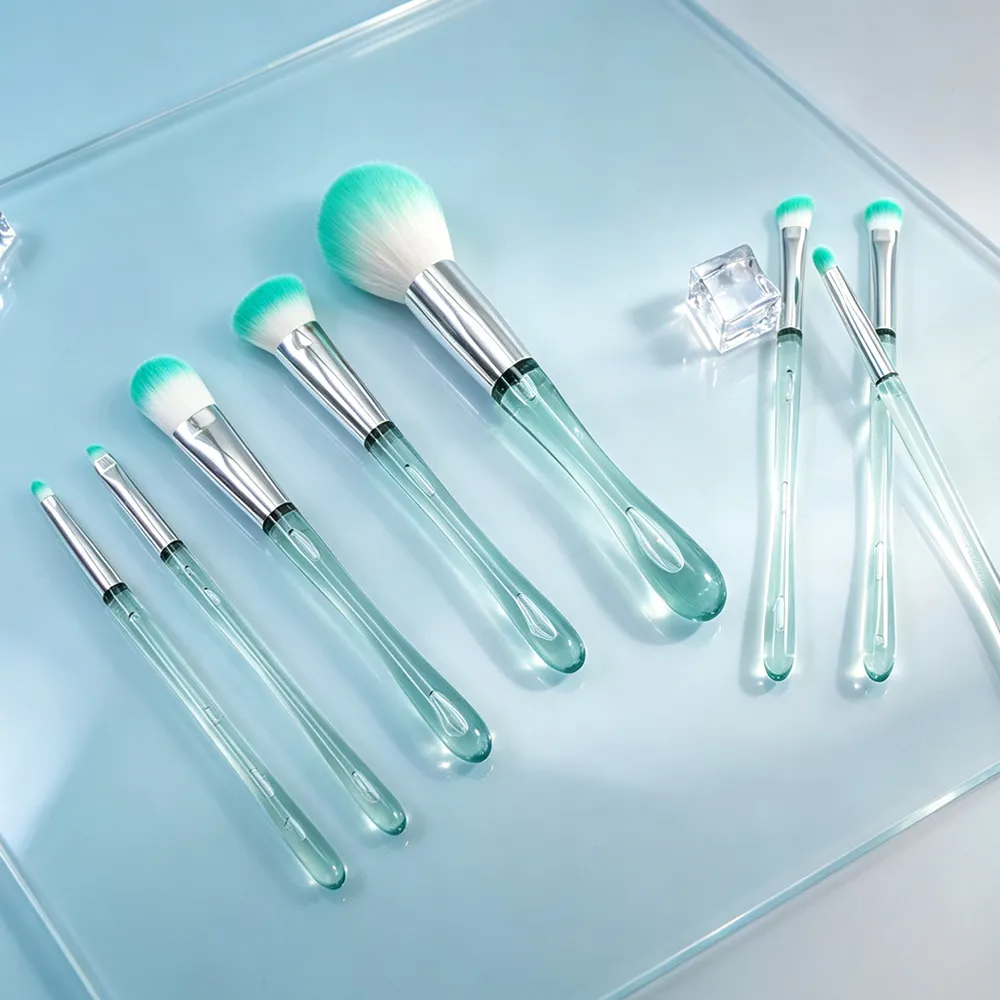
Who's Actually Selling Makeup Brushes in 2026? A Breakdown of the Global Market
The global cosmetics tools industry has undergone a massive transformation. While consumers once relied solely on traditional beauty counters for their applicators, the answer to who is selling makeup brushes in 2026 spans a diverse ecosystem of viral indie brands, mass-market giants, celebrity beauty lines, and agile direct-to-factory manufacturers.
Whether you are a beauty buyer, a brand founder looking for custom private label makeup brushes, or an industry analyst, understanding who controls market share—and how they source their products—is critical to staying competitive.
1. The Traditional Pro & Prestige Powerhouses
Legacy artistry brands continue to hold significant market share, particularly among professional makeup artists (MUAs) and high-end consumers who prioritize longevity and ergonomic precision.
-
MAC Cosmetics & Bobbi Brown: Still staples in professional kits, though they have heavily transitioned away from natural animal hair toward high-grade synthetic fibers to meet global cruelty-free mandates.
-
Sigma Beauty & Morphe: Having matured from early YouTube-era disruptors into established omnichannel retailers, these brands dominate mid-tier prestige spaces with patented waterproof ferrule technologies and targeted eye/face brush sets.
-
Sephora Collection & Ulta Beauty Collection: Retailer-owned private labels have captured massive market share by offering pro-level synthetic brushes at accessible price points right at the point of checkout.
2. Viral Indie Brands & Social-First Sellers
In 2026, social commerce platforms like TikTok Shop and Instagram Checkout drive impulse beauty purchases. Indie brands have capitalized on hyper-specific, single-brush hero products rather than massive 24-piece rolls.
Dual-Ended & Multifunctional Brushes
Brands like Rare Beauty, Fenty Beauty, and Saie lead the pack with ergonomic, angled, and dual-ended brushes designed specifically for liquid blushes and cream bronzers. Consumers want tools engineered to match the exact viscosity of modern hybrid skincare-makeup formulas.
Ergonomic & Inclusive Design Innovators
Newer indie players are winning shelf space by focusing on accessibility—introducing weighted handles, magnetic grips, and tactile silicone textures that cater to consumers with limited hand mobility.
3. Mass-Market & Drugstore Dominators
High-volume unit sales in 2026 are still anchored by accessible mass-market leaders found in pharmacies, supermarkets, and Amazon storefronts.
-
Real Techniques & EcoTools: Owned by Paris Presents, these two brands remain the undisputed volume leaders in the drugstore tier, leaning heavily into recycled aluminum ferrules, biodegradable handles, and ultra-plush synthetic Taklon bristles.
-
e.l.f. Cosmetics: By pairing viral $4–$10 brushes with trending cream cosmetics, e.l.f. captures Gen Z and Gen Alpha buyers seeking immediate affordability without sacrificing softness.
4. Direct-to-Consumer (DTC) & Retail-Ready Finished Brands
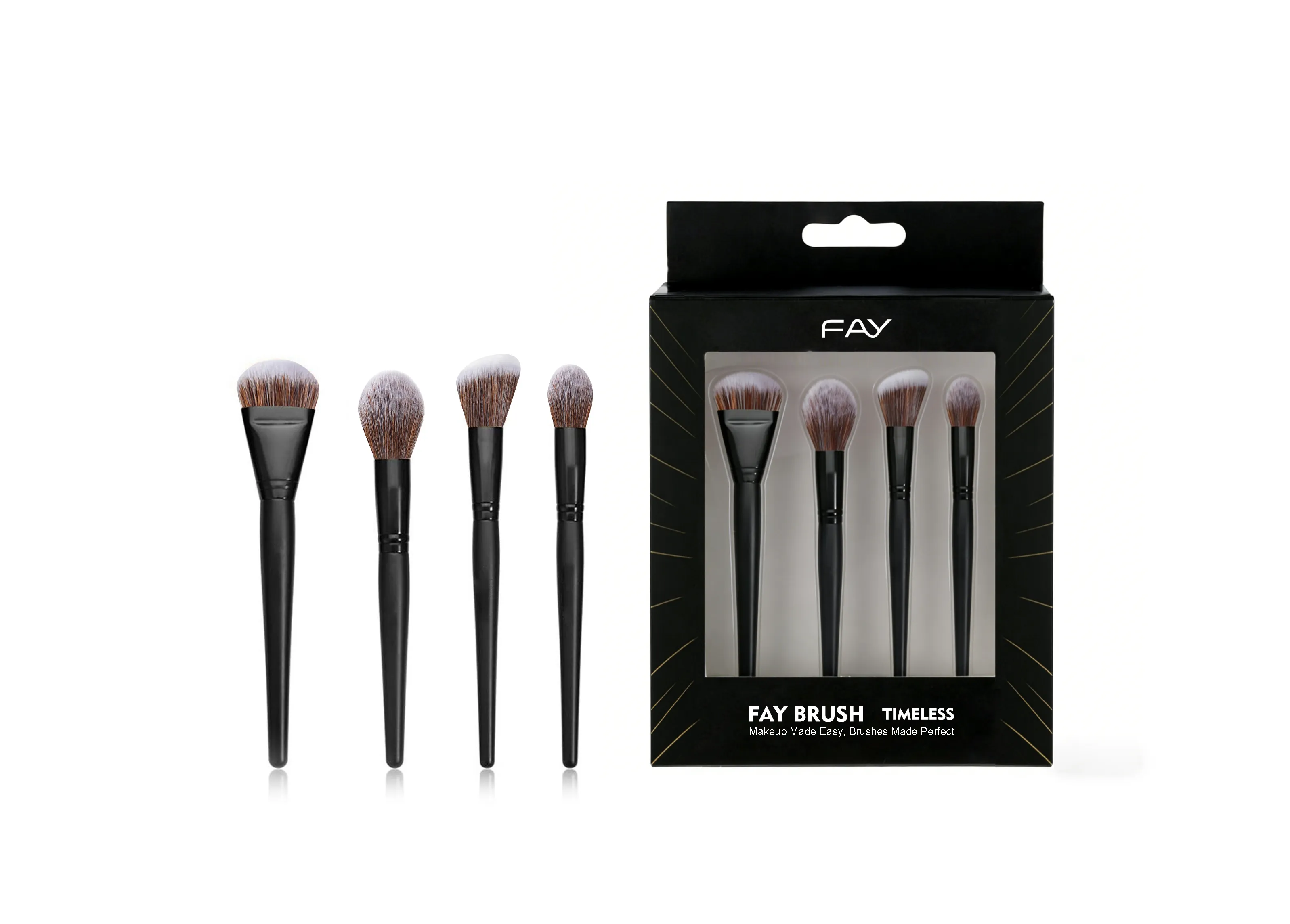
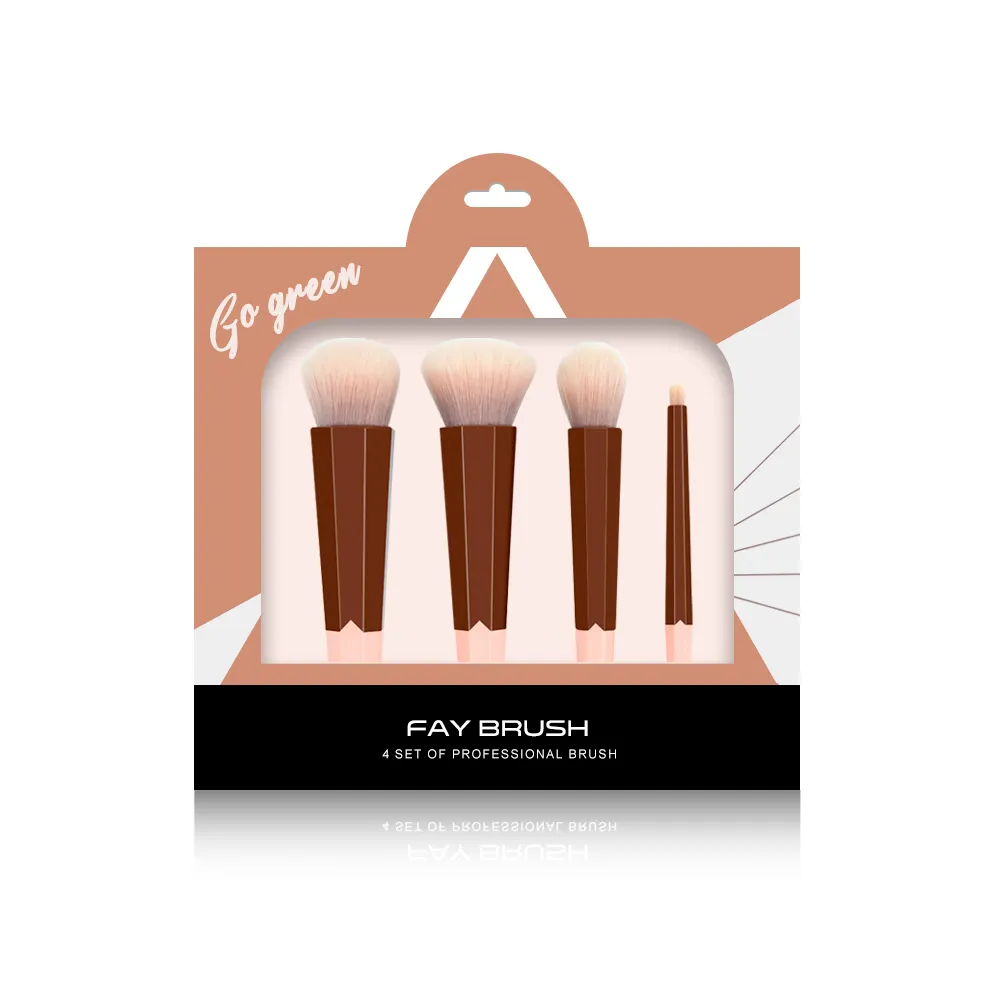
Beyond legacy conglomerates, specialized brand ecosystems are scaling rapidly by controlling both design and retail distribution. For example, consumer-facing collections like those found on Fay Makeup demonstrate how modern beauty labels bridge the gap between salon-grade craftsmanship and everyday consumer accessibility—offering curated brush sets, travel-friendly kits, and skin-safe synthetic fibers directly to end users.
5. Behind the Curtain: Who is Actually Making the Brushes?
A crucial reality of the 2026 beauty industry is that most brands selling makeup brushes do not own factories. Instead, they partner with specialized OEM/ODM makeup brush manufacturers—primarily concentrated in manufacturing hubs like Shenzhen and Dongguan in China, alongside specialized artisanal workshops in Kumano, Japan.
What Modern Brands Demand from Manufacturers in 2026
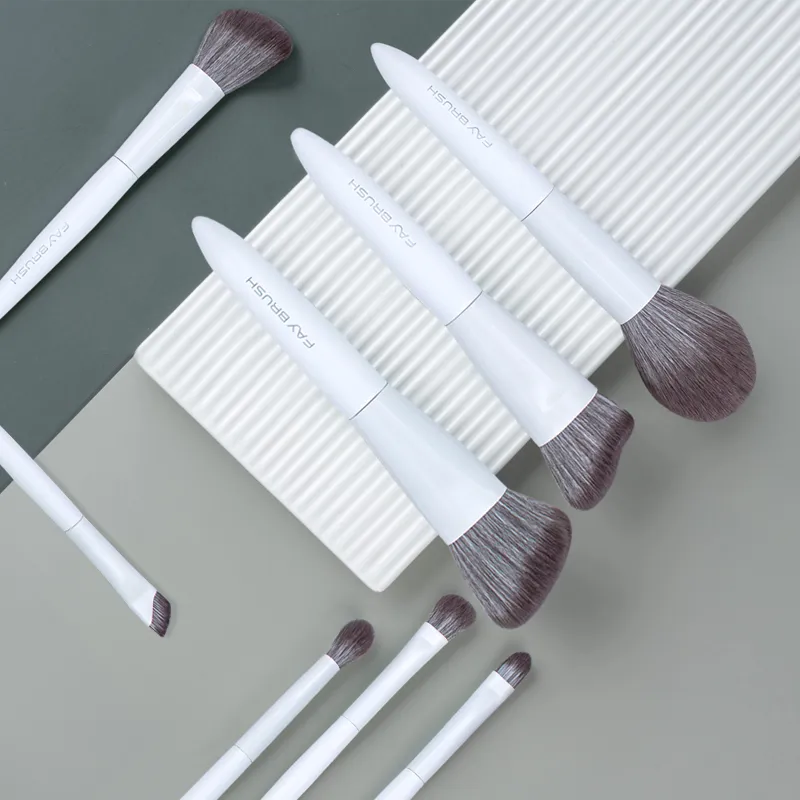
To win contracts with both indie startups and Fortune 500 beauty conglomerates, leading factories like Fay Brush focus on three core pillars:
-
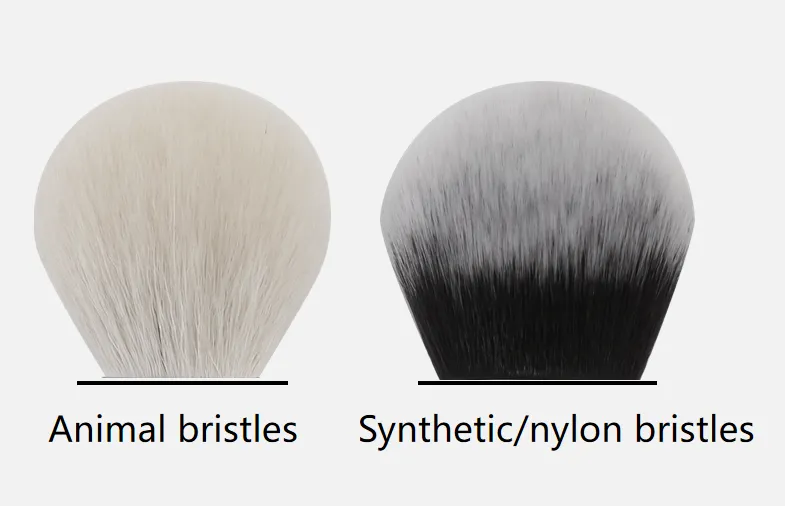
Bionic Synthetic Fibers: Next-generation corn-derived and PBT synthetic bristles that mimic the microscopic cuticle structure of squirrel or goat hair, allowing superior powder pickup without animal cruelty.
-
Sustainable Materials: FSC-certified birchwood handles, post-consumer recycled (PCR) plastics, and water-based non-toxic lacquers.
-
Low-MOQ Customization: Agile production lines that allow emerging beauty founders to launch bespoke ferrule shapes, custom Pantone-matched handles, and engraved branding without prohibitive inventory minimums.
(Want to learn more about how modern factories engineer cruelty-free bristles? Read our guide on sustainable makeup brush manufacturing trends.)
Key Takeaways for Beauty Brands & Buyers
Selling makeup brushes in 2026 is no longer about offering generic, unbranded kits. The winners in today's market succeed by:
-
Pairing tools with formulas: Creating specialized brushes tailored for liquid, cream, or balm textures.
-
Prioritizing sustainability: Eliminating virgin plastics and animal hair in favor of certified eco-friendly components.
-
Partnering with the right supply chain: Working directly with experienced OEM/ODM partners to ensure consistent bristle density, zero shedding, and strict quality control.
Ready to Launch or Upgrade Your Makeup Brush Line?
Whether you are sourcing retail-ready beauty tools or developing a bespoke private-label collection from scratch, partnering with a proven specialist makes all the difference. Explore custom OEM/ODM manufacturing solutions at Fay Brush, or browse finished consumer beauty collections at Fay Makeup to see current market-ready designs in action.
Beauty Device Brush Head OEM
Related Article


CONTACT US

+86 769 81900169

sales@faybrush.com

#172 Huancun Rd, Jinxiaotang Zhutang, Fenggang, Dongguan, 523681 China