How to Choose a Makeup Brush Manufacturer | OEM & Private Label Guide
How to Choose a Makeup Brush Manufacturer: A Complete Guide for Beauty Brand Owners
Intro Finding the right makeup brush manufacturer is one of the most important decisions for beauty brands, private label sellers, makeup artists and e-commerce retailers. A good factory delivers consistent quality, stable lead times, flexible customization and compliant documentation, while a poor supplier may cause shedding issues, delayed shipments and costly product returns. Whether you are launching a new makeup brush line or switching suppliers, this guide walks you through every factor to evaluate before confirming your order. At www.faybrush.com, we specialize in custom and OEM makeup brushes for global beauty brands, with rich experience in private label development. You can also explore more cosmetic tool solutions at www.faymakeup.com.
1. Clarify Your Brand Requirements Before Contacting Factories
Define Your Product Positioning and Target Market Before reaching out to any makeup brush manufacturer, lock down your brand positioning. Are you selling premium luxury brushes, affordable wholesale sets, vegan clean beauty brushes, or travel mini brushes? Different markets have different compliance rules: EU brands need REACH compliance, US sellers need safety test reports, and clean beauty brands require cruelty-free or vegan certification.
List Customization Needs: Brushes, Handles, Ferrules and Packaging Write down your specifications: bristle type (synthetic PBT, Taklon, natural hair), handle material (wood, aluminum, plastic, weighted metal), ferrule finish (hard anodising, PVD plating), logo method (laser engraving, silk print), and packaging style. If you are unsure about brush styles, you can check our previous blog about lip brush types for reference.
Set Budget, MOQ Expectation and Lead Time Targets Startups usually look for lower MOQ, while mature brands focus on mass production capacity. Sample lead time, production cycle and shipping terms all affect your launch plan.
2. Verify Whether It Is a Real Makeup Brush Factory or Trading Company
Check In-house Production Capacity A genuine manufacturer owns tufting, gluing, ferrule processing and assembly workshops. Many middlemen outsource all production and cannot control quality or lead time. Ask for factory video tours, production photos and workshop audit records.
Review Their Portfolio and Brand References Ask which beauty brands they have served. A supplier with stable OEM experience for similar brands is more reliable. You can check our case of custom 4-in-1 makeup brushes to learn what a professional factory can deliver.
Confirm Independent QC Team Factories without internal quality control will pass all defects to buyers. Core tests include bristle pull test, shedding test, wash durability test, heavy metal test and glue stability test.
3. Evaluate Material Quality and Craftsmanship
Bristle Performance: The Core of Makeup Brushes Good synthetic bristles are soft, non-shedding, good at powder pickup and easy to clean. Cheap fibers easily deform, bleed color or shed heavily. Vegan synthetic bristles are now the mainstream choice for most modern beauty brands.
Ferrule and Handle Craftsmanship The ferrule connects bristles and handles. Poor crimping or weak glue is the top cause of brush failure. Surface finishes like hard anodising and PVD greatly improve wear resistance for metal ferrules and handles.
Ask for Golden Sample Confirmation Always approve a golden sample before mass production. The approved sample becomes the standard for bulk inspection.
4. Assess OEM & Private Label Customization Flexibility
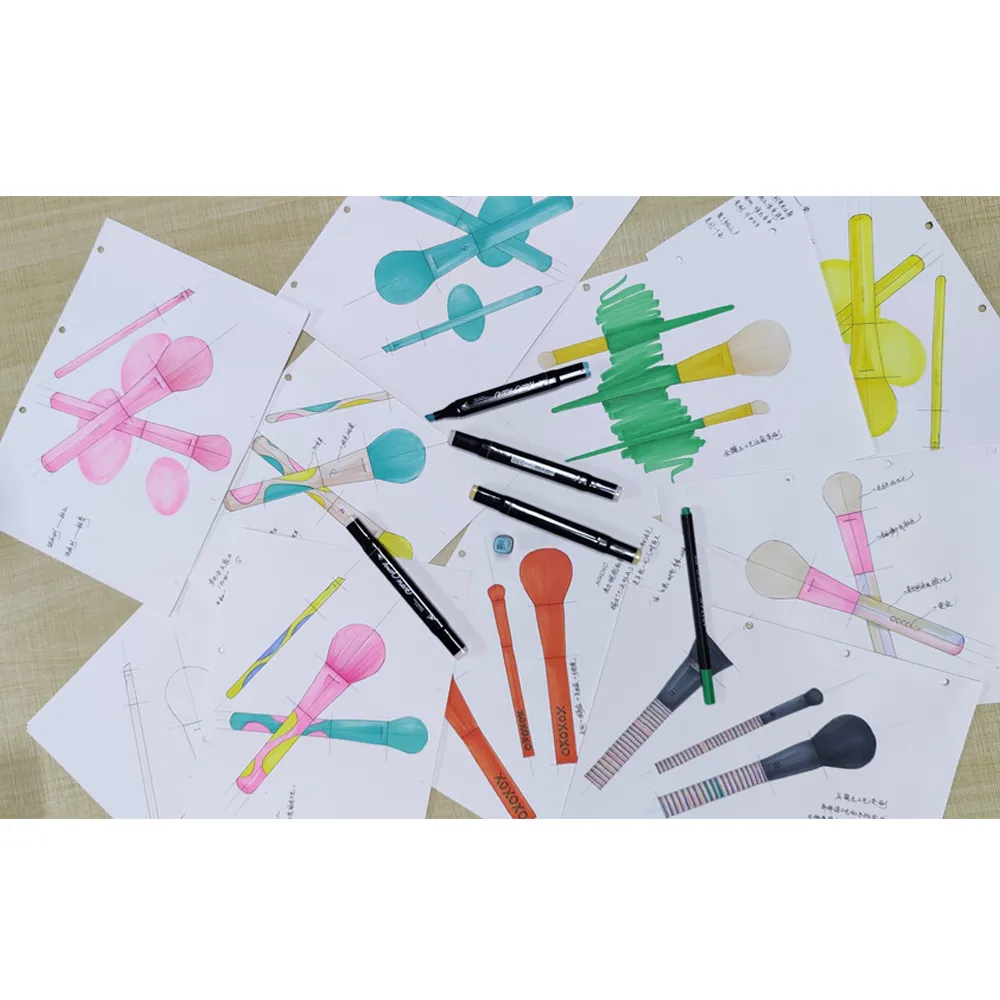
Custom Shape, Size and Brush Density Can they develop new brush shapes based on your design drawing? Some factories only sell stock brushes and do not support custom mold development.
Logo, Color and Surface Finish Options Check if they support Pantone color matching, laser engraving, UV printing, hot stamping and different handle coatings.
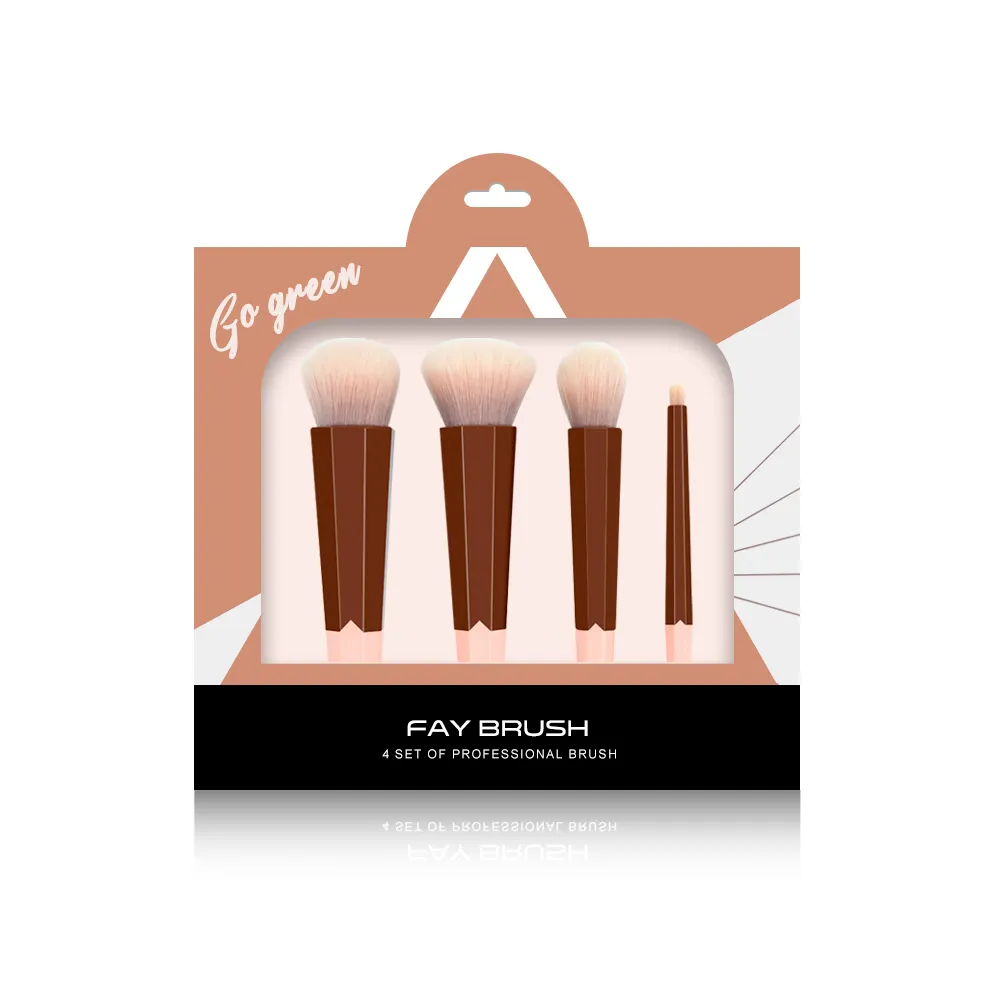
Custom Packaging Solutions Many buyers need matched gift boxes, canvas pouches or retail packaging. One-stop packaging service saves your communication cost.
5. Check MOQ, Pricing, Lead Time and Commercial Terms
Understand MOQ Differences Stock brushes usually have low MOQ; custom molds and new tooling require higher MOQ. Flexible manufacturers support small trial orders for new brands.
Break Down the Full Cost Do not only compare unit price. Confirm sample cost, mold cost, logo charge, packaging cost and shipping cost. Low unit price often comes with hidden defects.
Confirm Sample and Production Lead Time Standard sample time is 7–10 working days; mass production normally takes 30–45 days based on order quantity. Reliable manufacturers update production progress regularly.
6. Audit Certifications and Market Compliance
Core Certifications for Makeup Brush Manufacturers ISO9001 quality management, BSCI/SMETA social audit, REACH, SGS material test reports, FSC for wooden handles, vegan and cruelty-free certificates.
Market-Specific Regulatory Documents EU, UK, US and Australia all have different cosmetic accessory safety rules. Non-compliant goods may be detained by customs.
Avoid suppliers who cannot provide verifiable audit reports Only pictures of certificates are not enough; request full test reports with batch numbers.
7. Test Communication, After-sales and Problem-solving Ability
Response speed and technical understanding A professional supplier can answer technical questions about shedding, material alternatives and surface finishing quickly. Slow or vague replies are red flags.
Defect handling policy Clarify what will happen if bulk goods do not match the approved sample: rework, remake or compensation.
Long-term partnership mindset You want a manufacturer that grows with your brand, not just a one-time vendor.
8. Run Sample Test and Small Trial Order Before Large Shipment
Conduct multi-angle sample testing Test softness, shedding, powder pickup, water resistance, color fastness after washing.
Place a pilot order A small trial batch helps you verify QC consistency, packing quality and shipping coordination before big orders.
Final Checklist to Select a Makeup Brush Manufacturer
- ✅ Own factory, not pure trading company
- ✅ Stable material supply and clear QC testing standards
- ✅ Support your required customization (logo, shape, finish, packaging)
- ✅ MOQ, price and lead time fit your business plan
- ✅ Complete compliance certificates for your target sales region
- ✅ Transparent communication and clear after-sales policy
- ✅ Consistent sample performance with low shedding
Conclusion
Choosing a makeup brush manufacturer is not just about picking the lowest price. It is about finding a stable, transparent and capable supply chain partner that protects your brand reputation. If you are looking for an OEM makeup brush manufacturer for your private label project, welcome to contact www.faybrush.com for samples and quotation. You can also discover more cosmetic accessory resources at www.faymakeup.com.
FAQ
Q: What is a good MOQ for custom makeup brushes?
A: Many reliable OEM factories offer 500–1000 pcs per style for logo and color customization. New custom molds usually require higher MOQ.
Q: Why do makeup brushes shed?
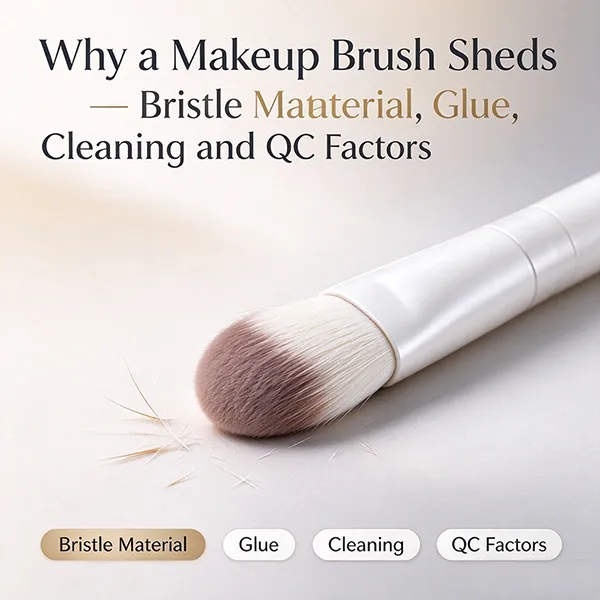
A: Shedding is mainly caused by poor bristle glue, loose ferrule crimping or low-quality raw fibers. You can read our blog What Actually Decides Whether a Makeup Brush Sheds to learn more.
Q: What certifications should a makeup brush supplier have for EU sales?
A: REACH, SGS heavy metal test report, ISO9001 and BSCI are widely required for EU retail channels.
What Actually Decides Whether a Makeup Brush Sheds
Related Article

CONTACT US

+86 769 81900169

sales@faybrush.com

#172 Huancun Rd, Jinxiaotang Zhutang, Fenggang, Dongguan, 523681 China